The Archive will be closed from Monday 10 to Thurs 13 August for essential building works - we apologise for any inconvenience caused.
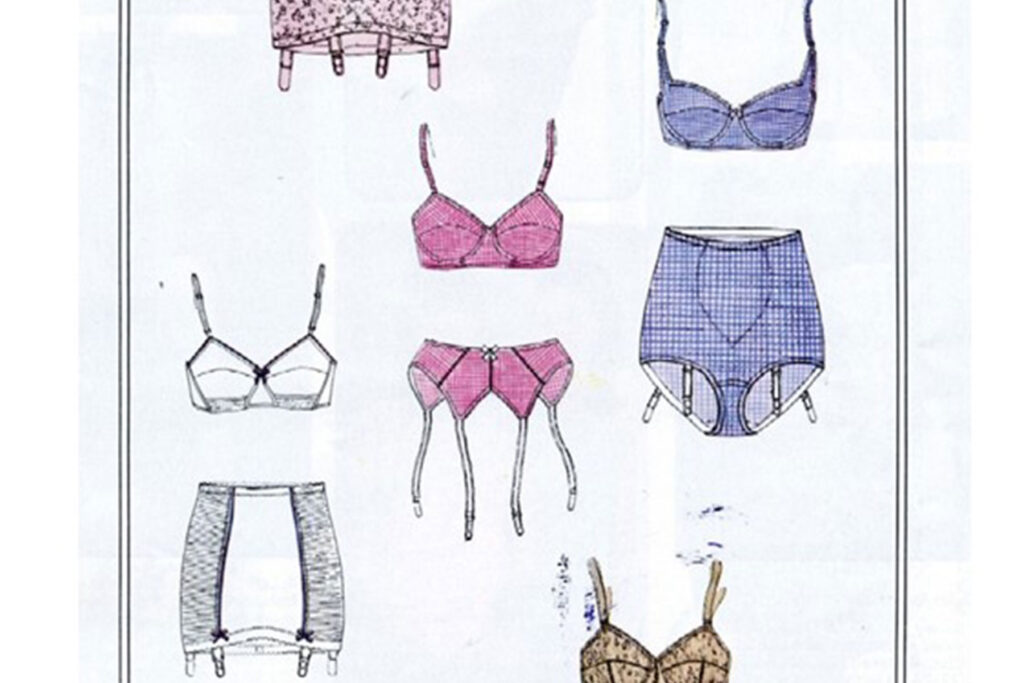
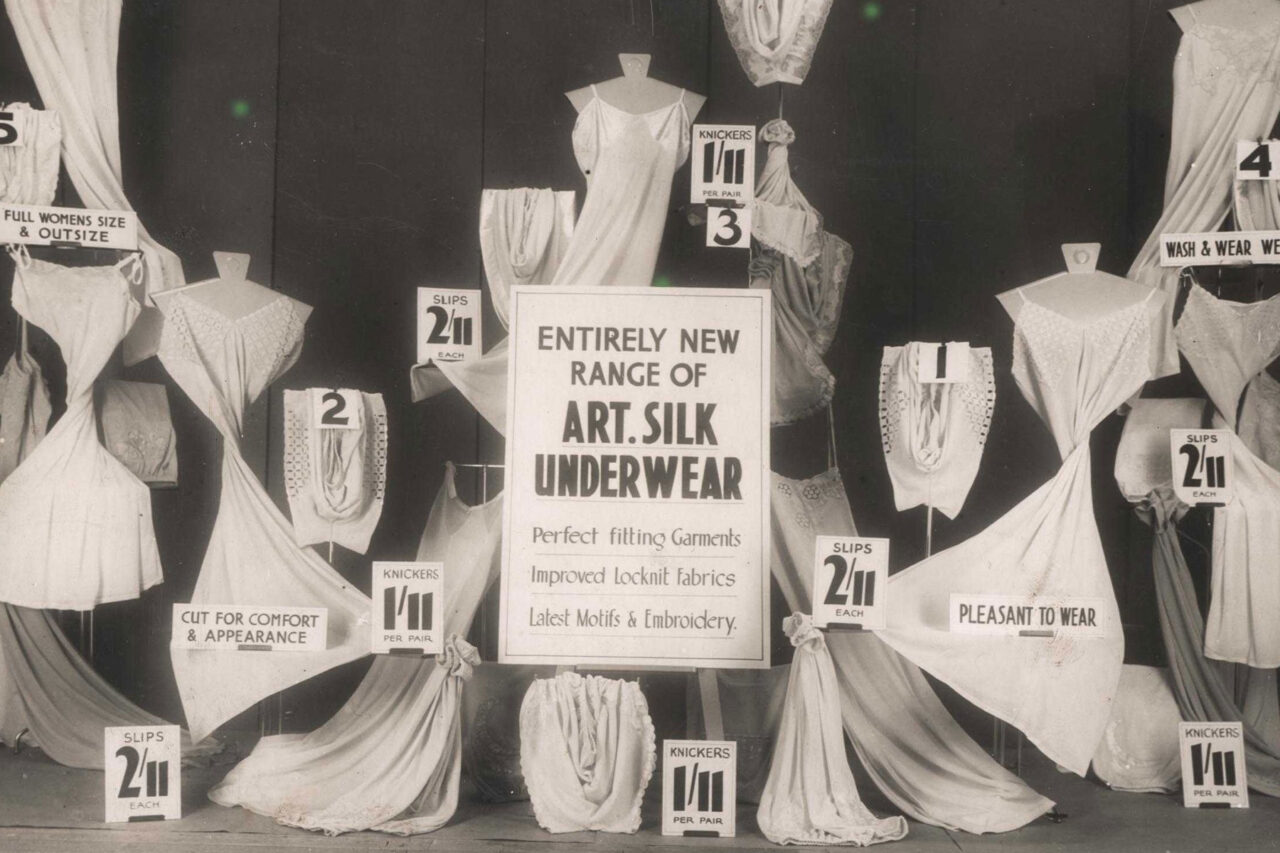
We opened our Drapery department which included clothing and lingerie. Early ranges included garters, directoire knickers, sanitary belts and free-run bodices.
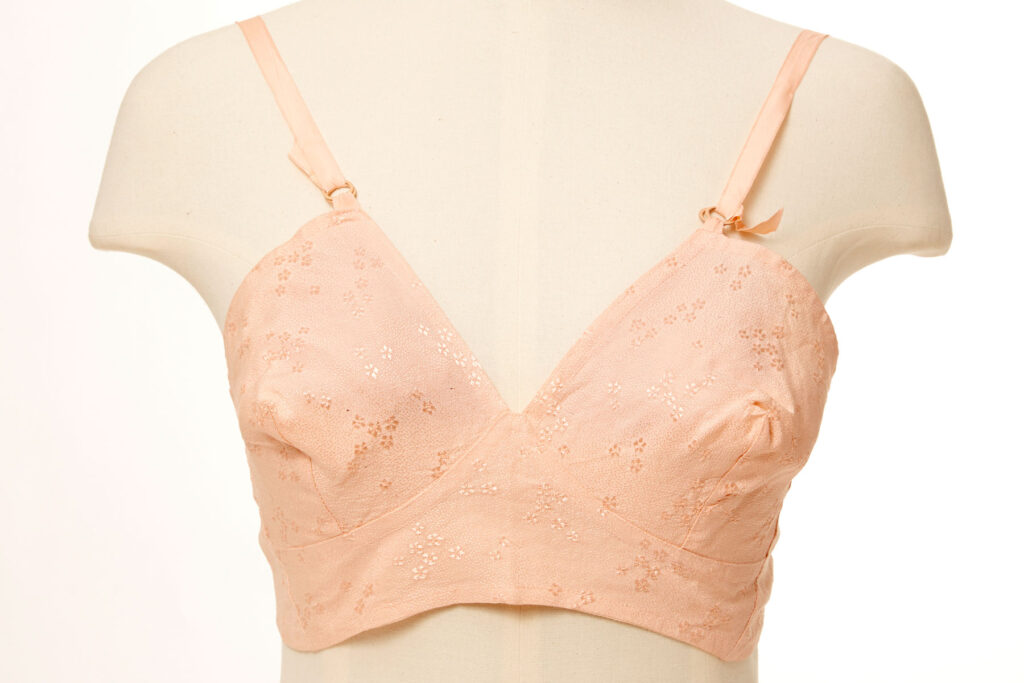
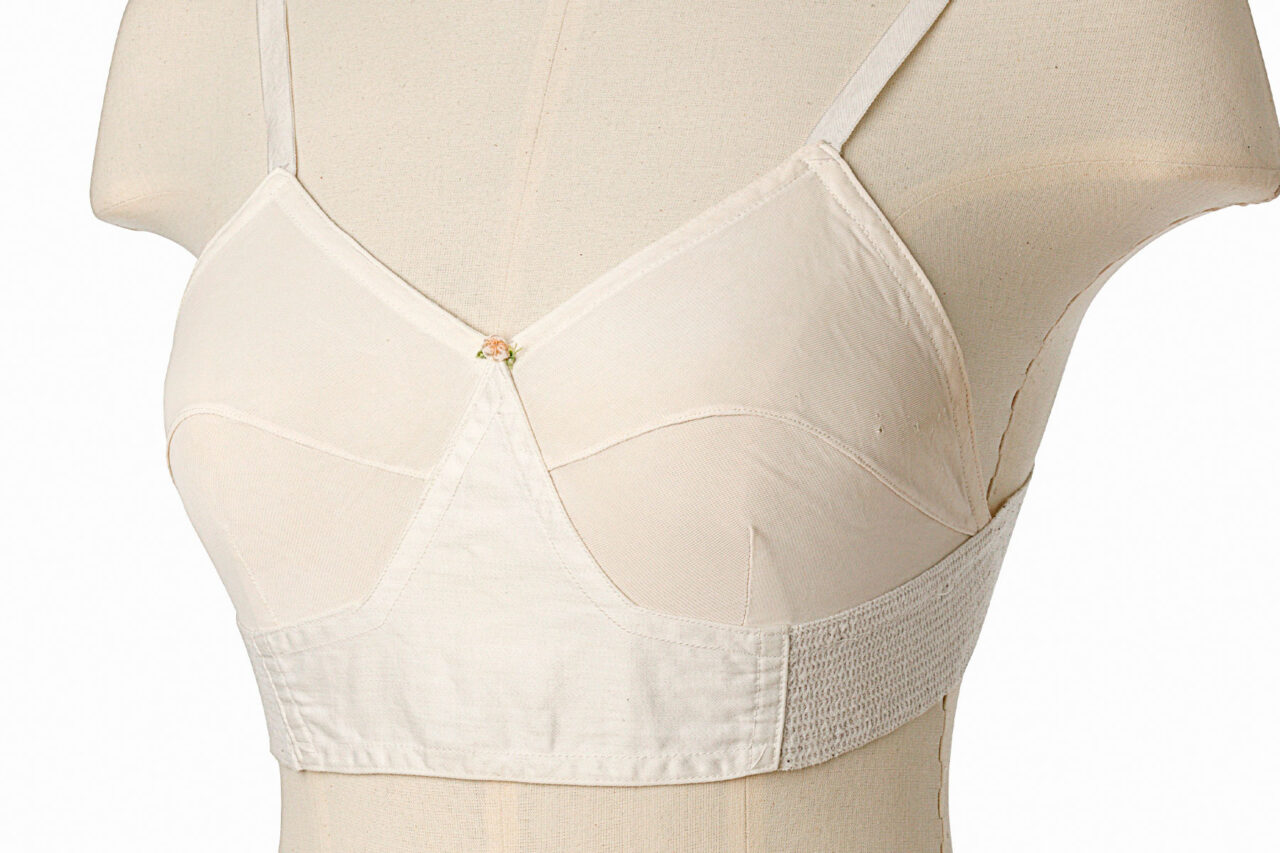
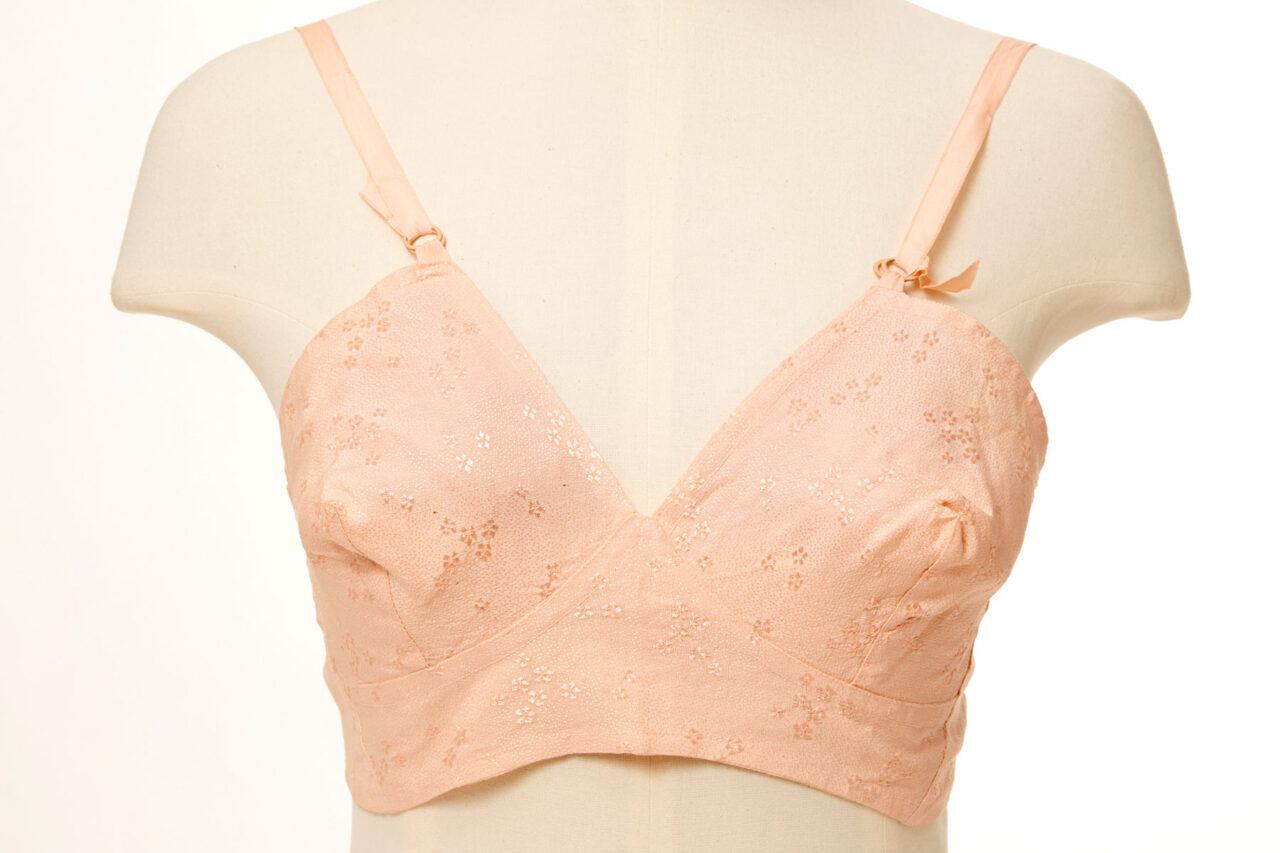
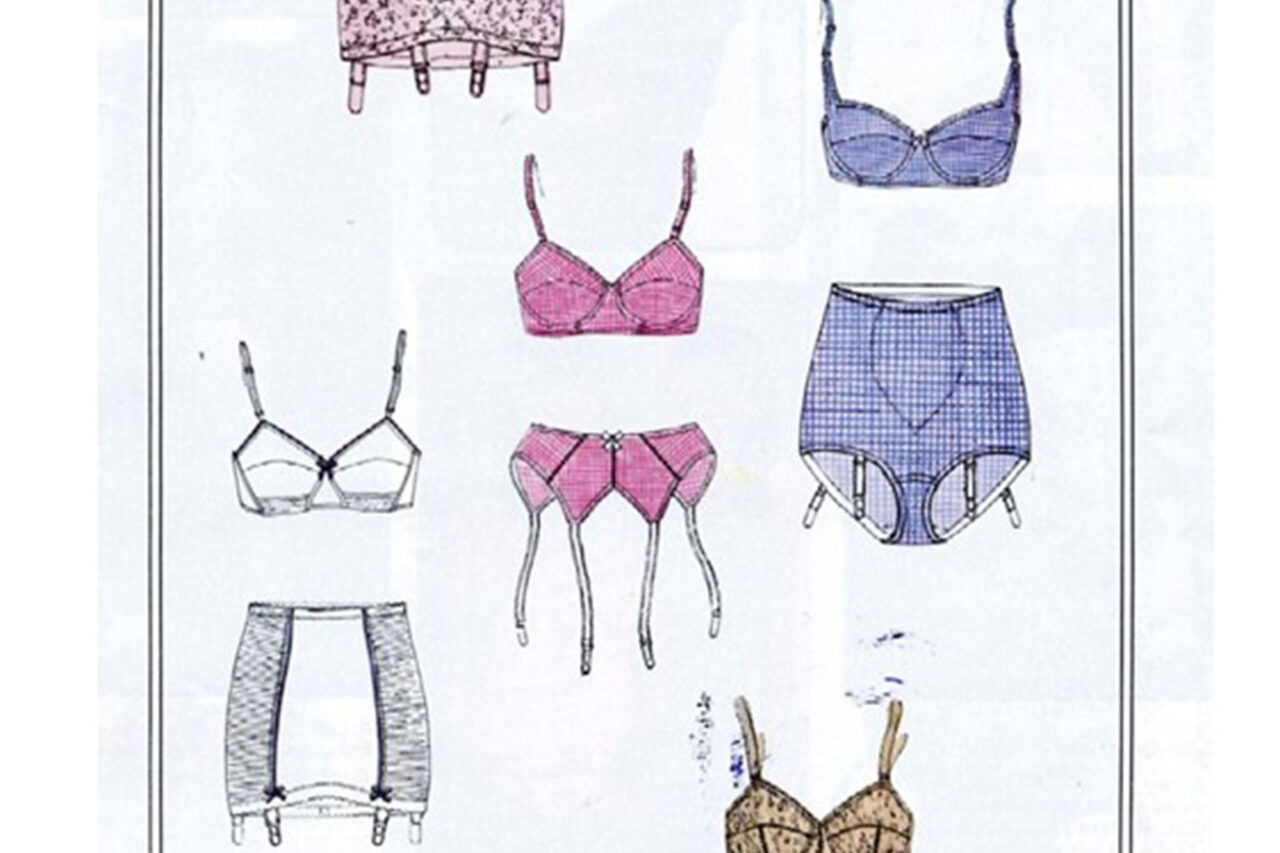
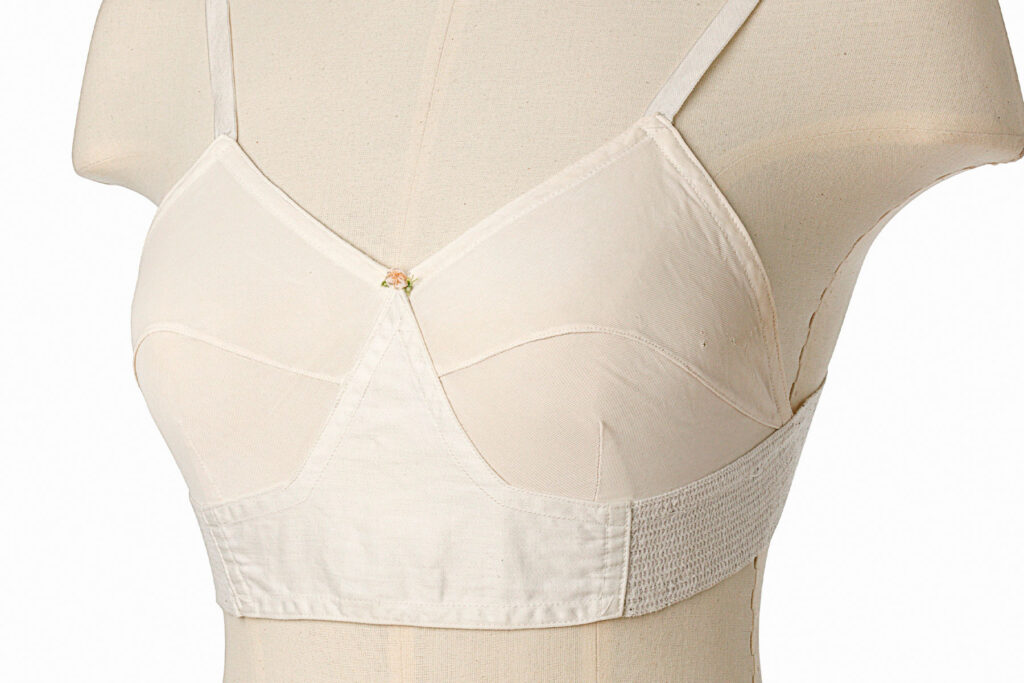
The oldest bra in the archive collection dates from the late 1920s – it offered light support whilst giving the wearer a smooth silhouette.
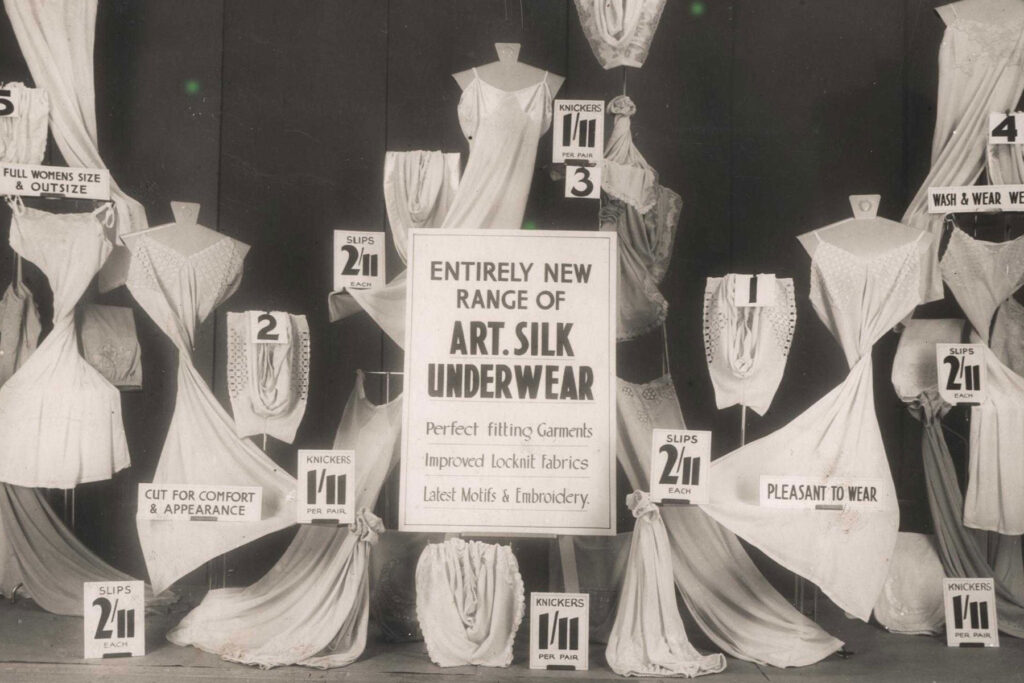
The most popular fabric for lingerie during the 1930s and 1940s was artificial silk, or rayon as it was known – an early synthetic fibre made with cellulose from wood pulp. The fabric was seen as a more affordable alternative to silk, and a more luxurious option than cotton, linen or wool.
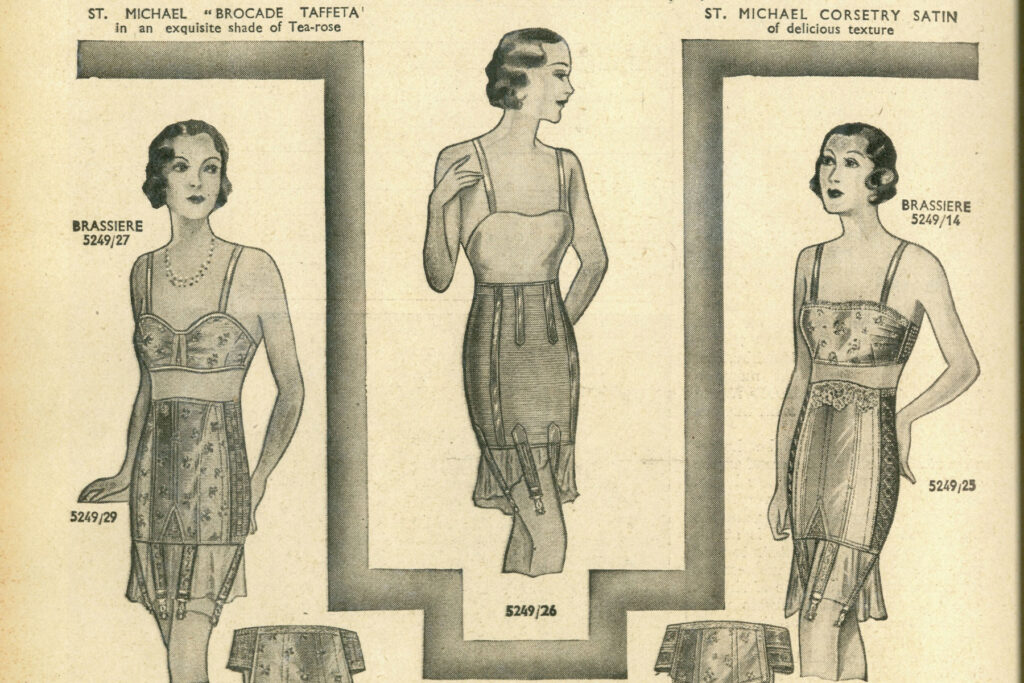
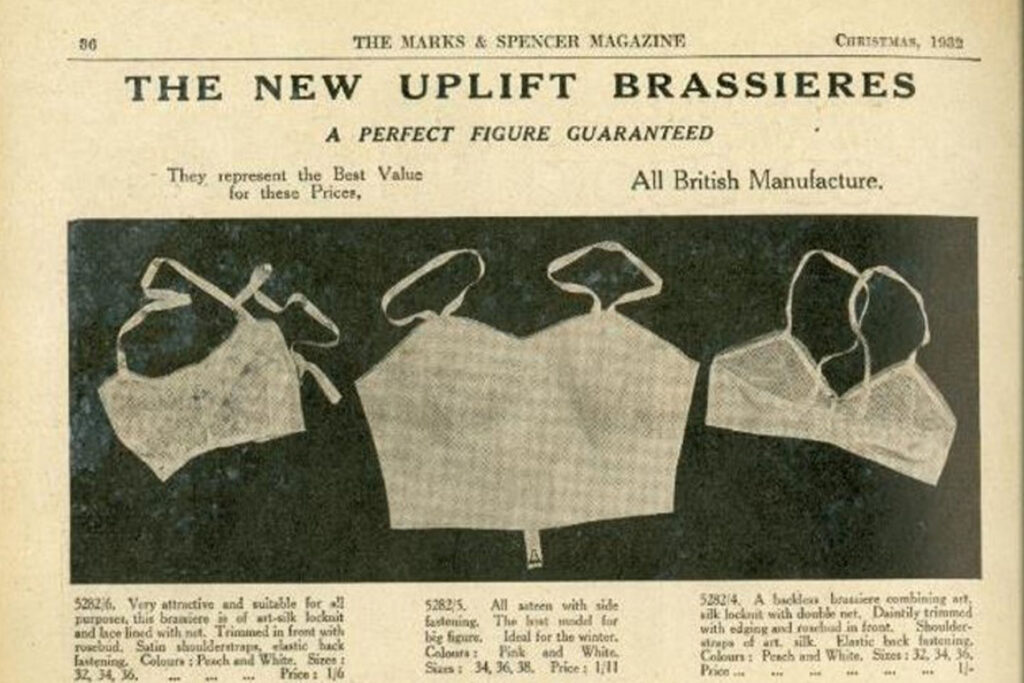
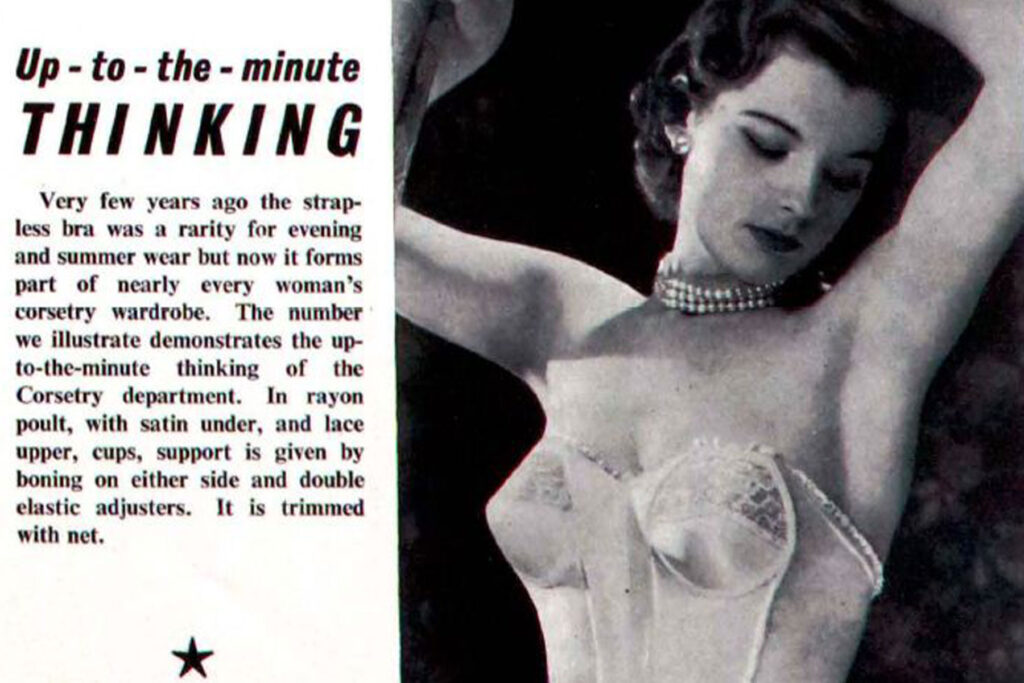
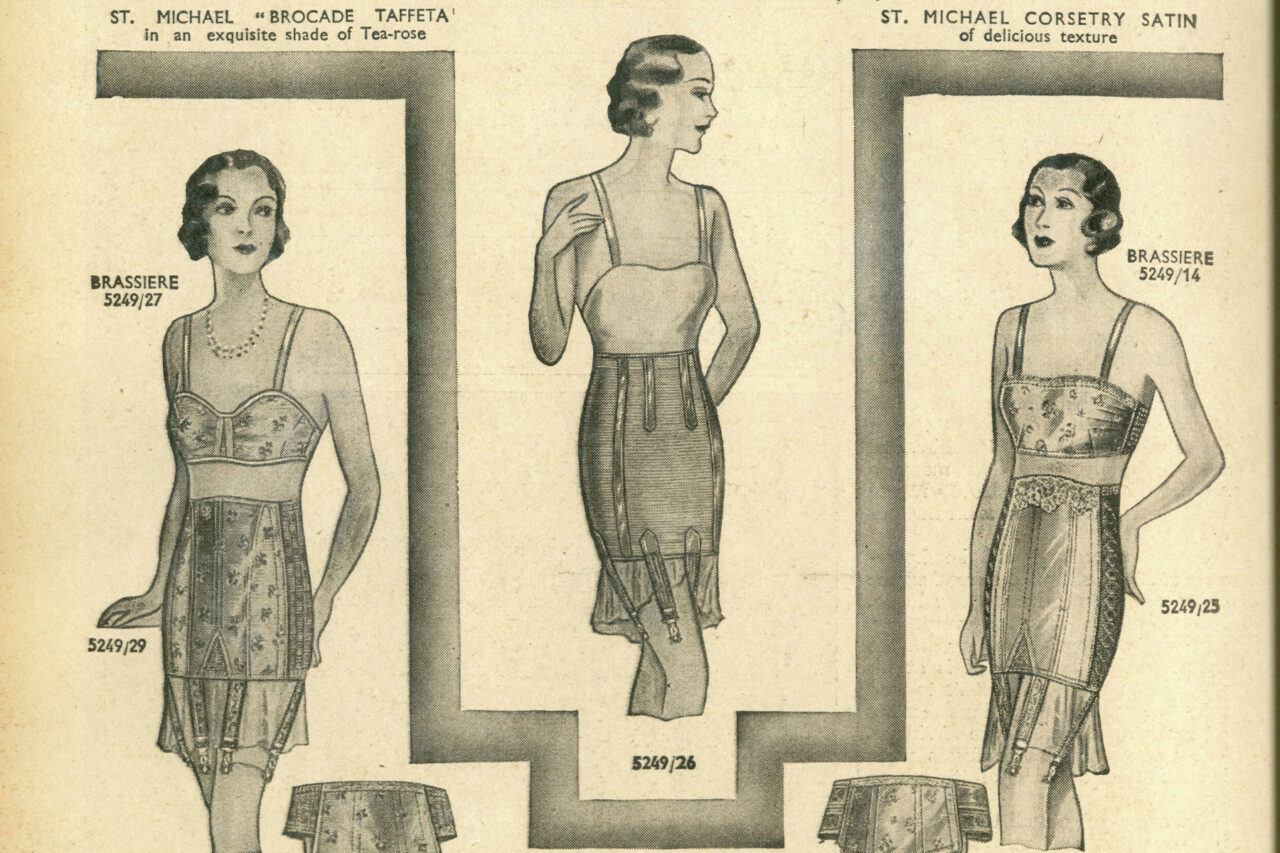
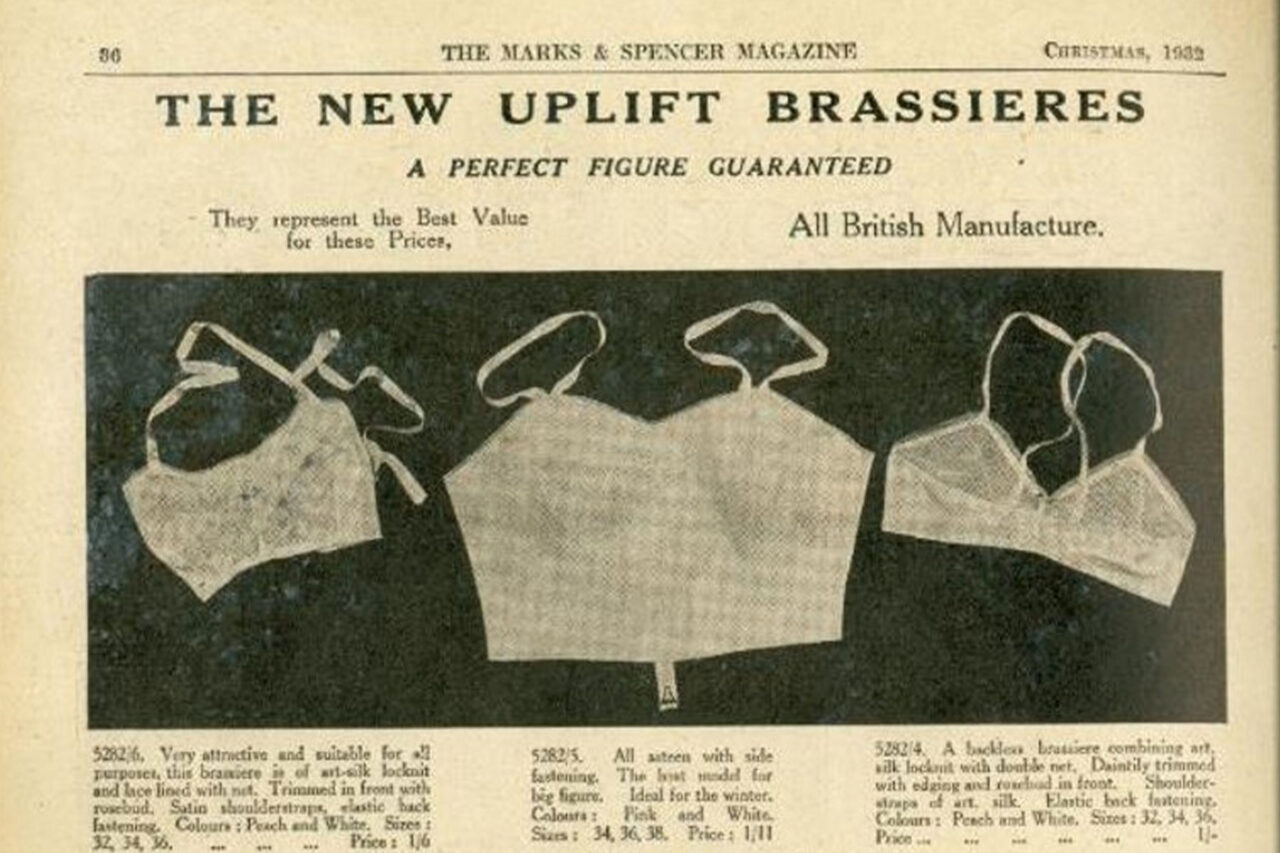
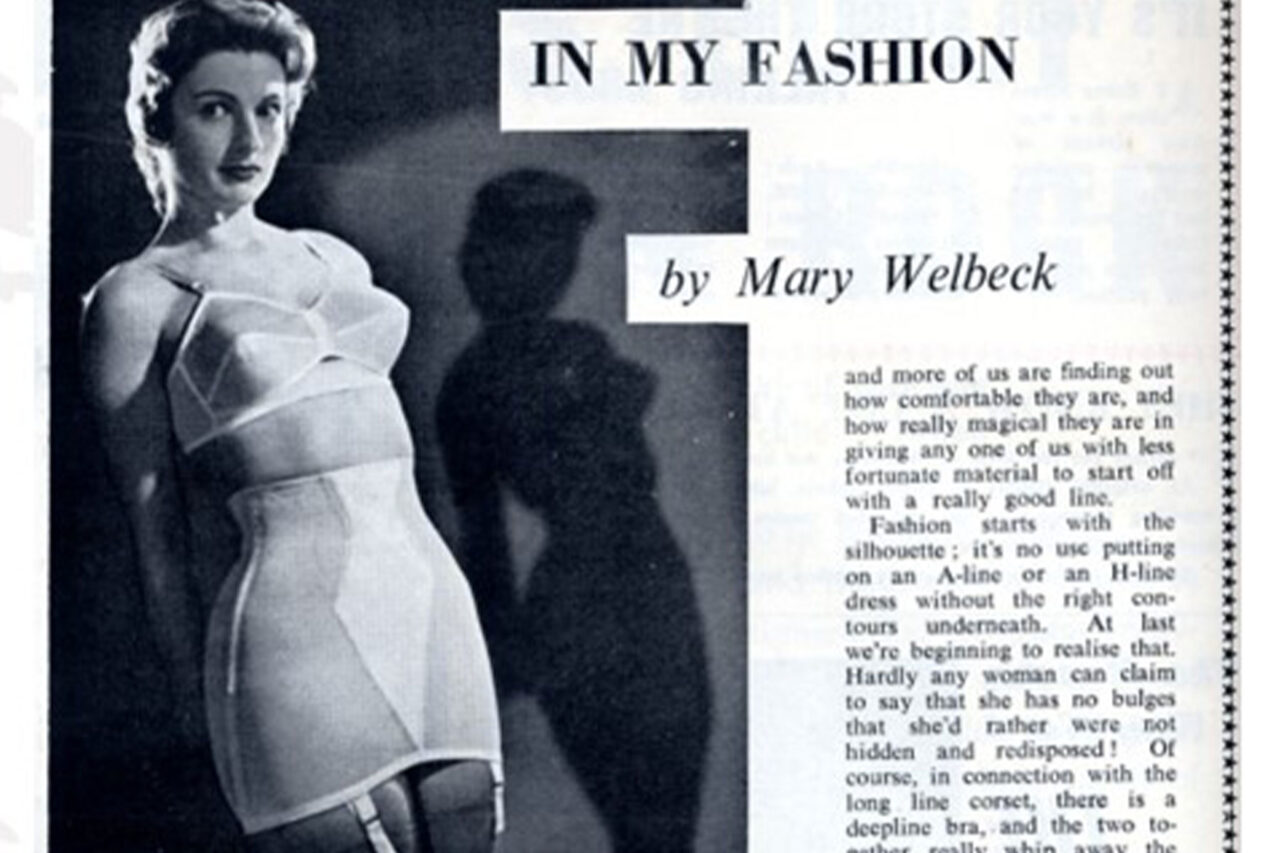
We sold corsetry and brassieres advertised with the slogan, ‘A perfect figure guaranteed’. Hook-sided girdles gave ‘that slim silhouette demanded by present fashions’.
Stock control documents show that by 1939 we were selling at least 30 styles of bra – most were available in white or peach, sometimes blue. Styles included ‘rubber reducing brassieres’ and an ‘Outsize’ range.
During the war, austerity measures and the Utility Scheme meant designers had to work harder to continue making attractive yet practical garments.
Many Head Office departments were moved out of London. Both the Corsetry and the Woven Underwear buying departments were relocated to Leicester.
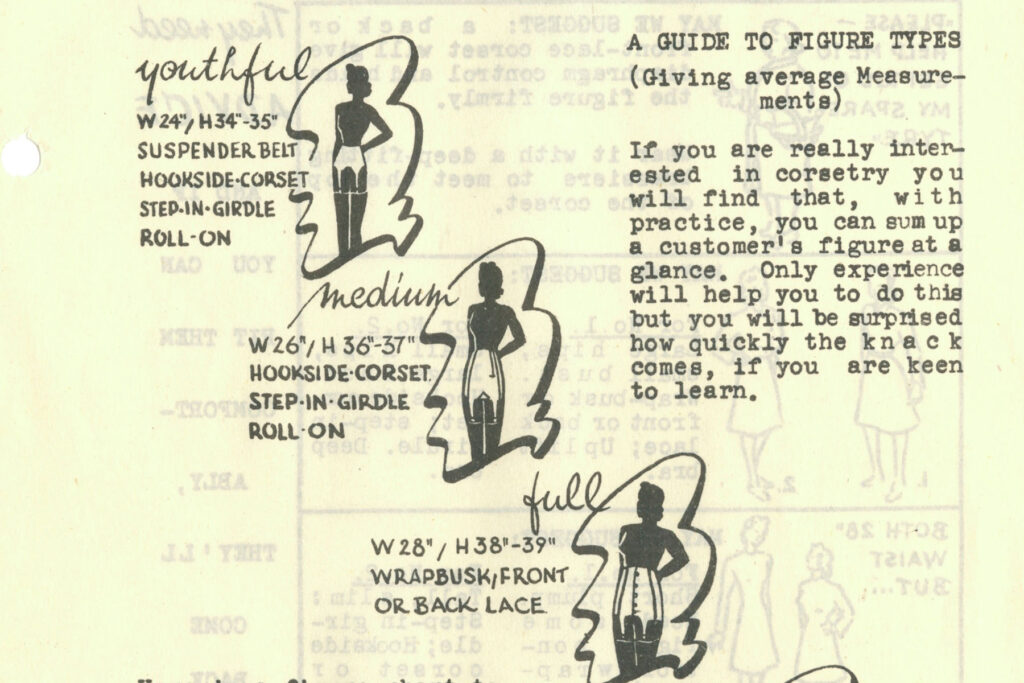
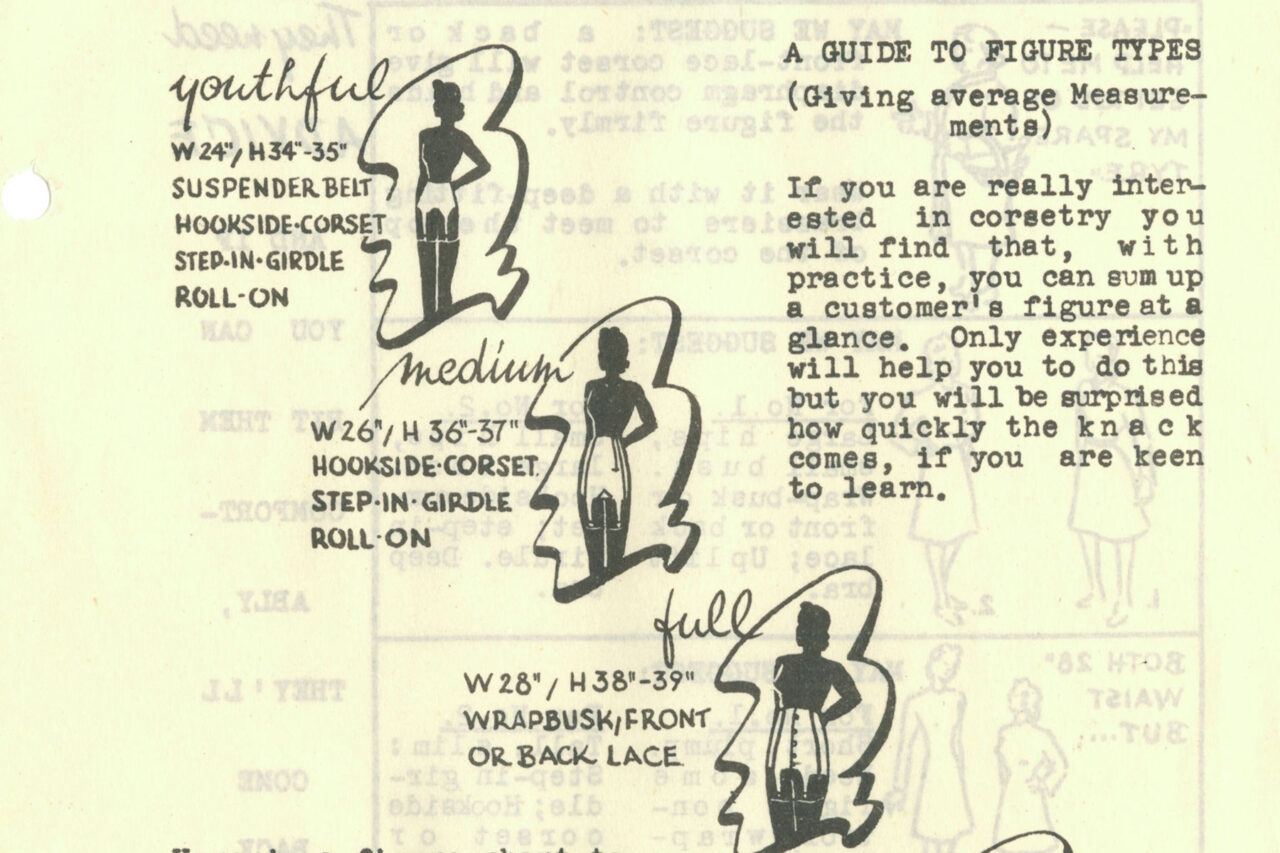
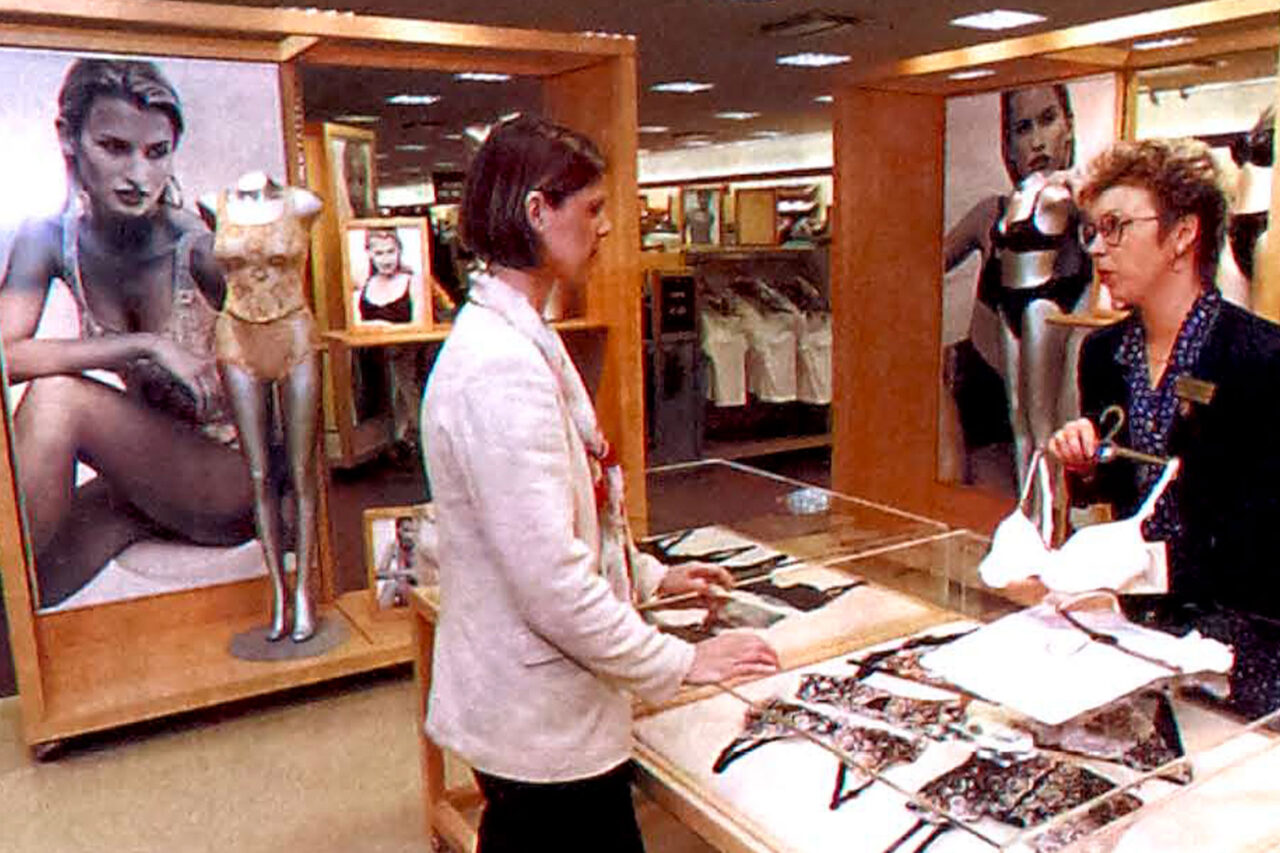
We’ve always helped our customers choose the right size underwear. Before fitting rooms were introduced in the 1970s, sales assistants were trained to measure customers for girdles, bras and corsets on the shop floor.
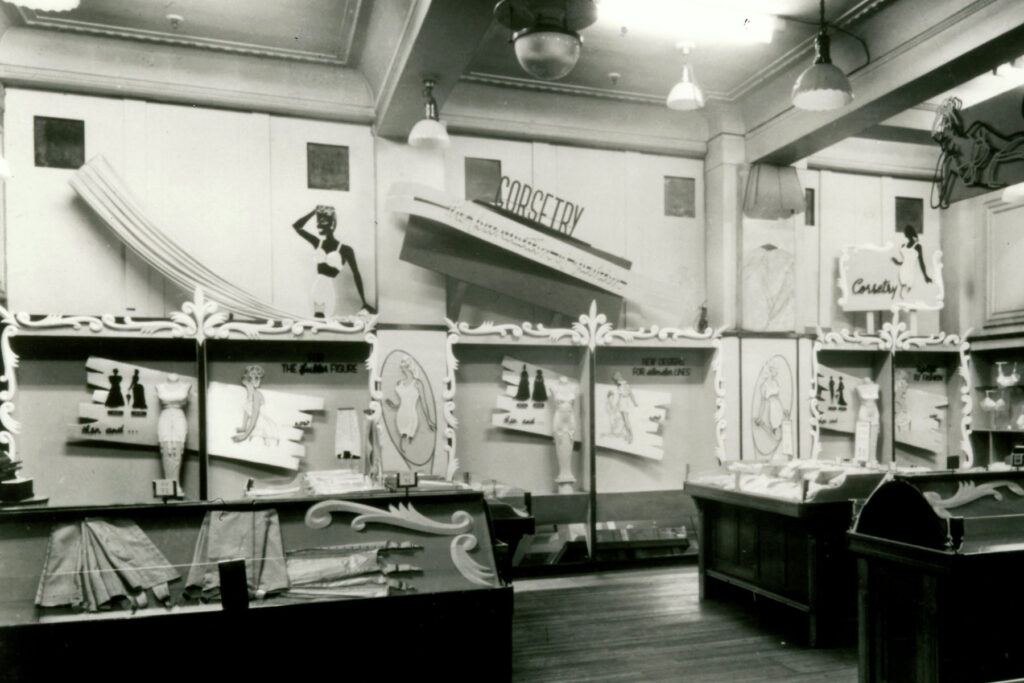
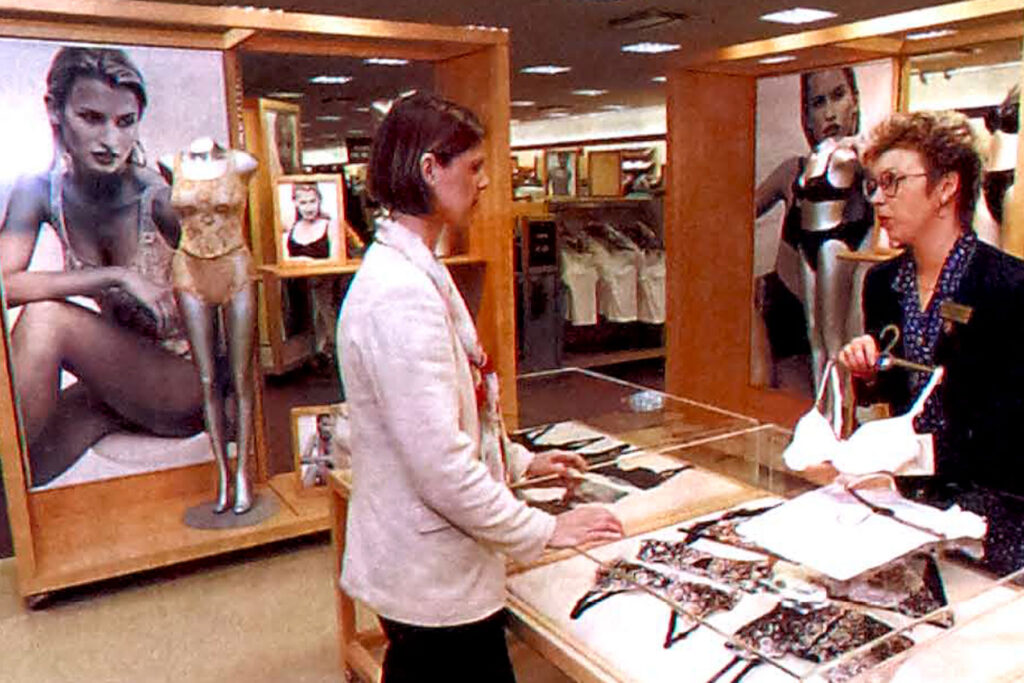
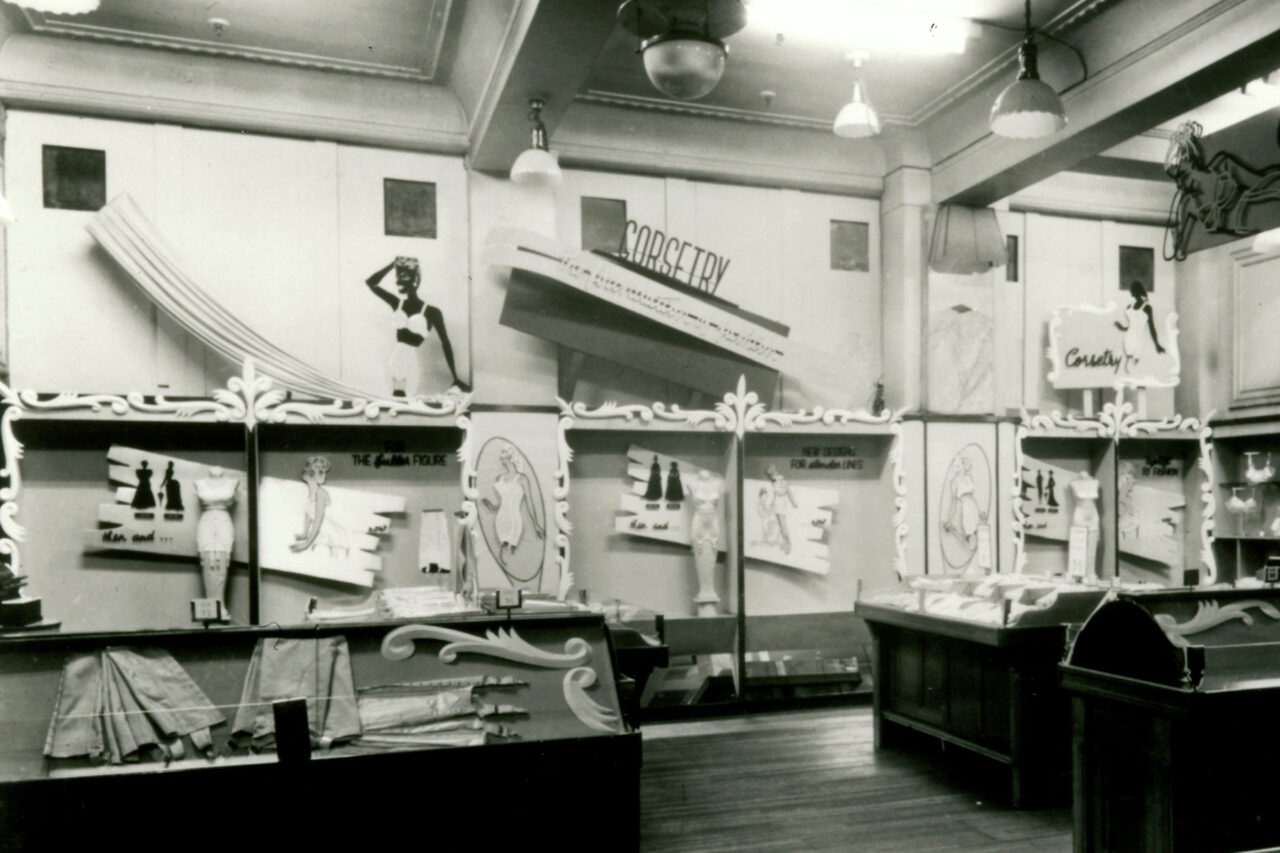
We trialled a new way of selling lingerie to help customers feel more relaxed. At Marble Arch store, specially designed counters were arranged to give a secluded space where customers felt at ease discussing their ‘corseting problems’.
Takings went up as a result of the trial and exchanges reduced.
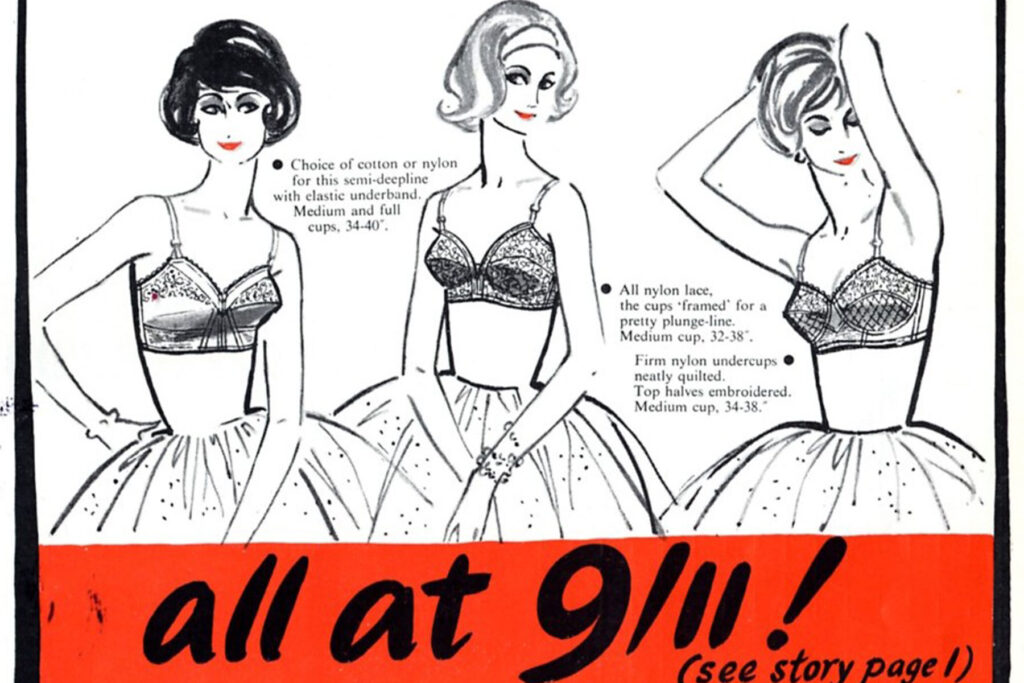
During the 1930s and 1940s, our bras were sold by chest size only. In the early 1950s we began using three cup sizes; small, medium and large, inspired by American retailers. This made it easier for customers to find a bra to fit.
By 1953 we were selling 125,000 brassieres per week.
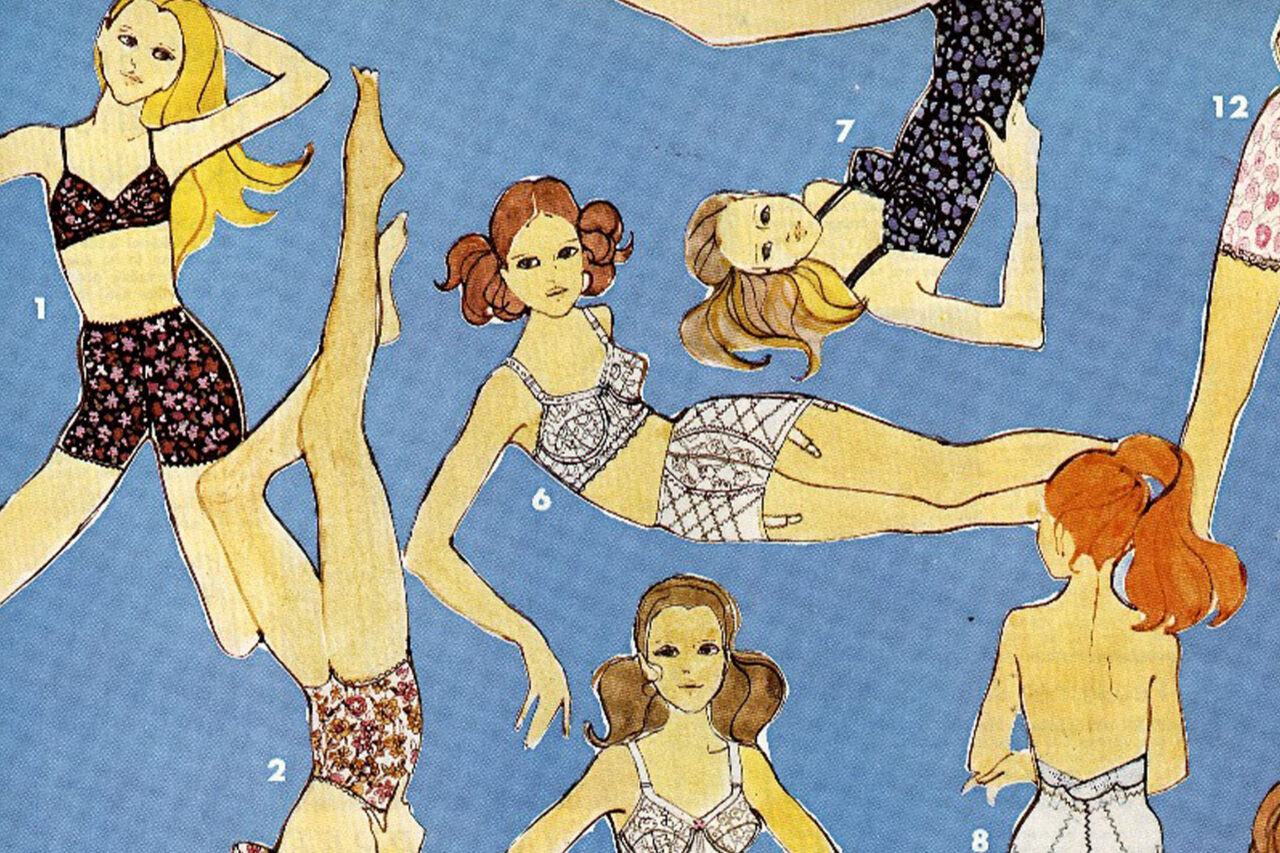
We started selling bras aimed at teenagers and younger women. Light, simple styles such as the brief brassiere were designed for the more ‘youthful figure’.
We saw an increase in customer interest in lingerie in the 1950s. Post-war, customers had more disposable income and would have seen glamourous representations of boudoir style in Hollywood films, influencing their spending habits.
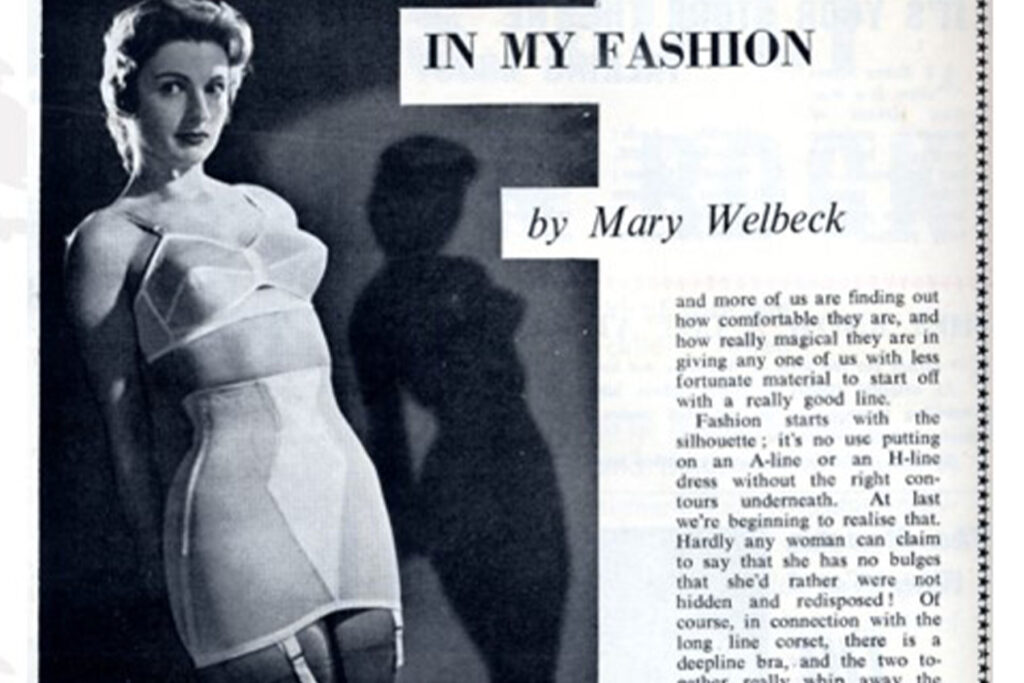
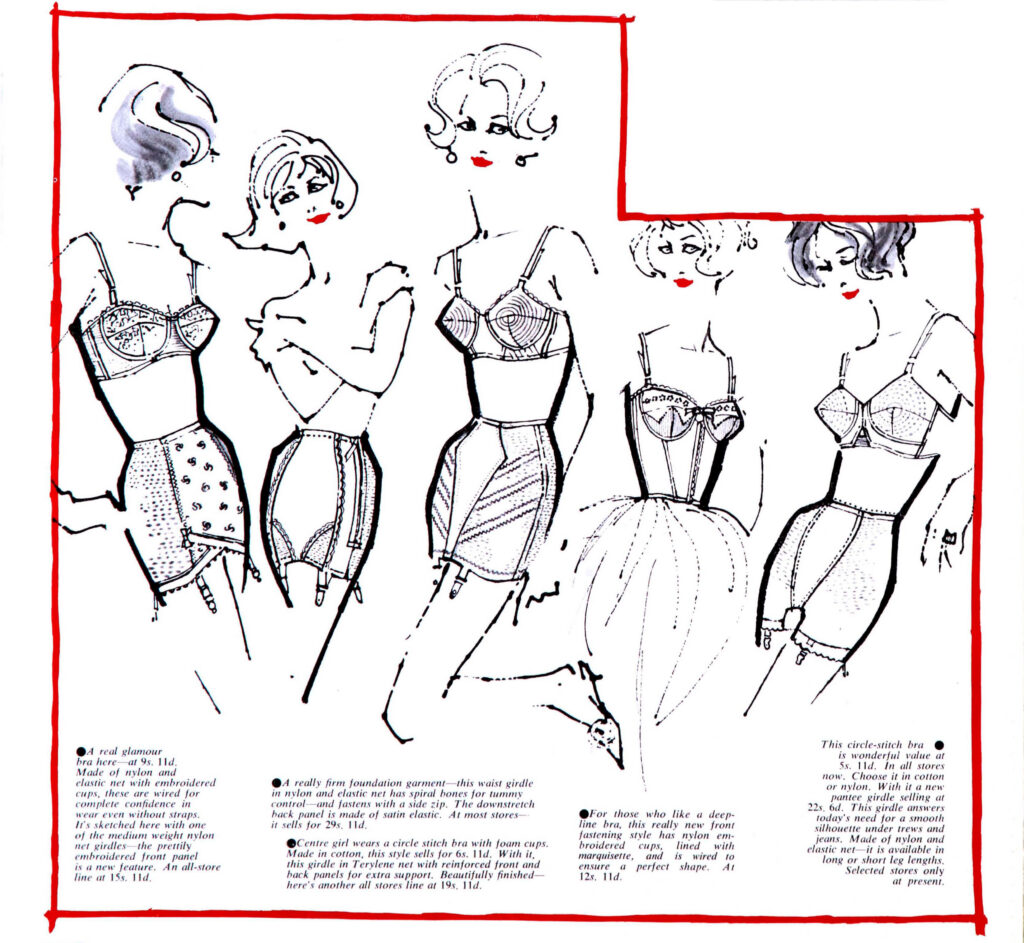
We sold elastic high line girdles, which provided more support, and ensured ‘spare tyres, [and] ungainly bulges are eliminated’. The girdles had very little boning, so were more comfortable than earlier designs.
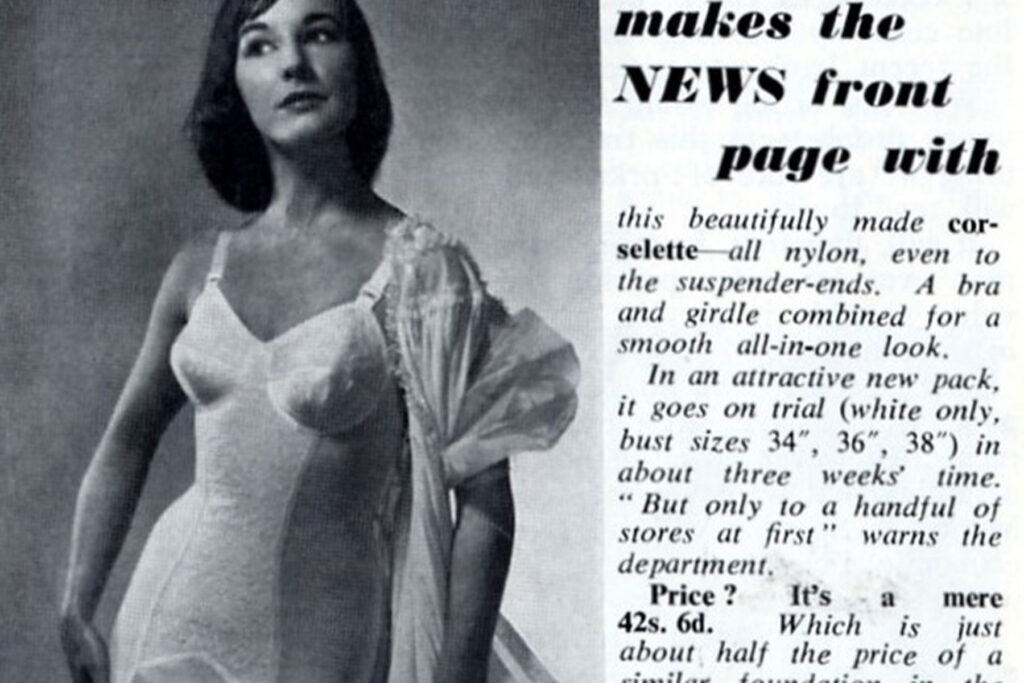
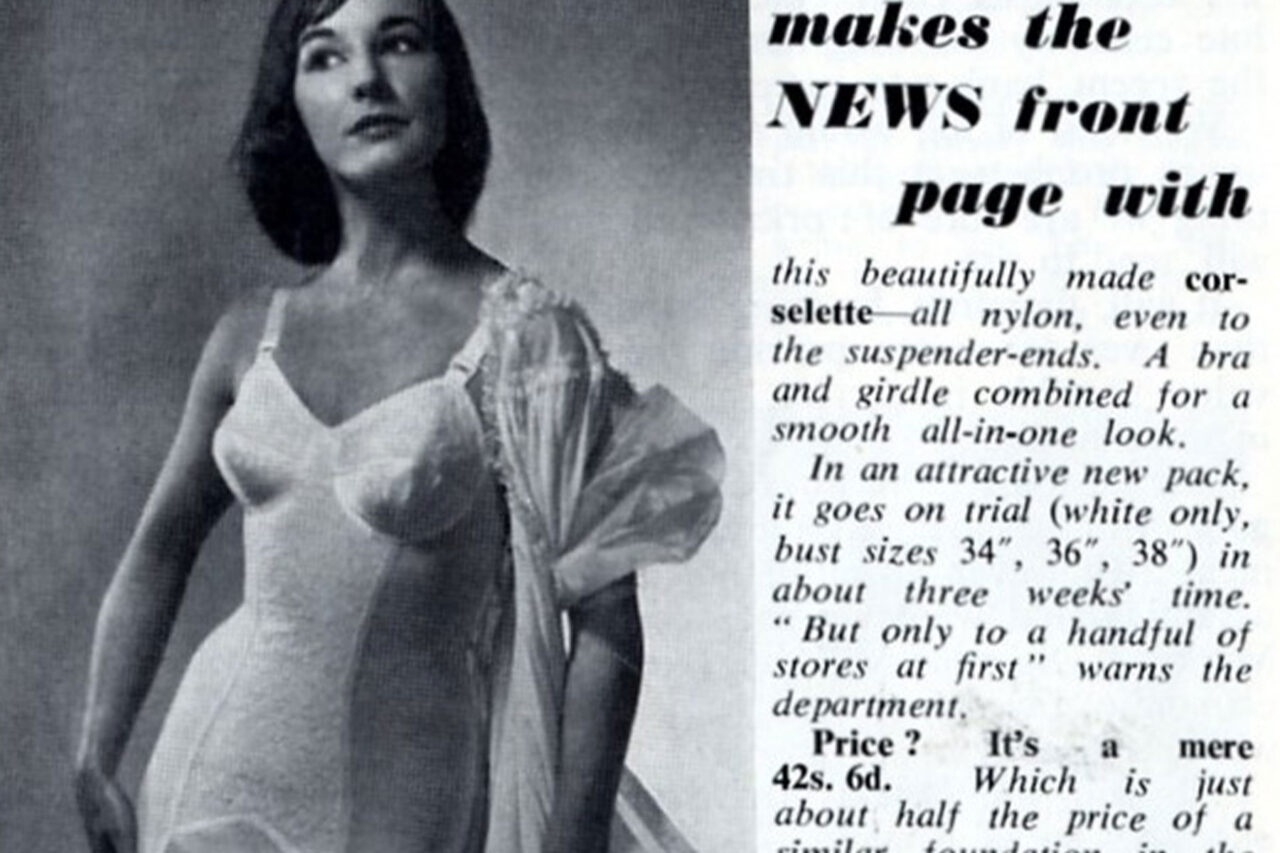
Full body-shaping lingerie was trialled. This all-nylon corselette, which combined a bra and girdle, was popular with customers who wanted more control.
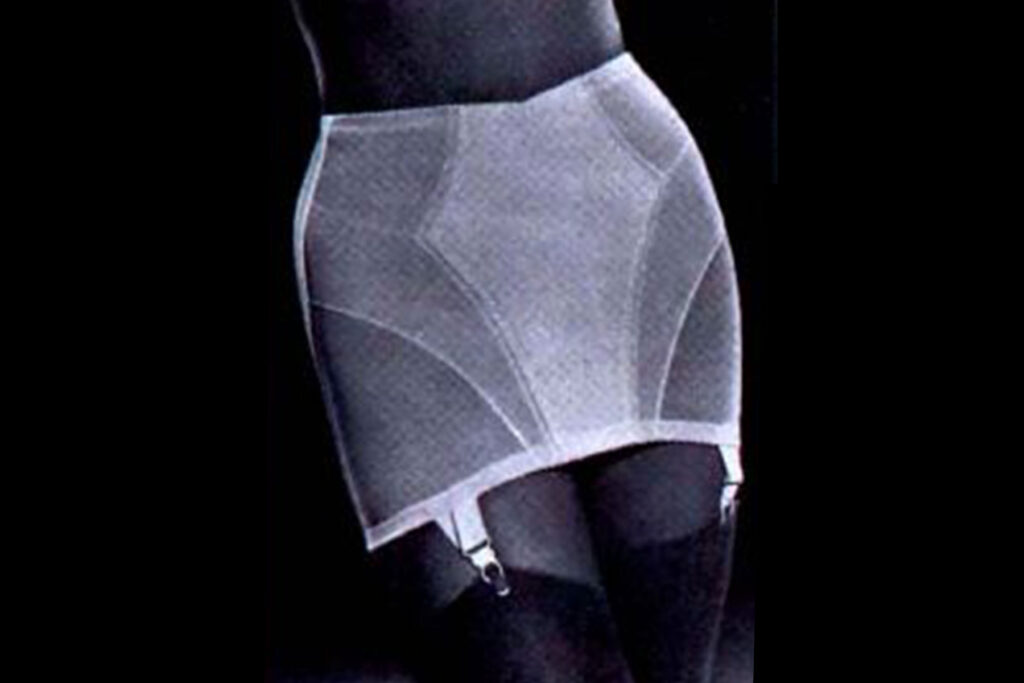
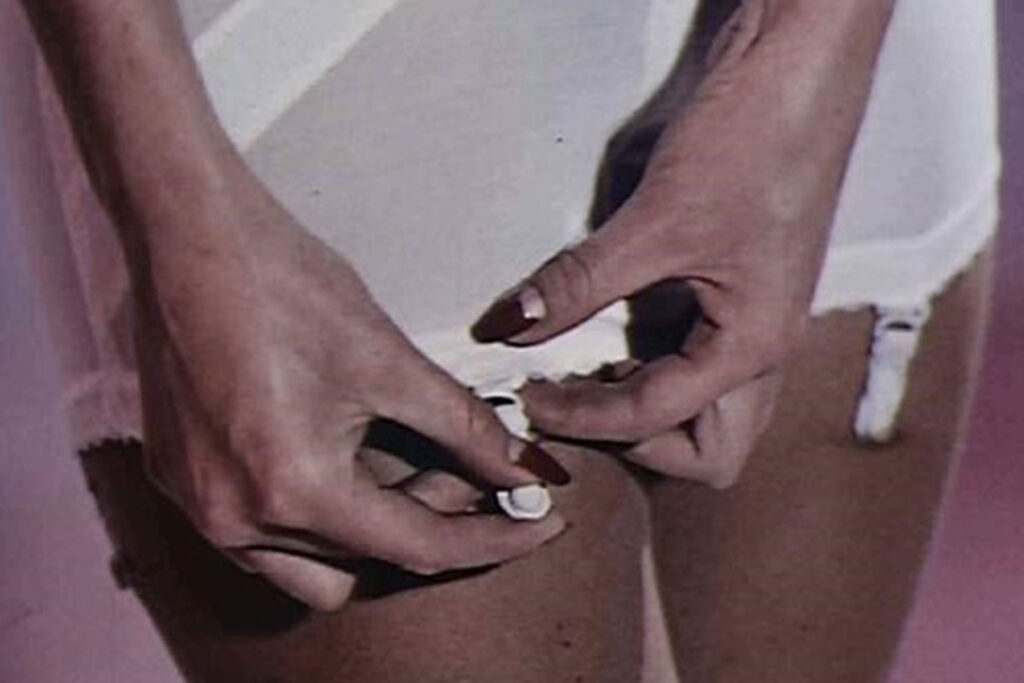
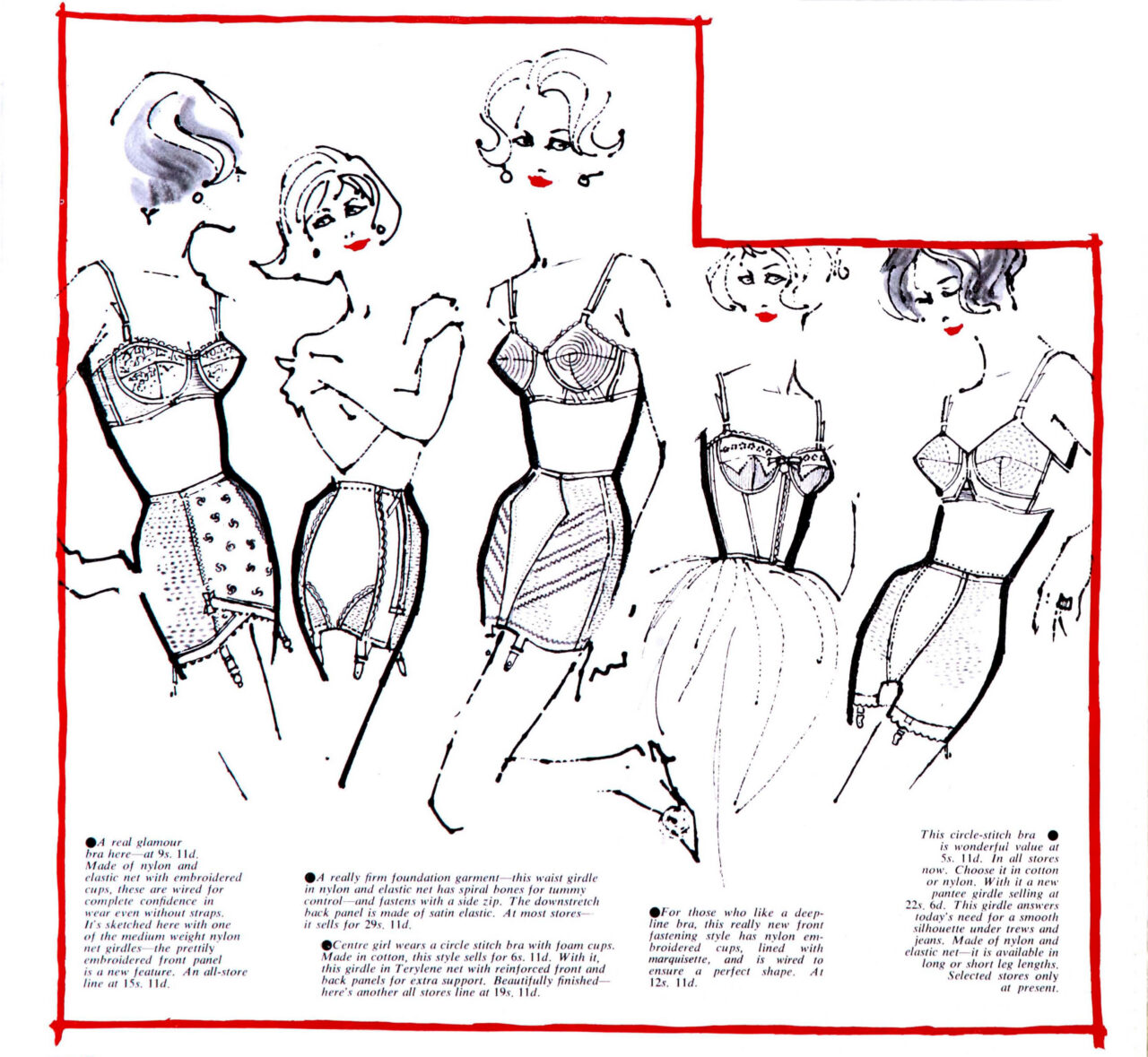
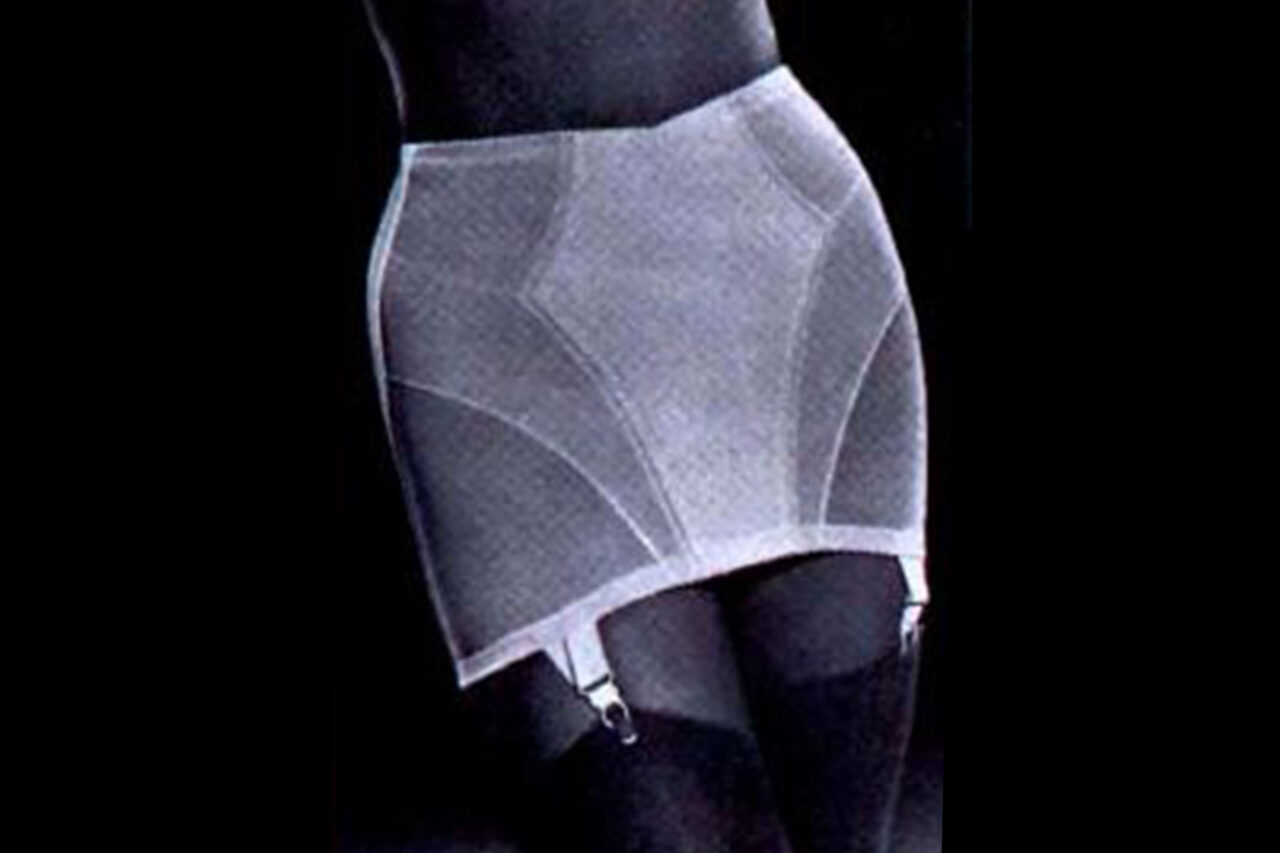
By 1959 we were selling ‘pantee’ girdles – this new garment gave more freedom than a girdle and was suitable for wearing under trousers. Early versions came with two detachable gussets.
Two-way stretch net was developed by firms such as John Heathcoat & Co, an M&S supplier. This new fabric allowed for comfort and ease of movement.
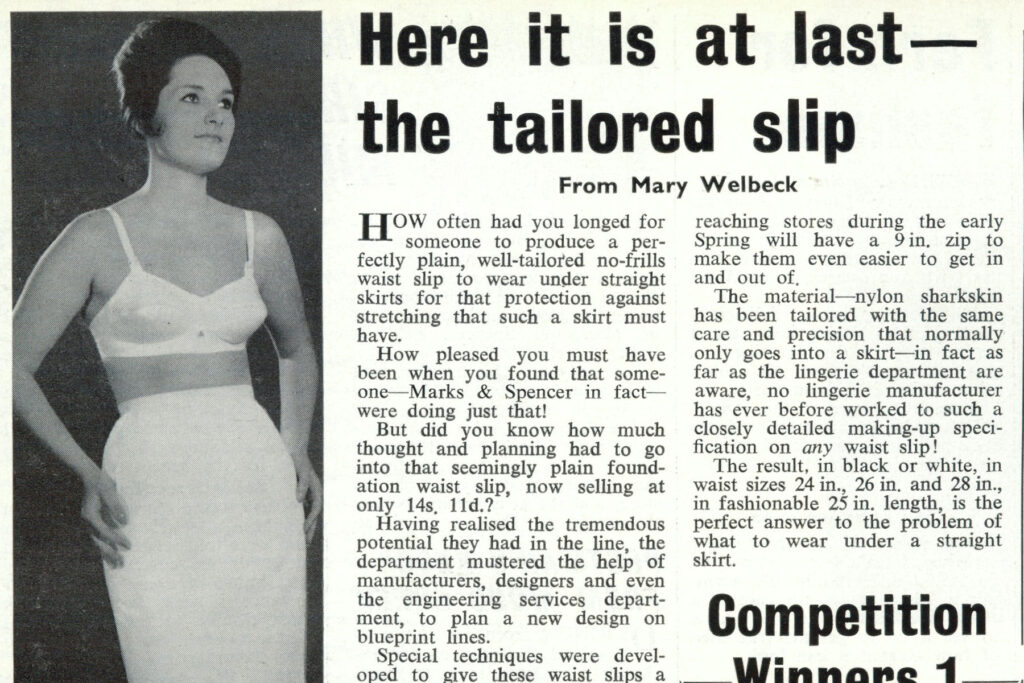
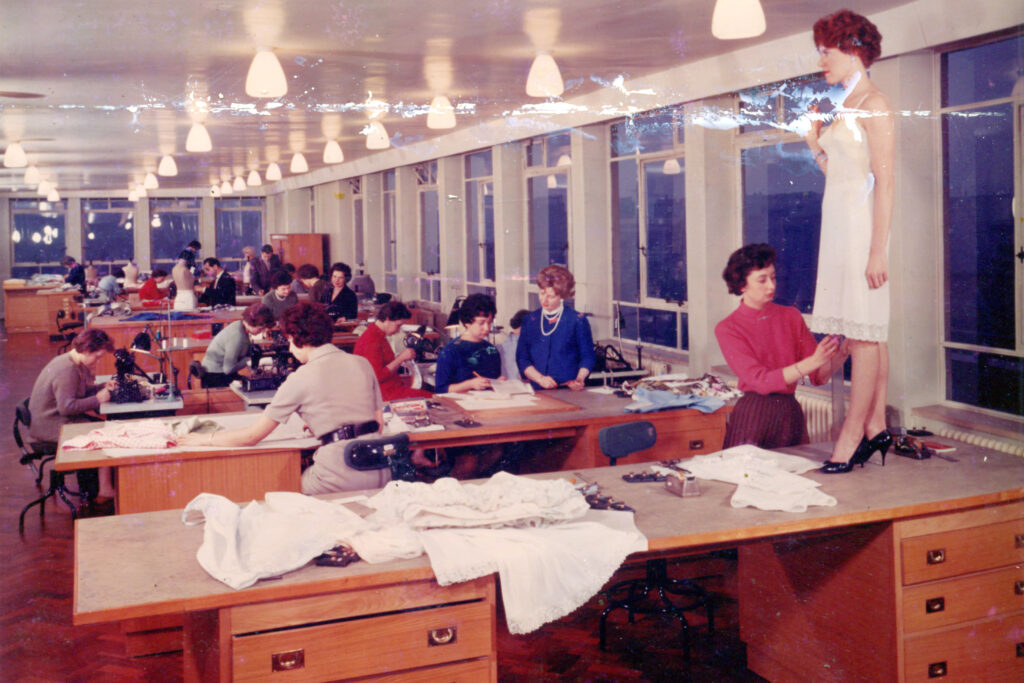
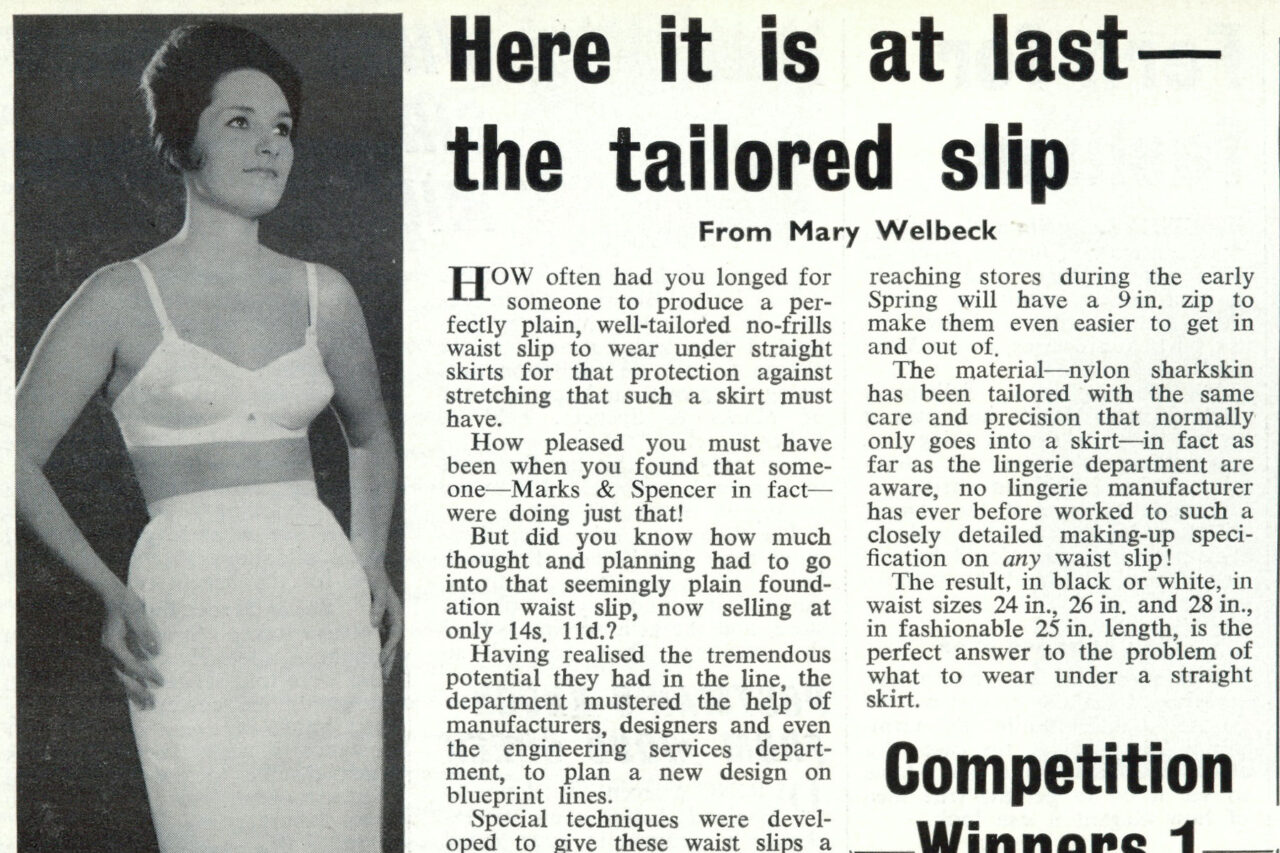
In Spring 1961 we launched our first tailored slip. Special techniques were developed to ensure that the slip took the strain, rather than the skirt.
We first began using Lycra in 1962 when it was introduced into our girdles. It was promoted as soft to touch, easy to wash and light to wear whilst still offering firm control.
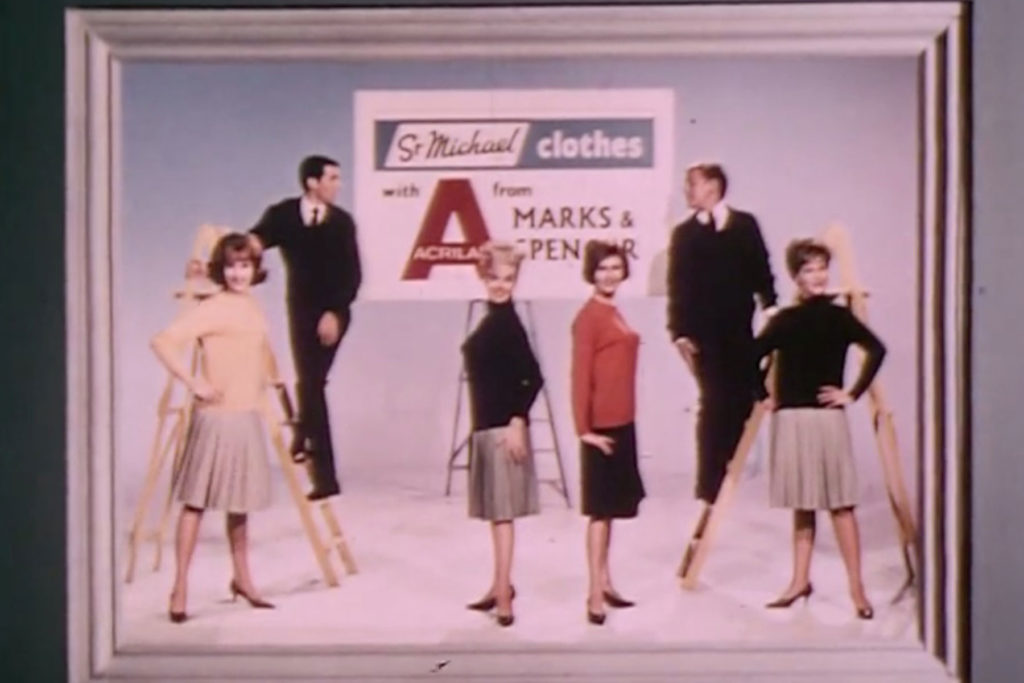
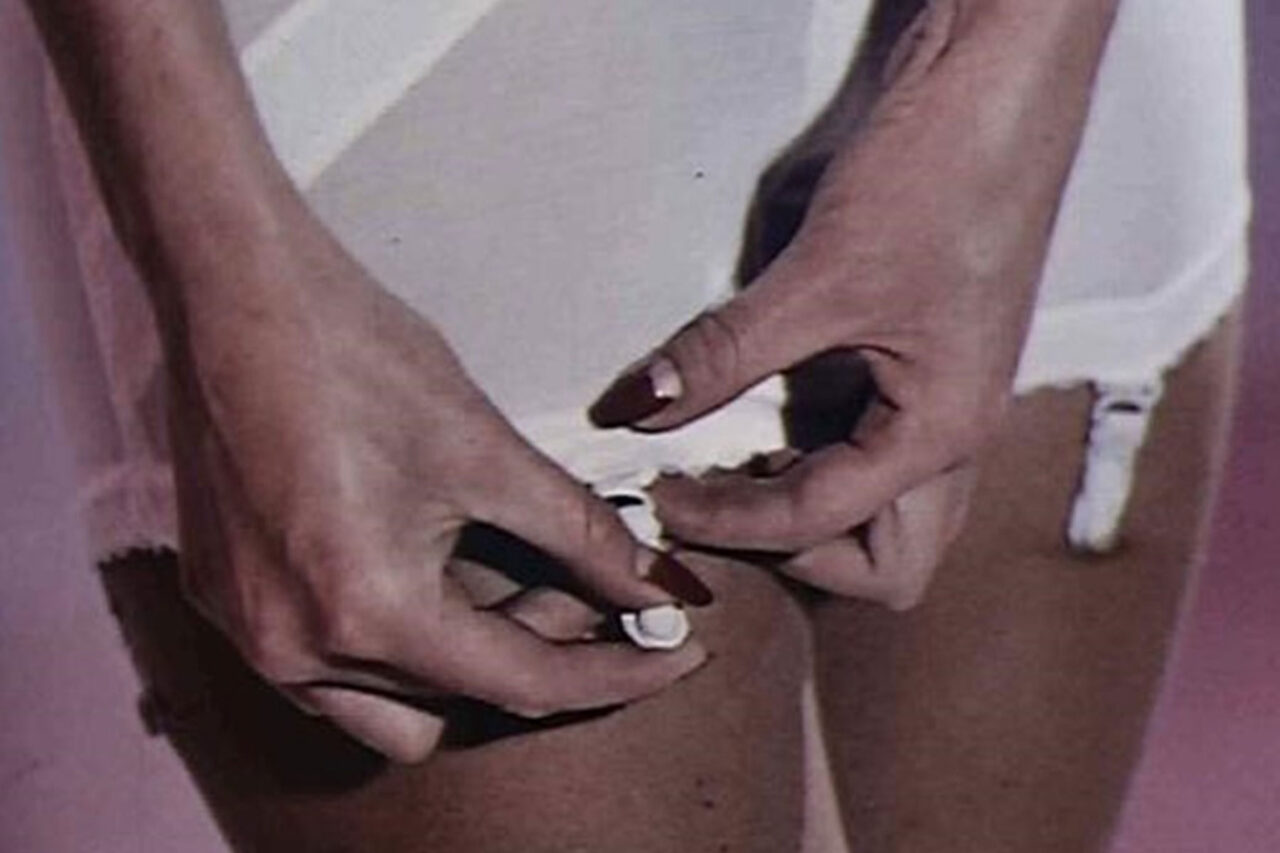
To promote the use of new synthetic fibres, we produced cinema adverts. ‘In Form for Tomorrow’ showcased the benefits of Lycra in St Michael lingerie.
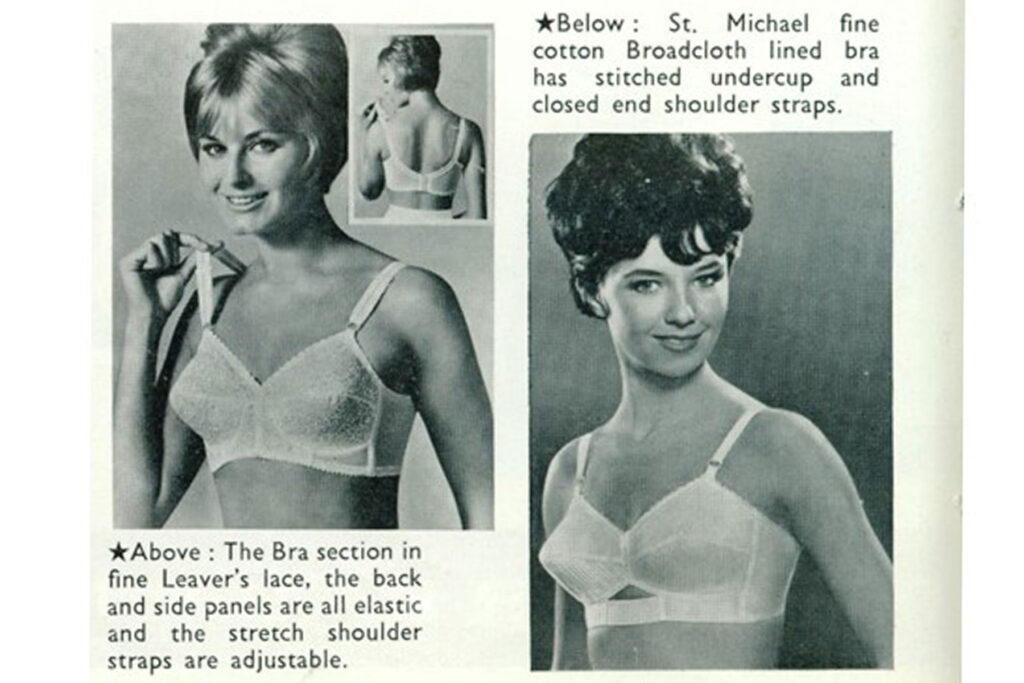
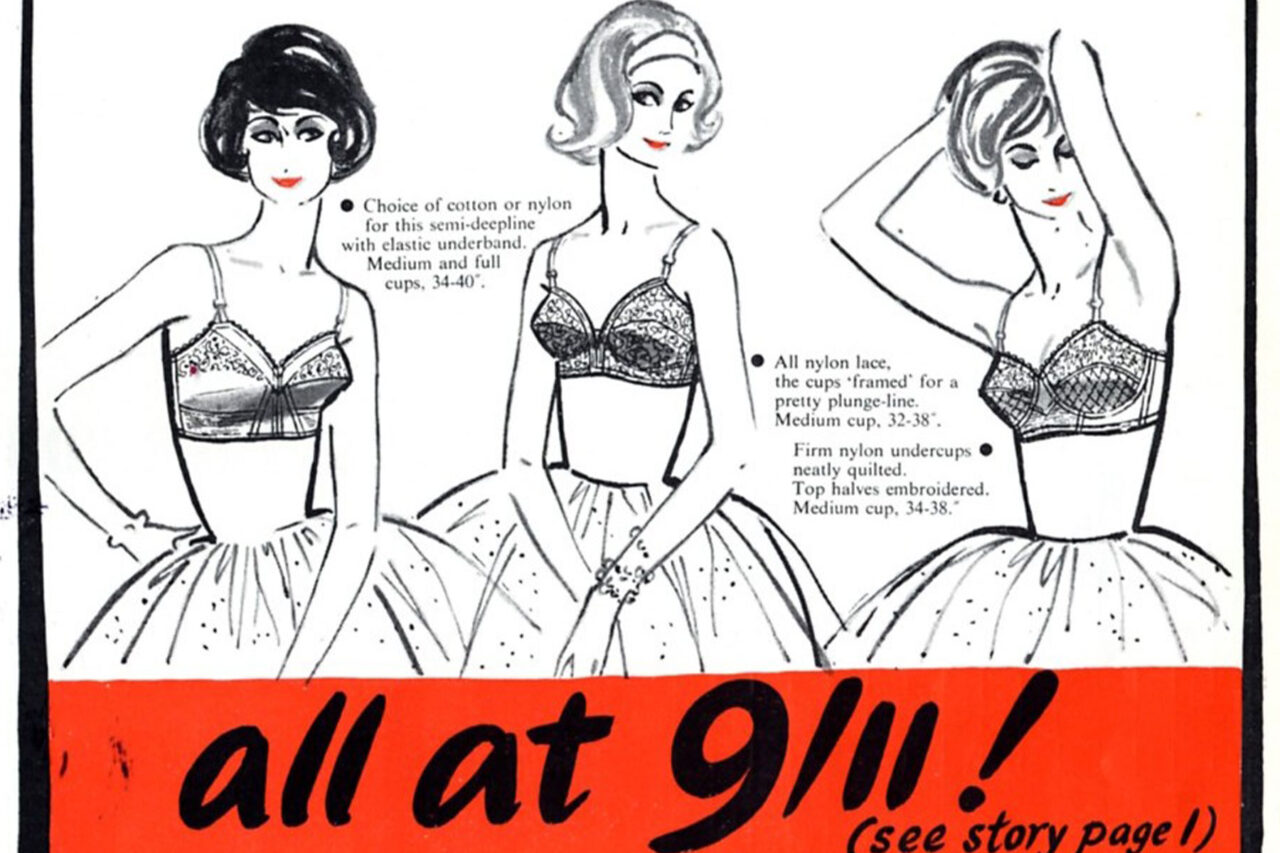
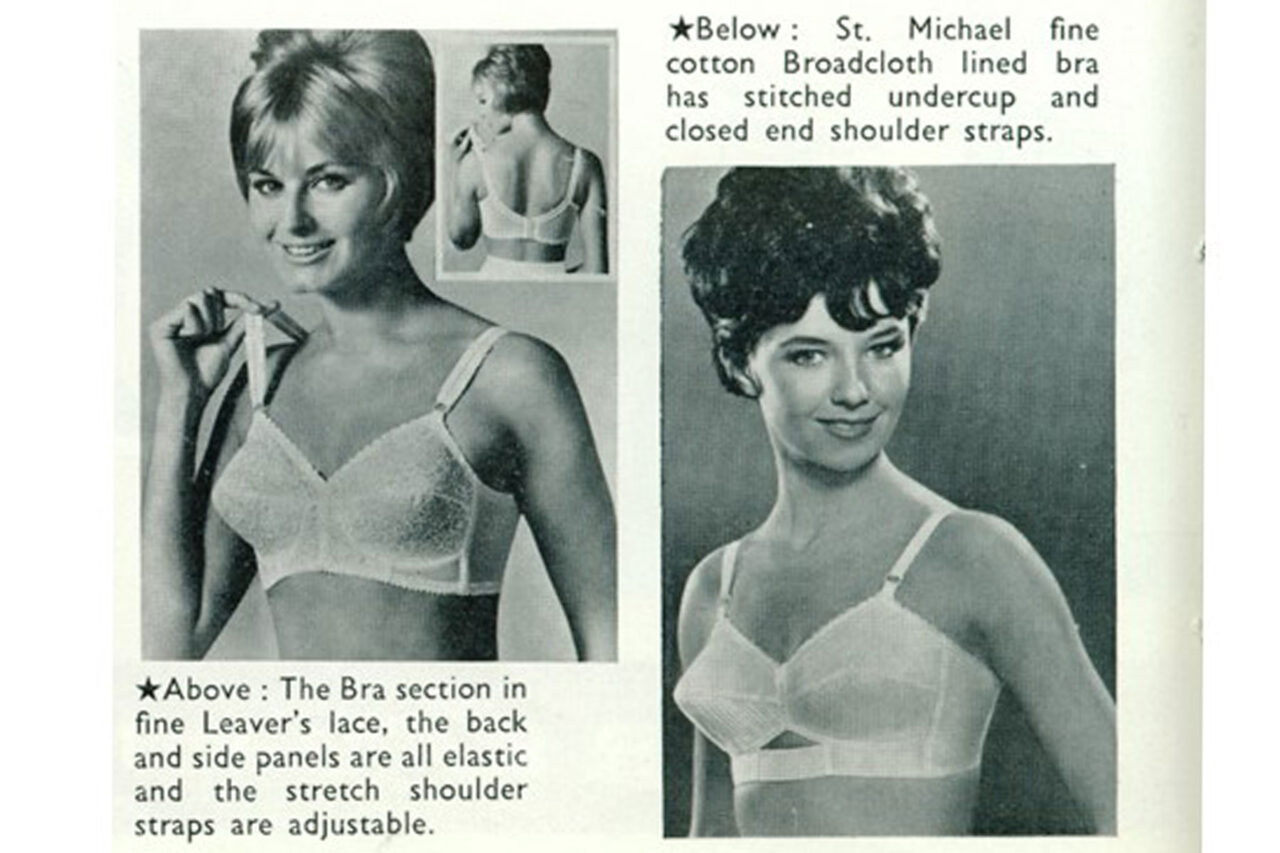
Our lingerie designers were constantly working to improve comfort and support. By 1964 we were selling bras with elastic adjustable stretch straps.
We were the first retailer in the UK to sell pre-shrunk cotton underwear.
The same year, stretch lace was introduced to girdles and panty girdles.
The girdle range of 1965 focused on the ‘rounded rear’. The American-inspired range gave a gentle uplift and was recommended for wearing beneath trousers.
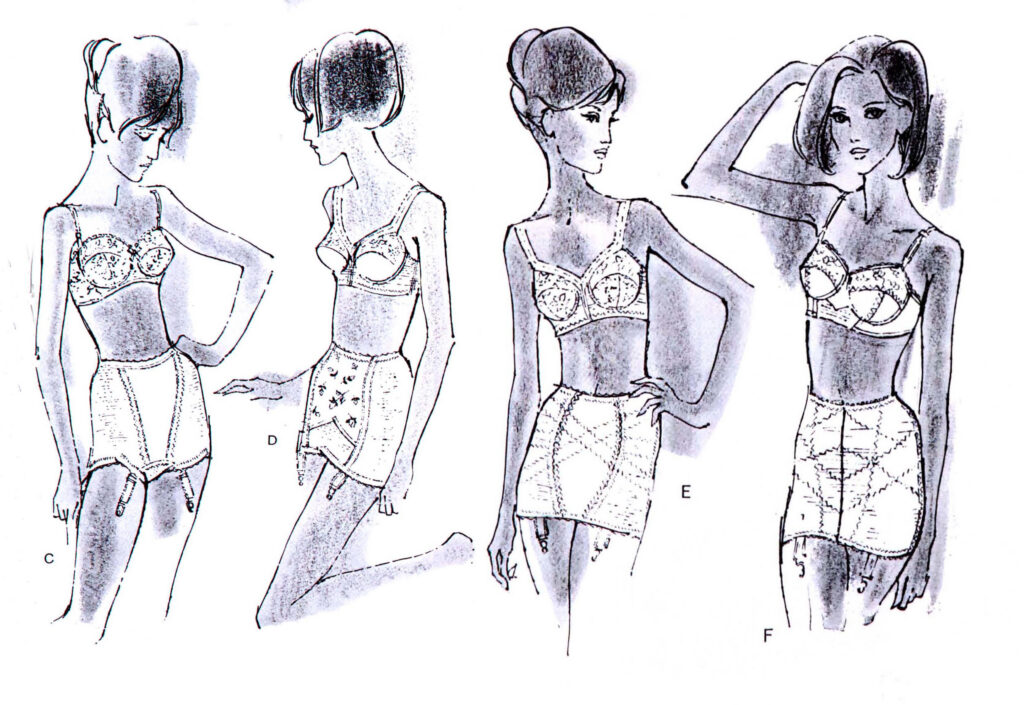
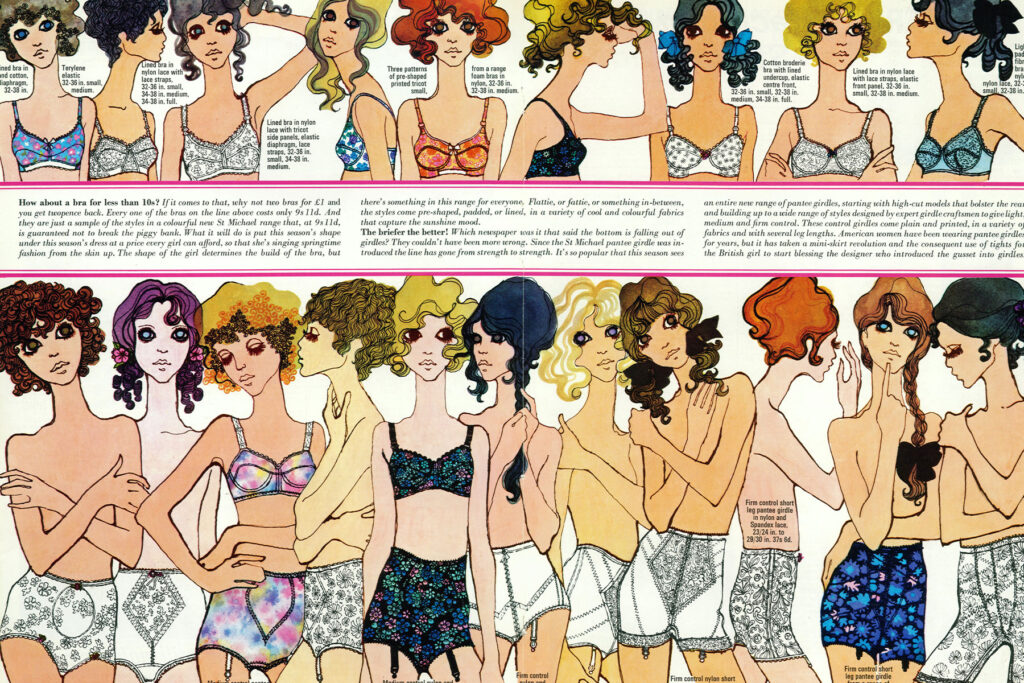
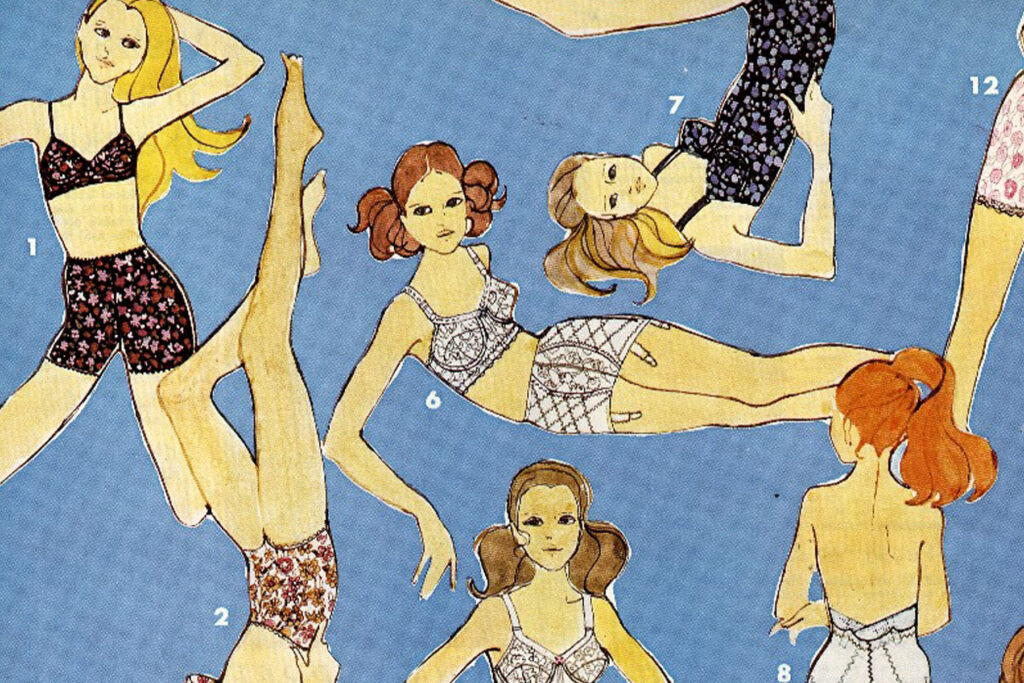
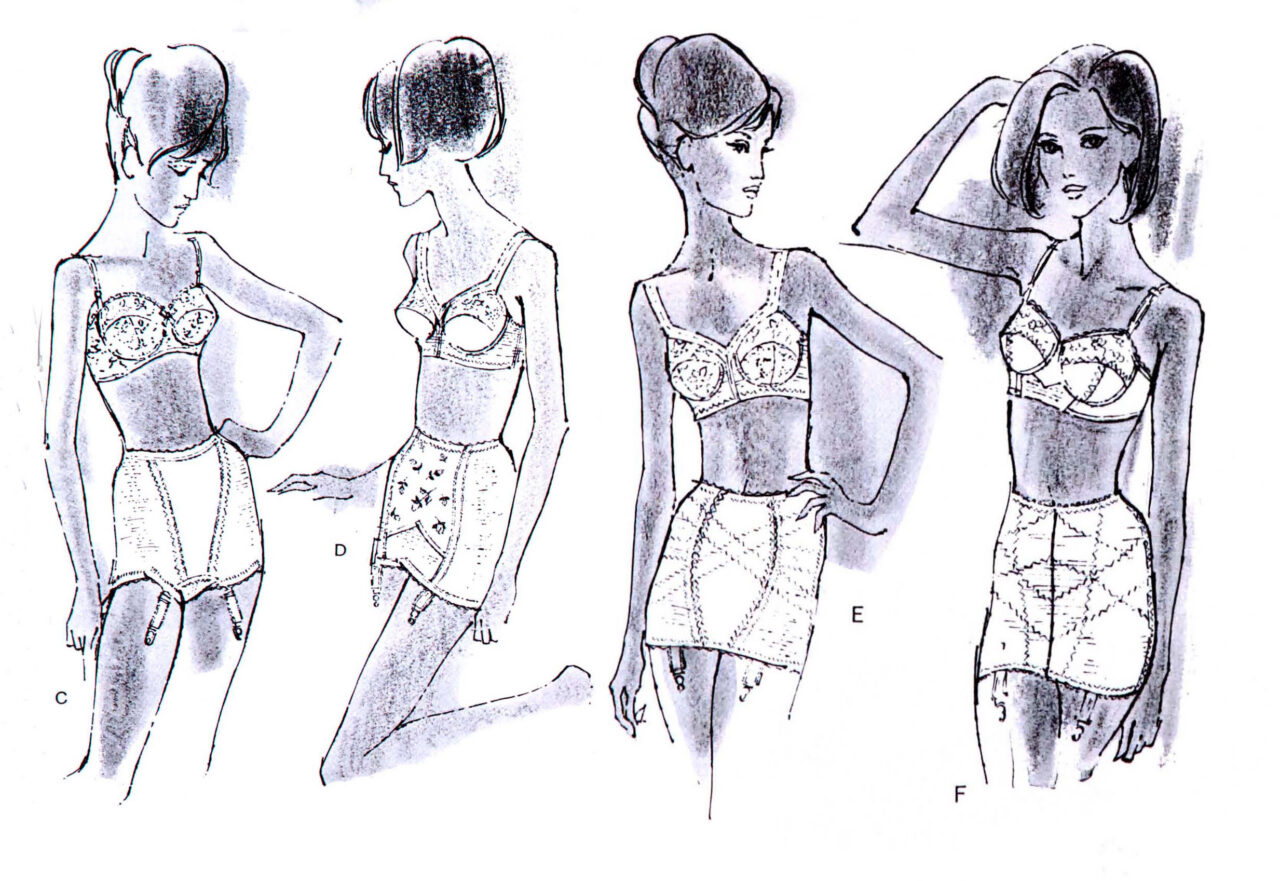
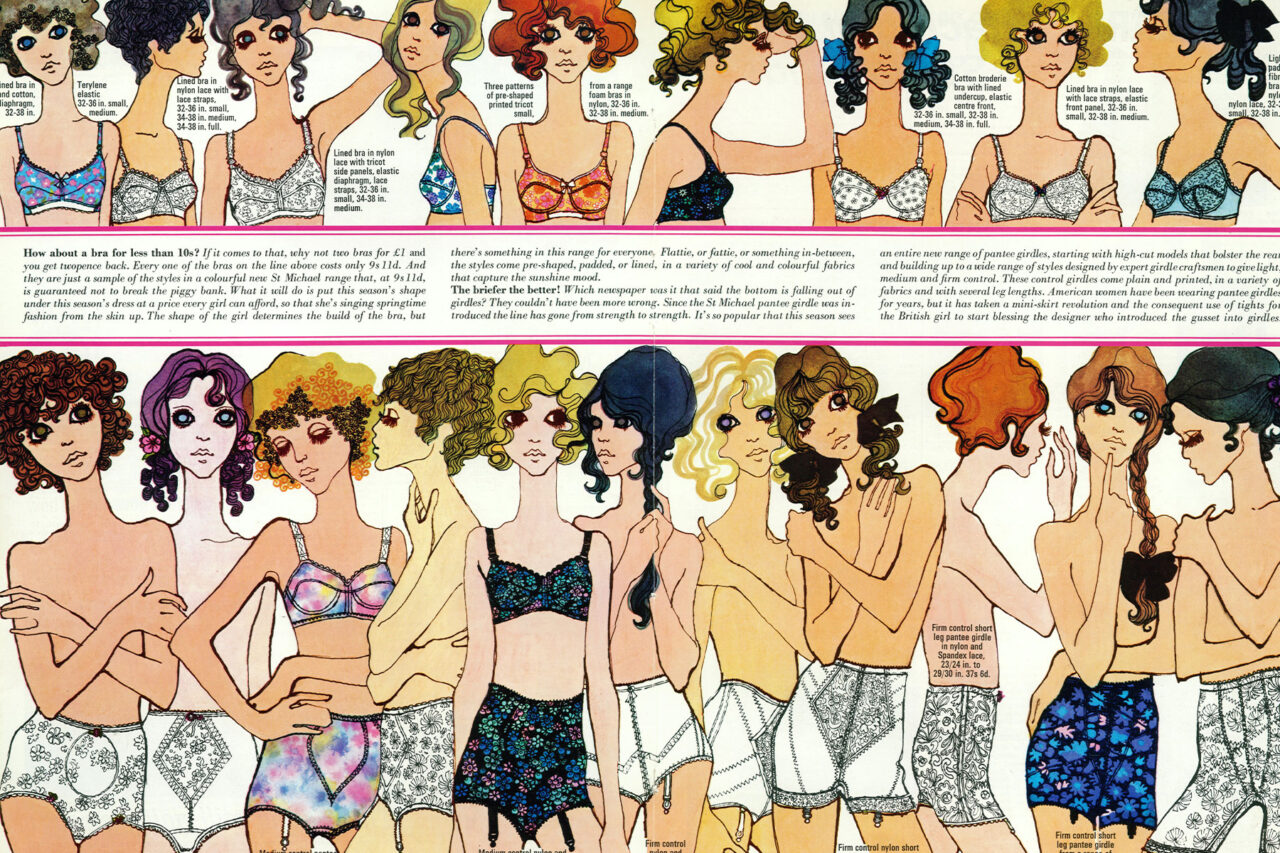
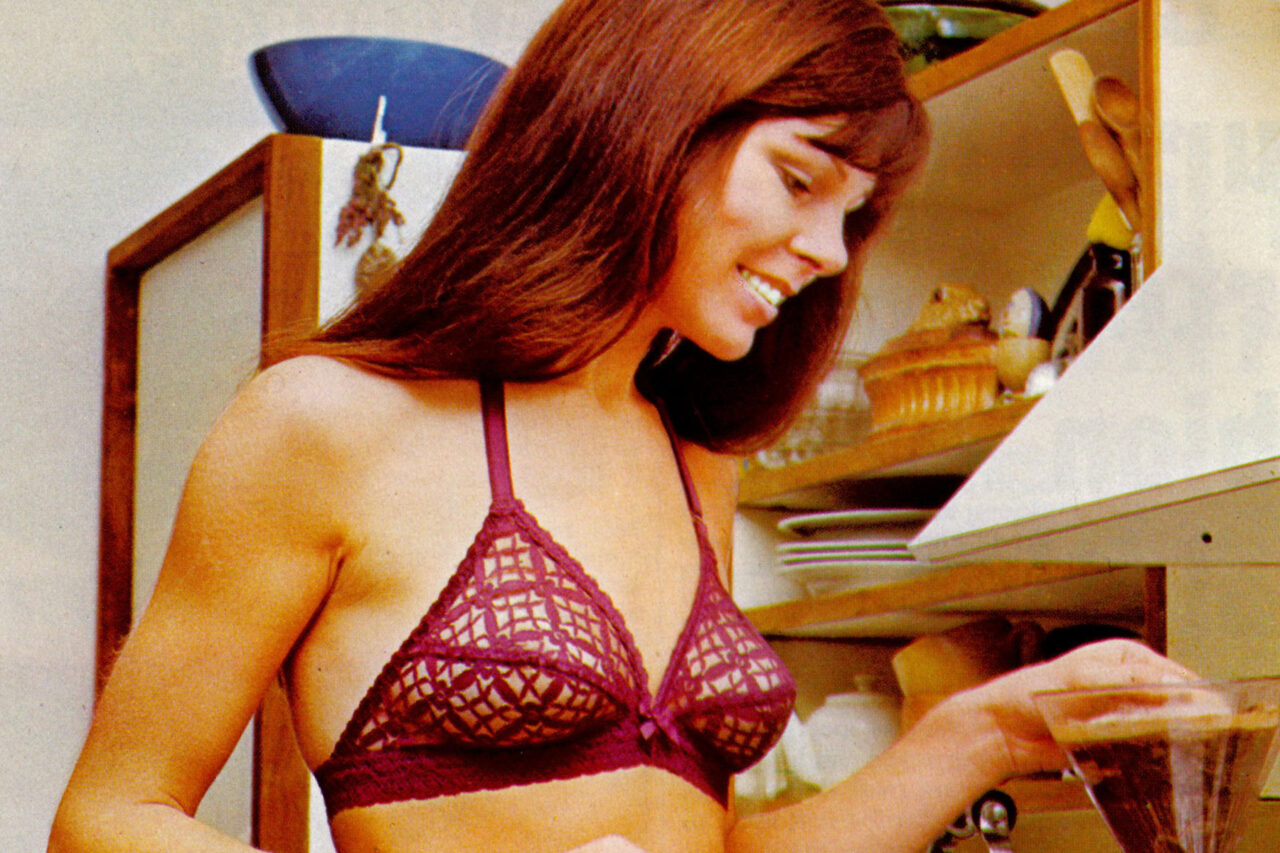
In 1966 we became the first major retailer to introduce a range of coordinating bras and girdles. From light to firm control, the girdles came in lace and fabric to match the bras.
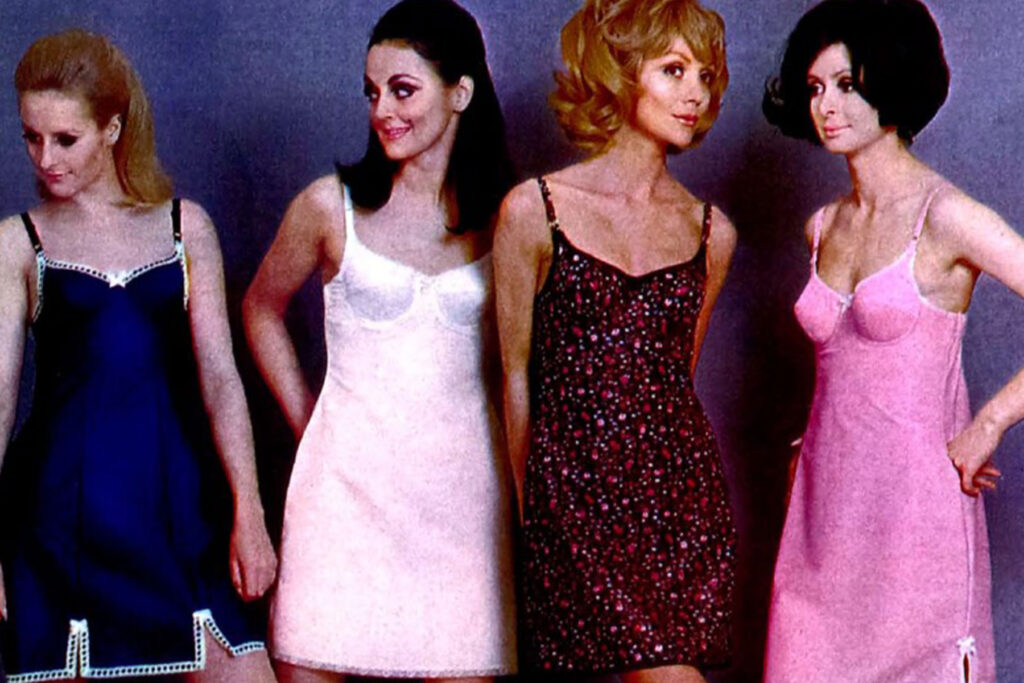
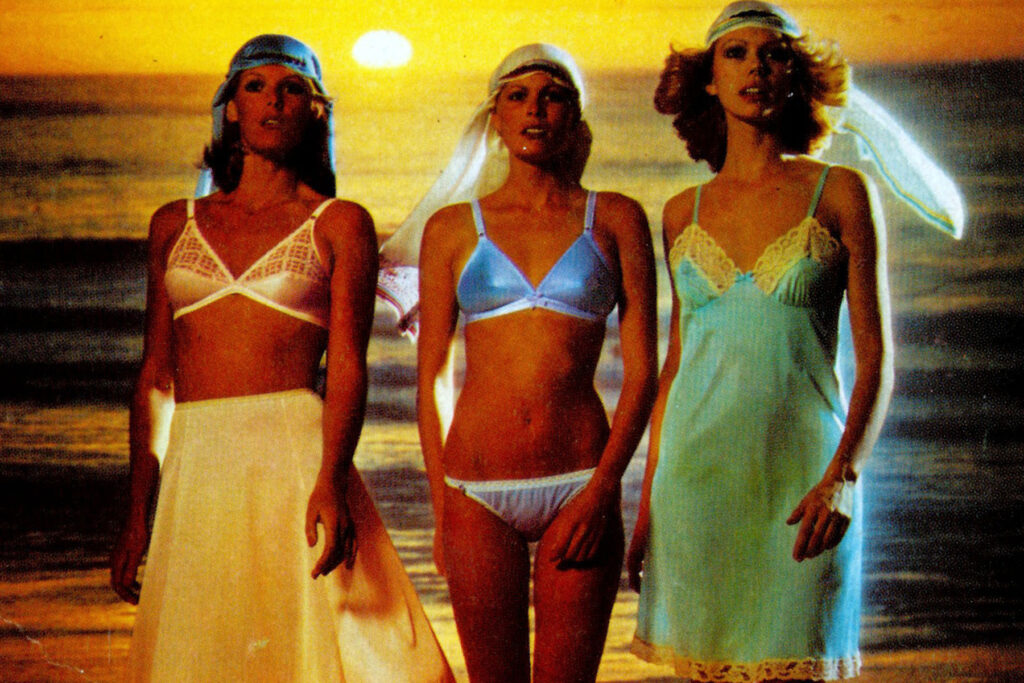
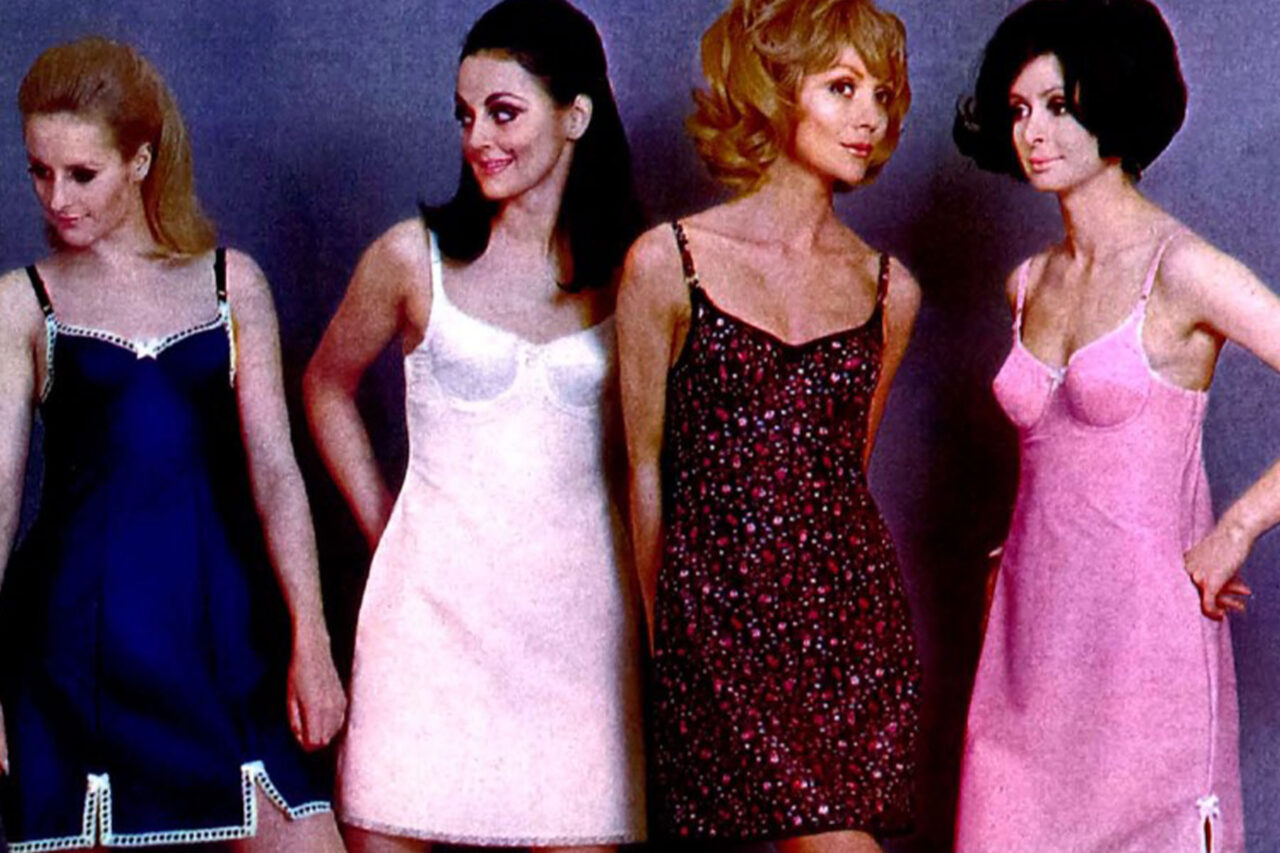
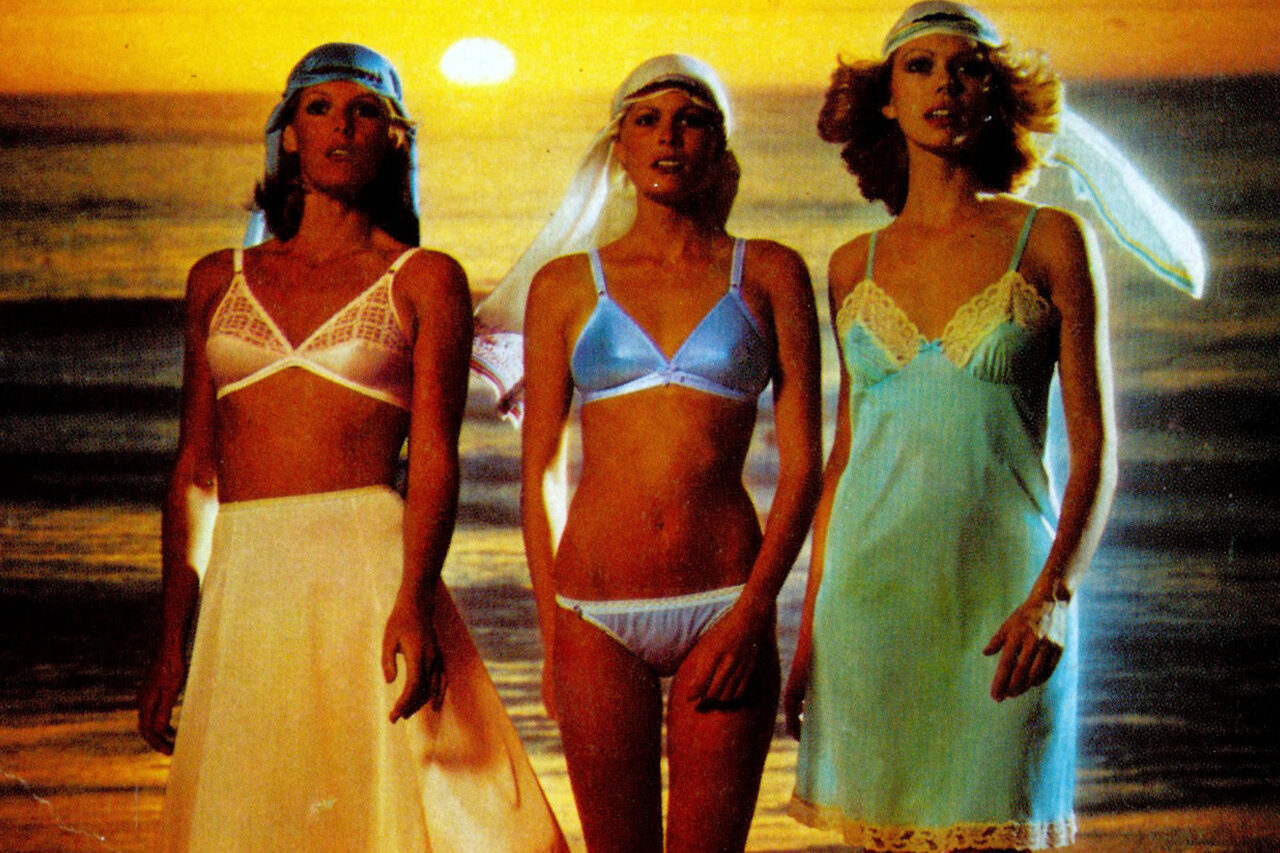
In 1966 we trialled the bra slip. Influenced by Parisian styles, the M&S bra slip became one of the fastest selling lines of the 1960s. Customers enjoyed the practicality of wearing one garment instead of two, and the shorter length suited the mini-skirt fashions of the time.
We launched a new range of panty girdles which included high cut styles that ‘bolster the rear’. The girdles were available in light, medium and firm control and came in a variety of fabrics, in plain and printed designs.
We introduced cup sizes to our bras (A-D) which replaced the small/medium/large sizes.
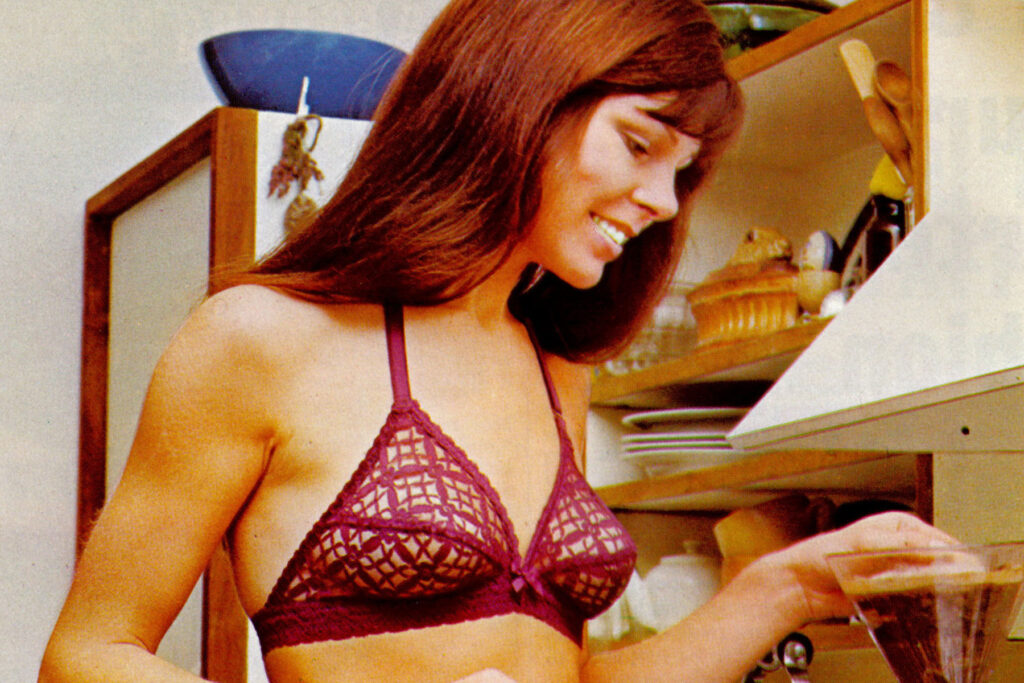
The Scanlace bra was introduced in 1971 for 73p, and 18 months later M&S had sold a million – it became the bestselling bra in Britain in 1972. It was our first unlined bra, described as ‘less bra doing the same job as before’. The bra was seen as a prototype for a new style of bra aimed at a younger market.
As well as supplying the British market, we exported lingerie around the world to concessions in chain stores and St Michael shops.
By 1976 knickers were our largest export – nearly 4 million pairs a year were sold internationally.
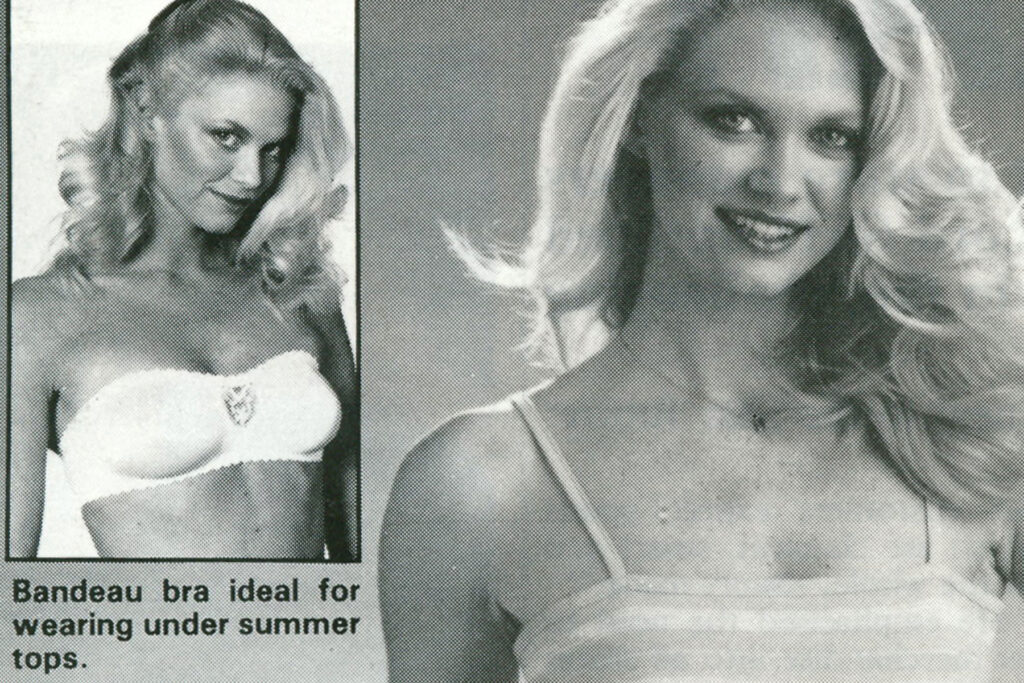
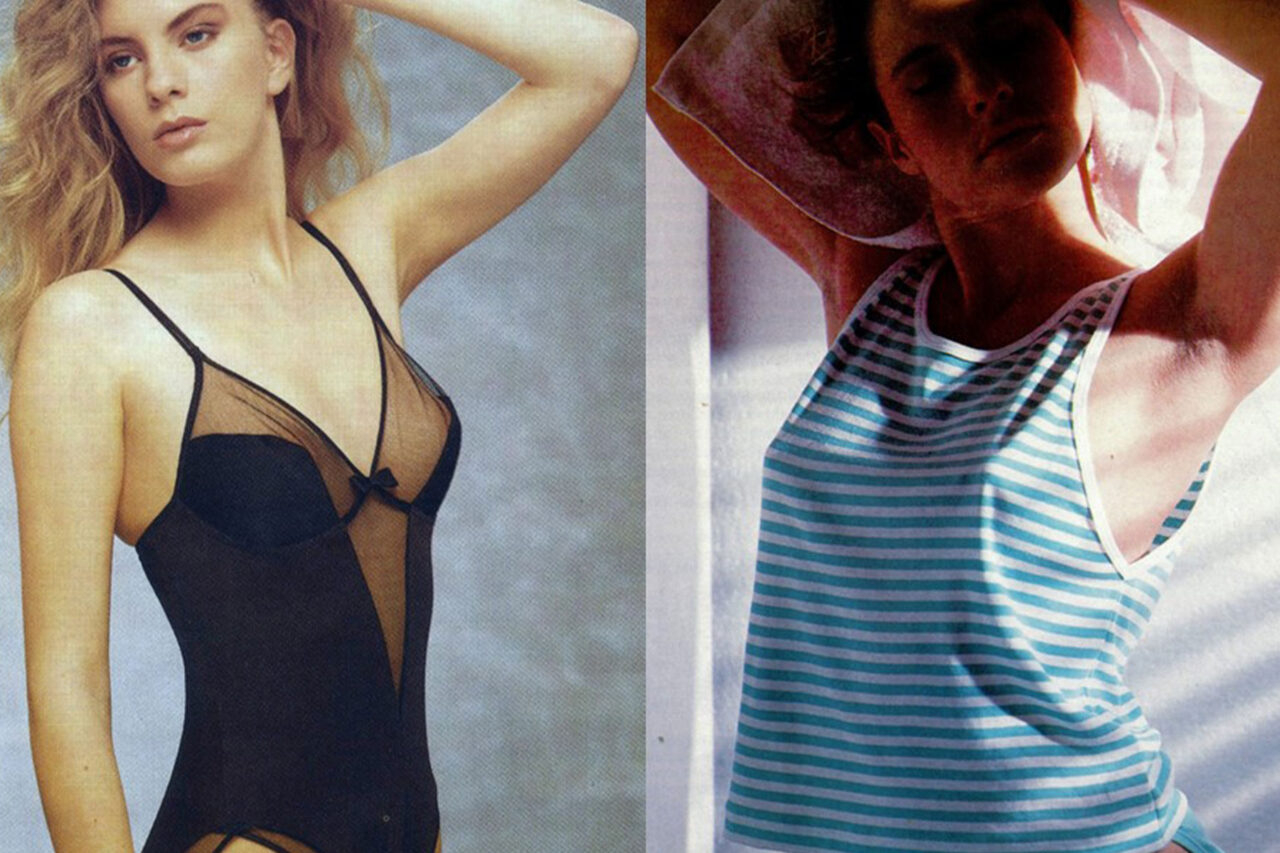
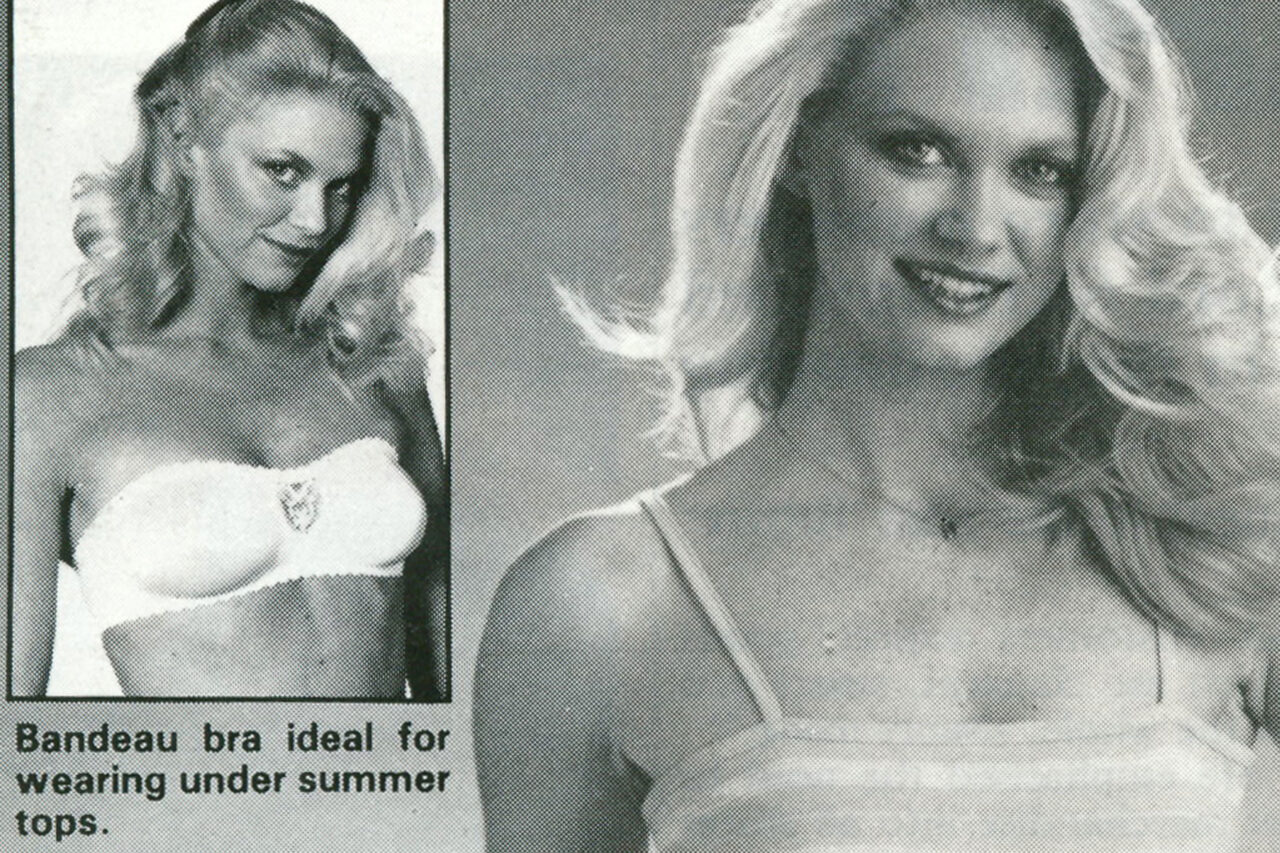
An in-store campaign, ‘Bras for Today’s Woman’ encouraged women to buy into a wardrobe of different bras. ‘Ladies need at least three styles: a good softly shaped day bra, a seamless bra for the ‘natural’ look to wear under t-shirts and a deeply plunging glamour bra for evenings.’
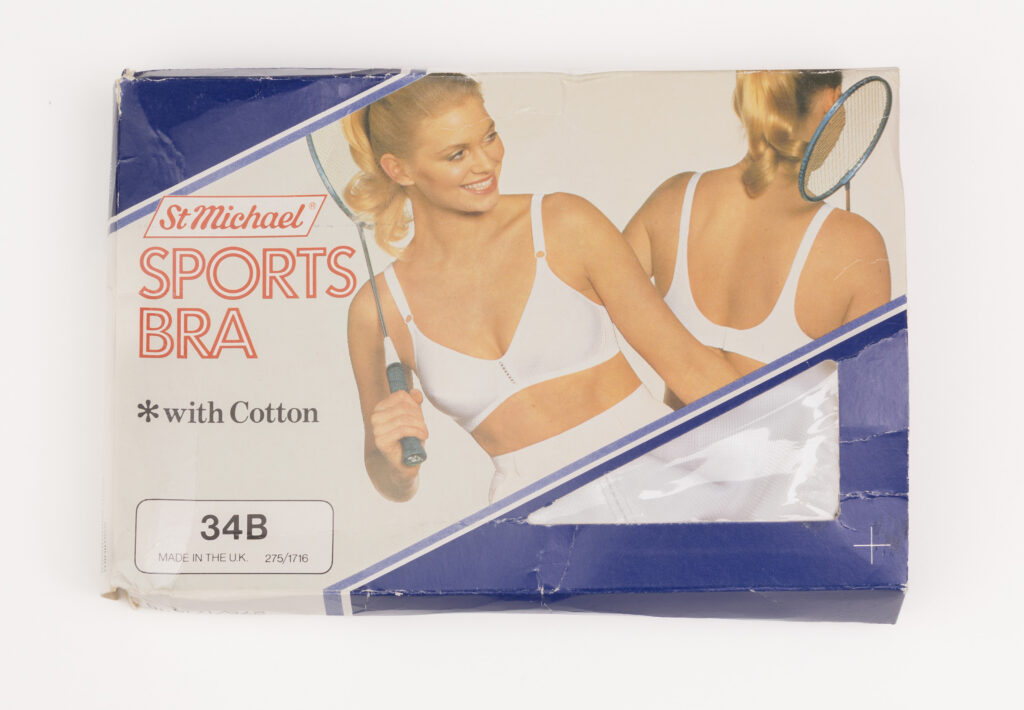
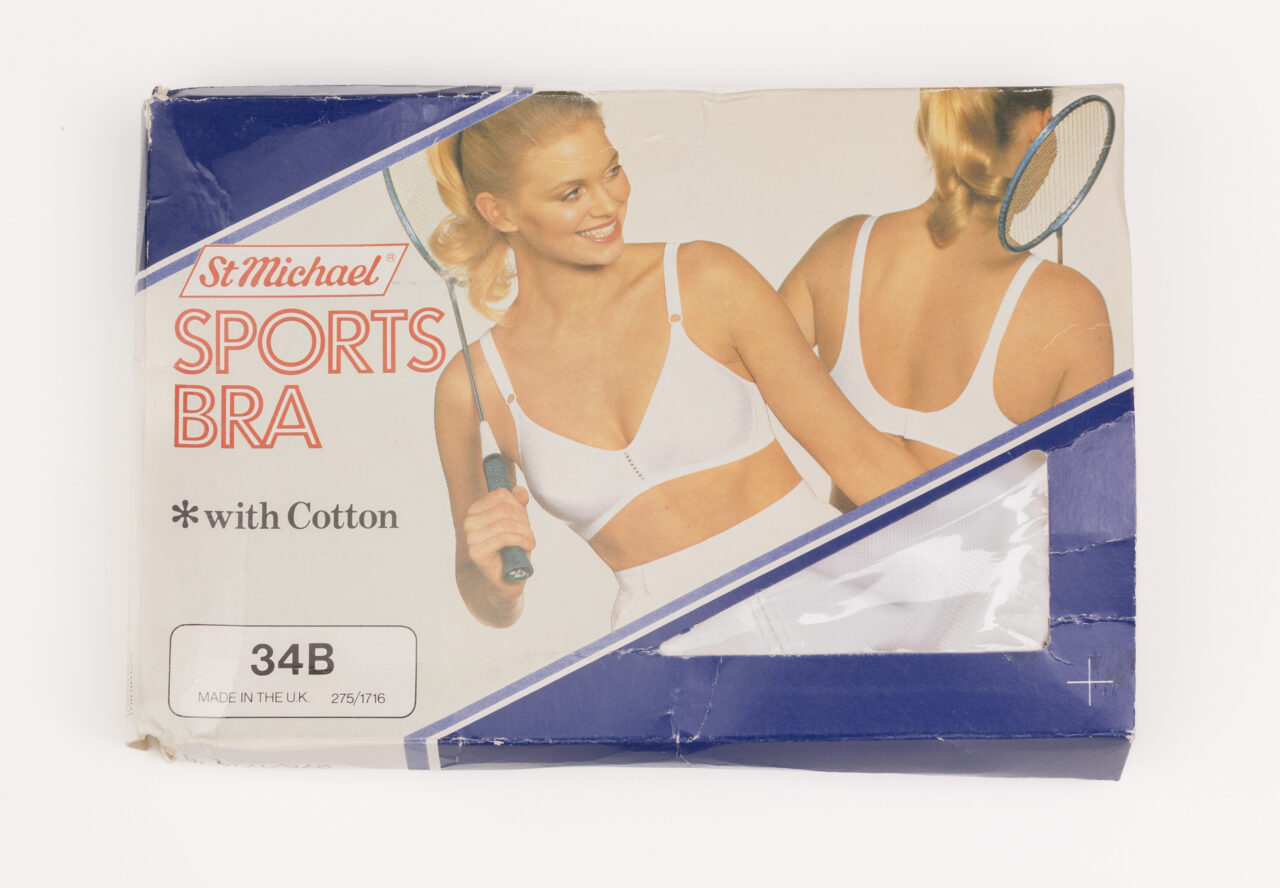
The keep-fit boom of the 1980s influenced our lingerie ranges. In 1984 we launched a sports-inspired range.
We’d been selling sports bras since the early 1980s, and sales assistants were trained to advise customers which bras were most suitable for exercise.
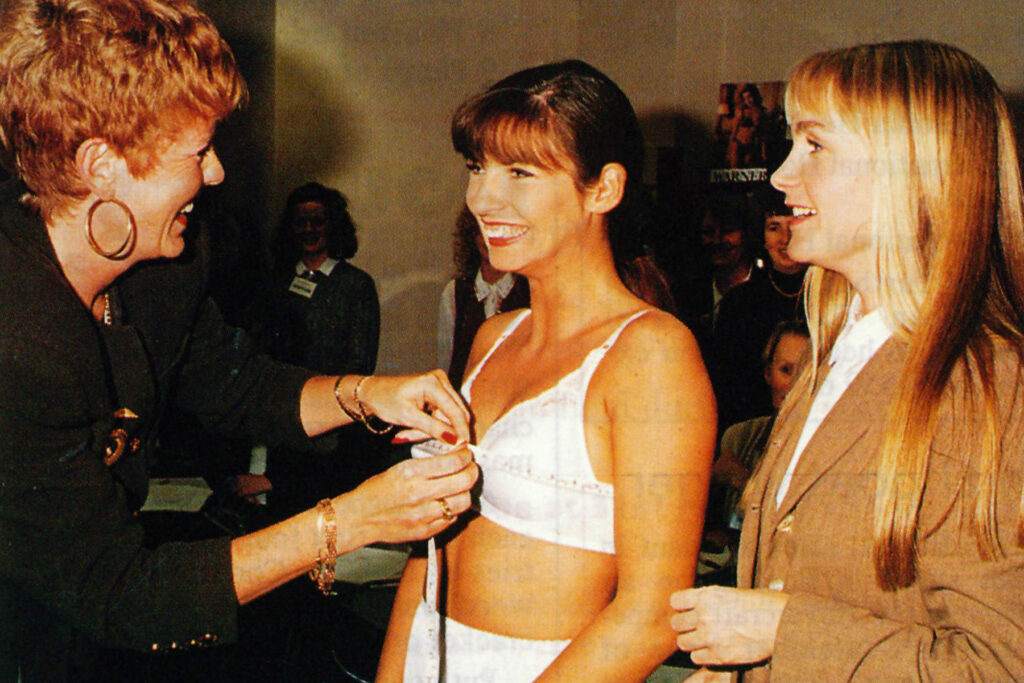
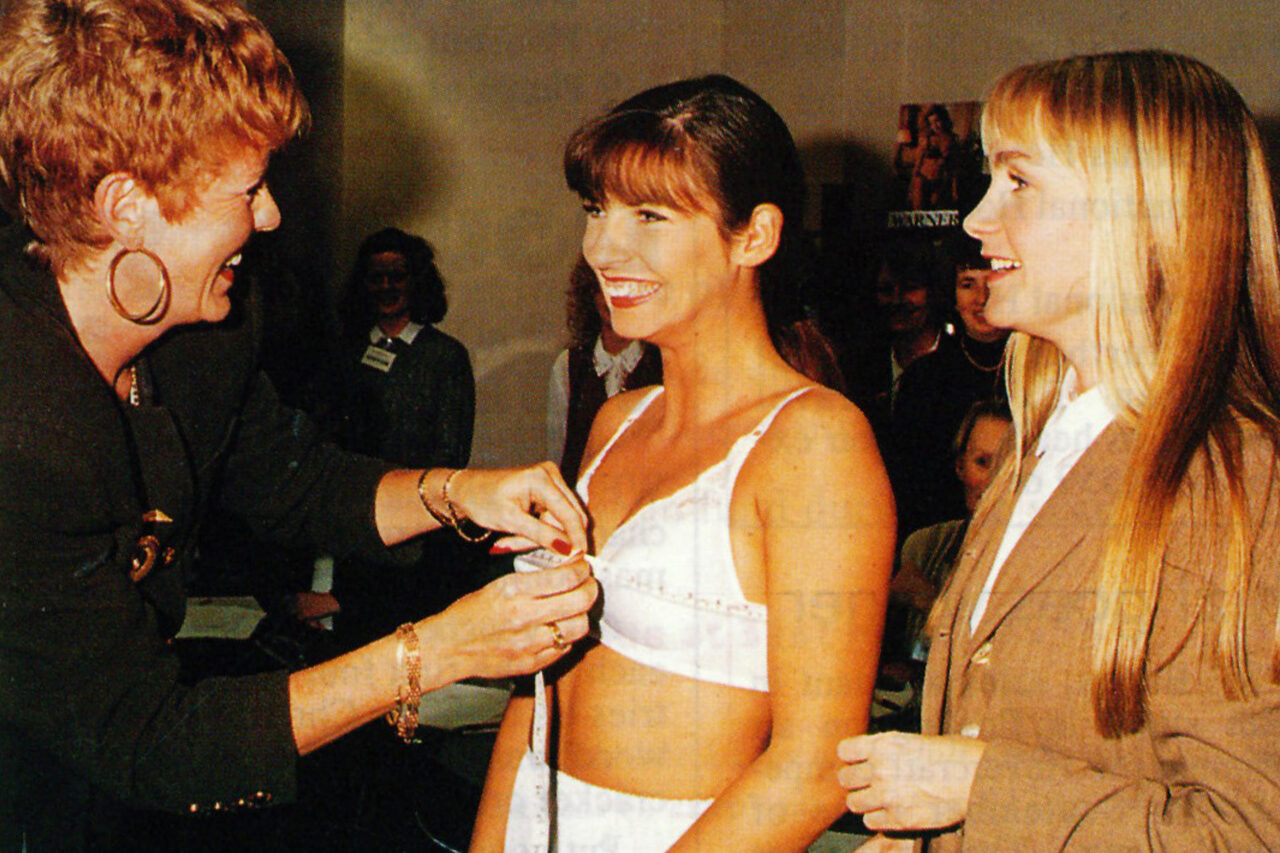
In 1994 we developed a new bra fitting service involving more thorough measurements. Staff underwent two days of rigorous training and assessment to ensure they were giving customers the best service.
Nursing bras were introduced in 1991 but we expanded our range in 1994 to include slips and briefs.
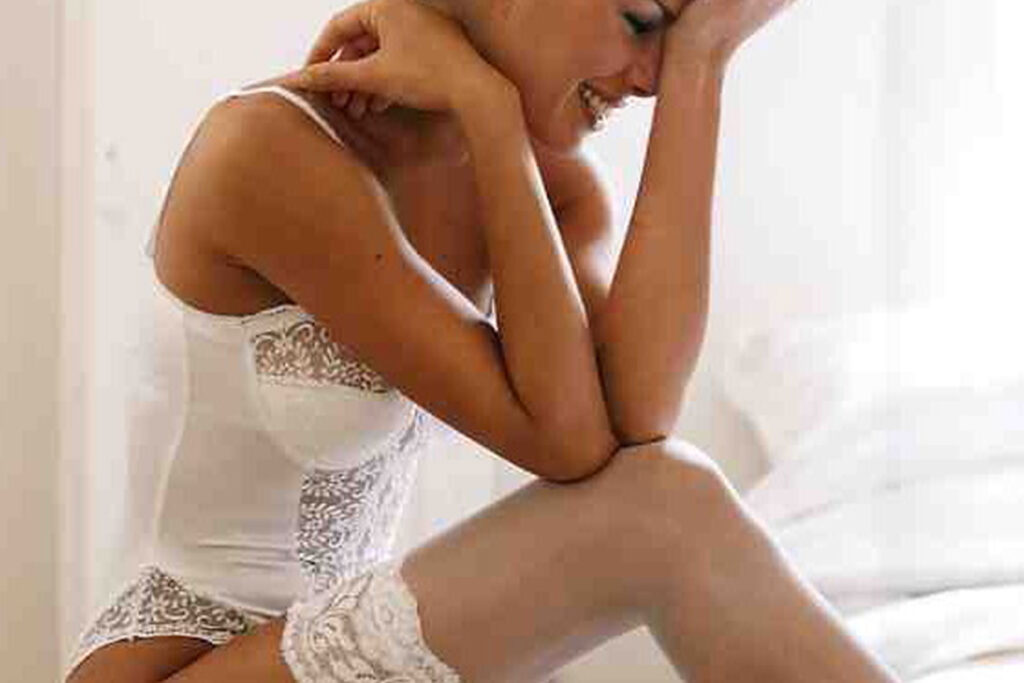
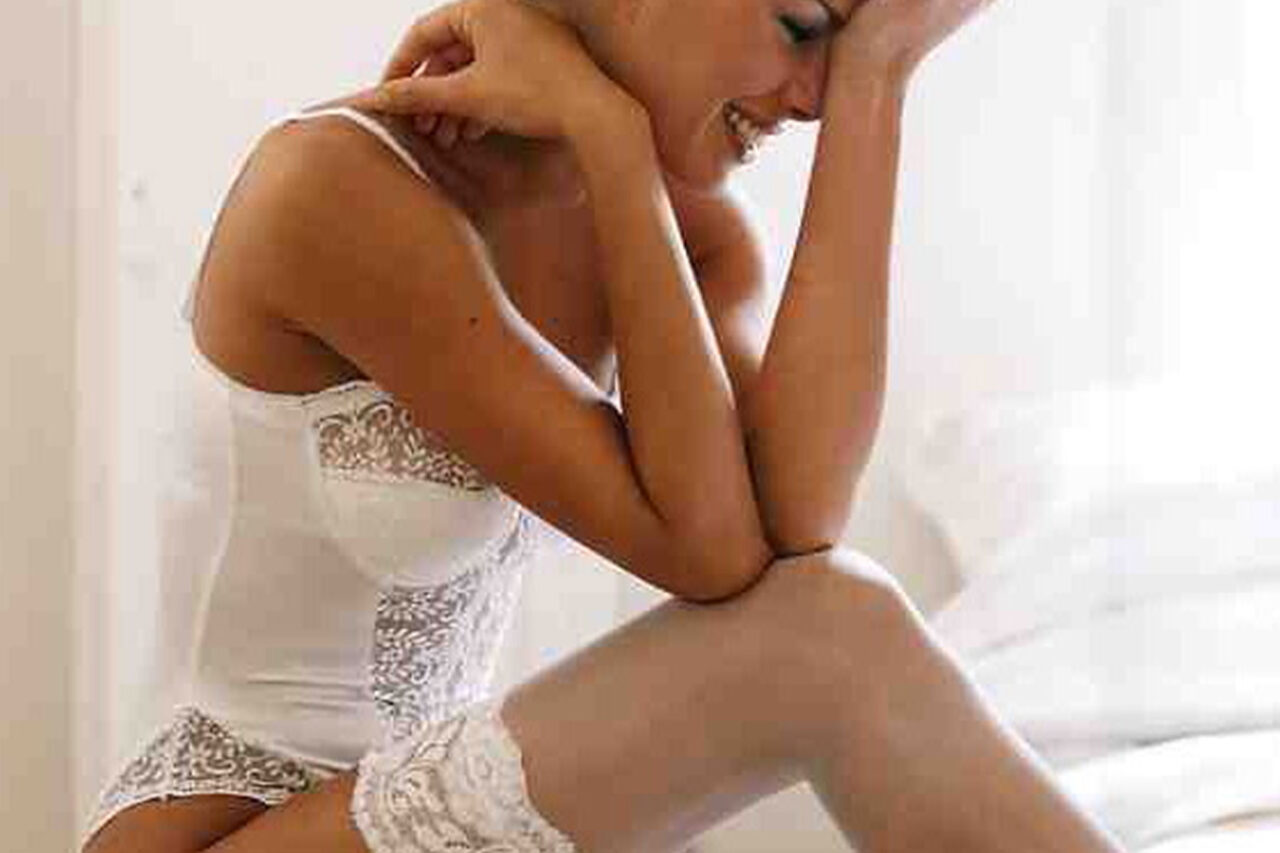
We launched a new bridal range after researchers surveyed 500 brides – the collection was feminine and pretty, but with no fussy detailing.
Research was undertaken to make our lingerie departments more appealing to customers.
As a result, new look lingerie departments were trialled, with new fixtures and fittings, and merchandise separated into customer types – glamour, modern and classic.
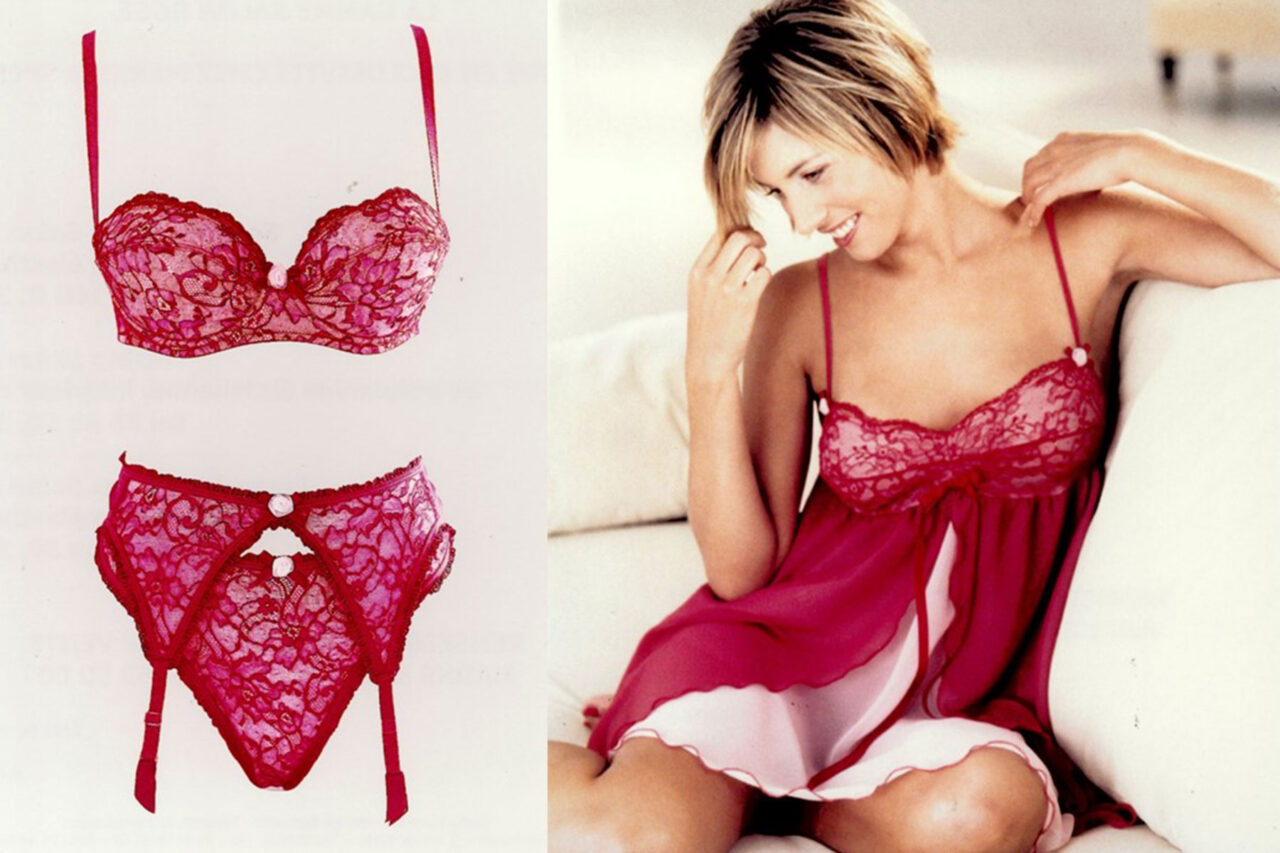
The Salon Rose range from Agent Provocateur was launched in store in 1999, including bridal and maternity collections.
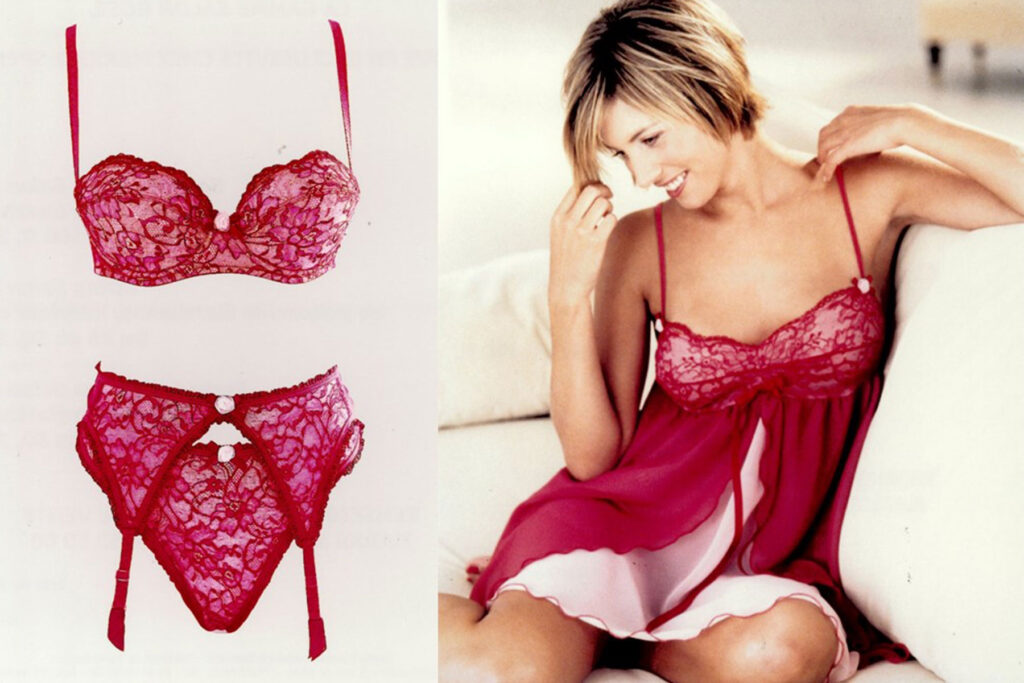
In 2001, Australian designer Collette Dinnigan designed the first Wild Hearts range – a partnership that expanded to include swimwear and hosiery.
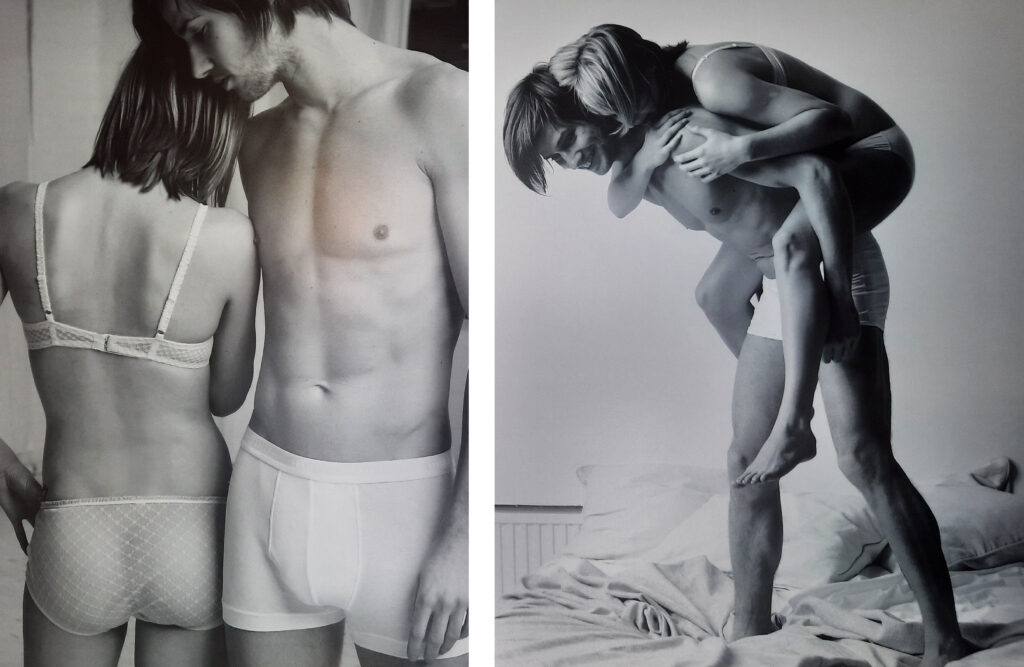
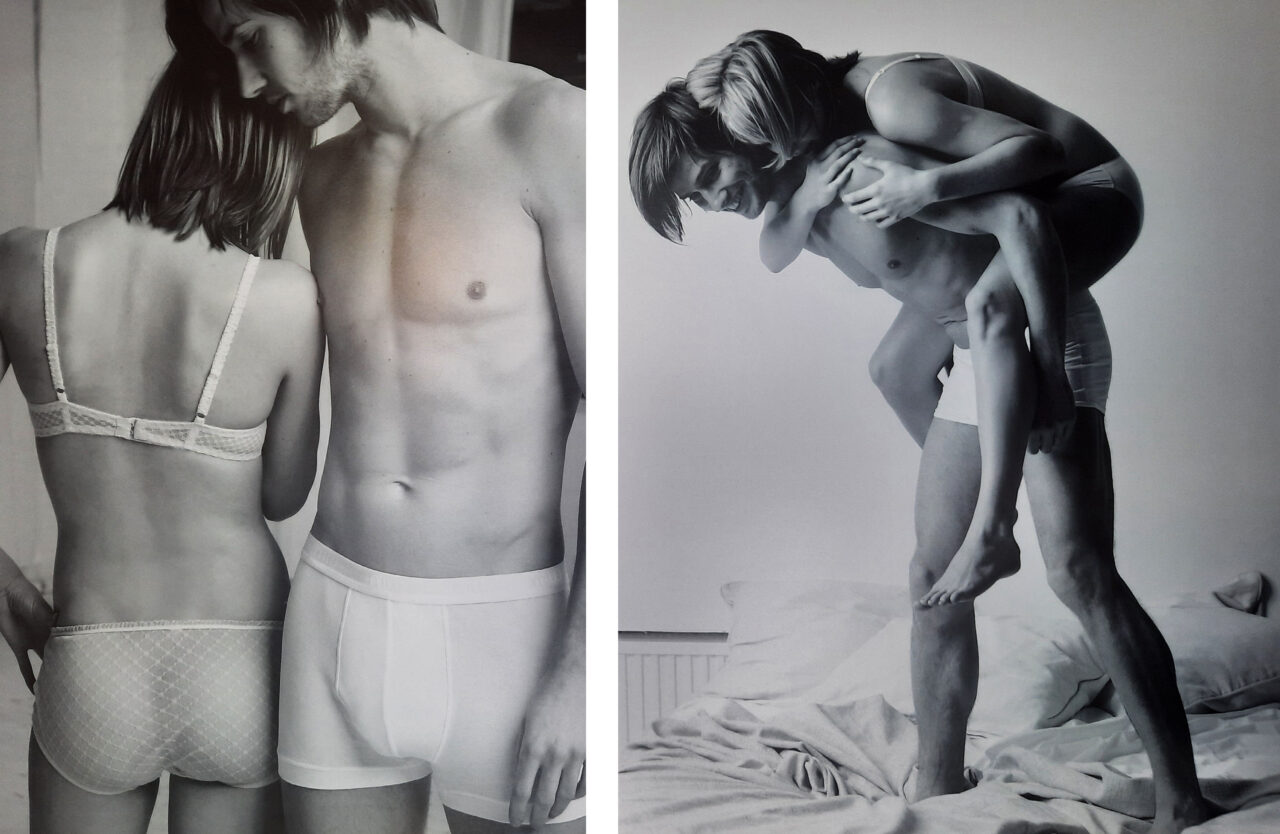
The MW collection is launched – bringing together lingerie and menswear.
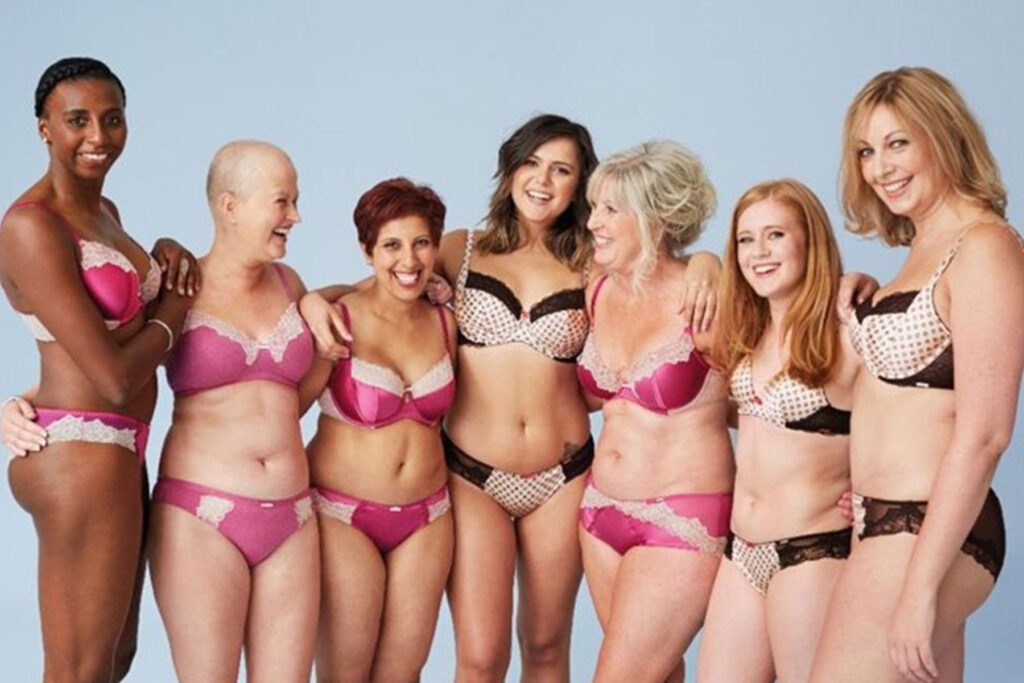
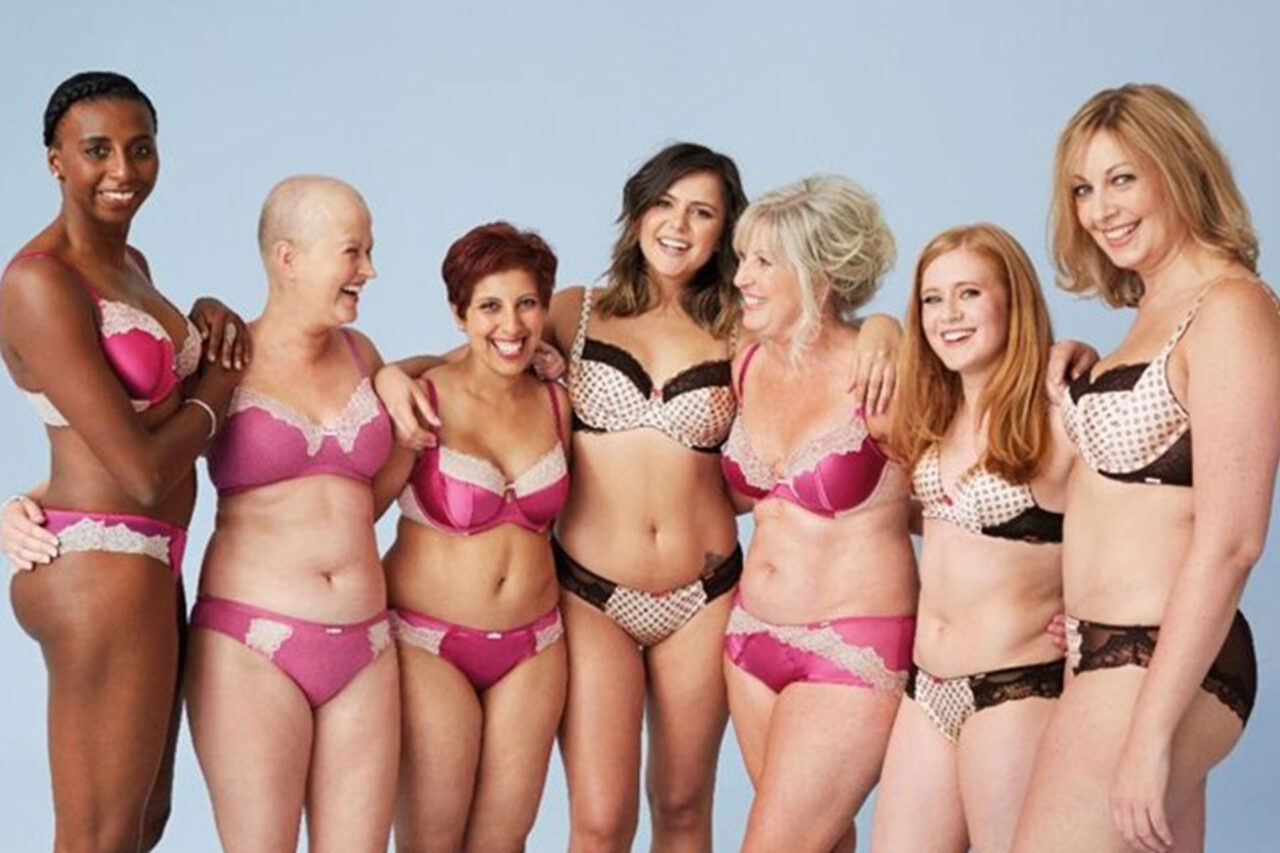
We’ve been recommending bras suitable for post-surgery since the 1990s and by 2003 we were selling ‘Maximum Support’ bras. In 2006 we launched a new range of bras with prosthesis pockets, designed in consultation with women who had had partial or full mastectomies.
A 10% donation from the sale of each bra went to the charity Breakthrough Breast Cancer, now known as Breast Cancer Now, a charity that M&S continues to support.
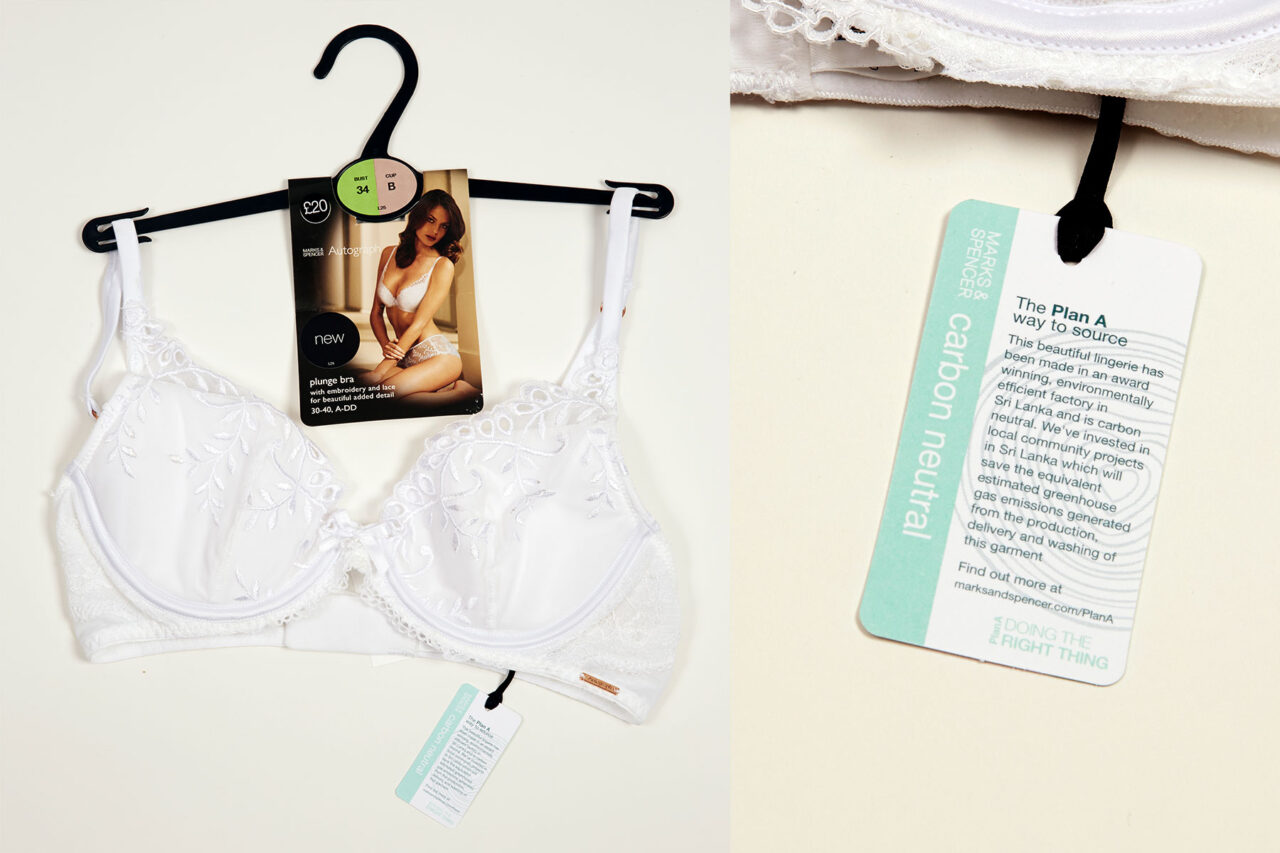
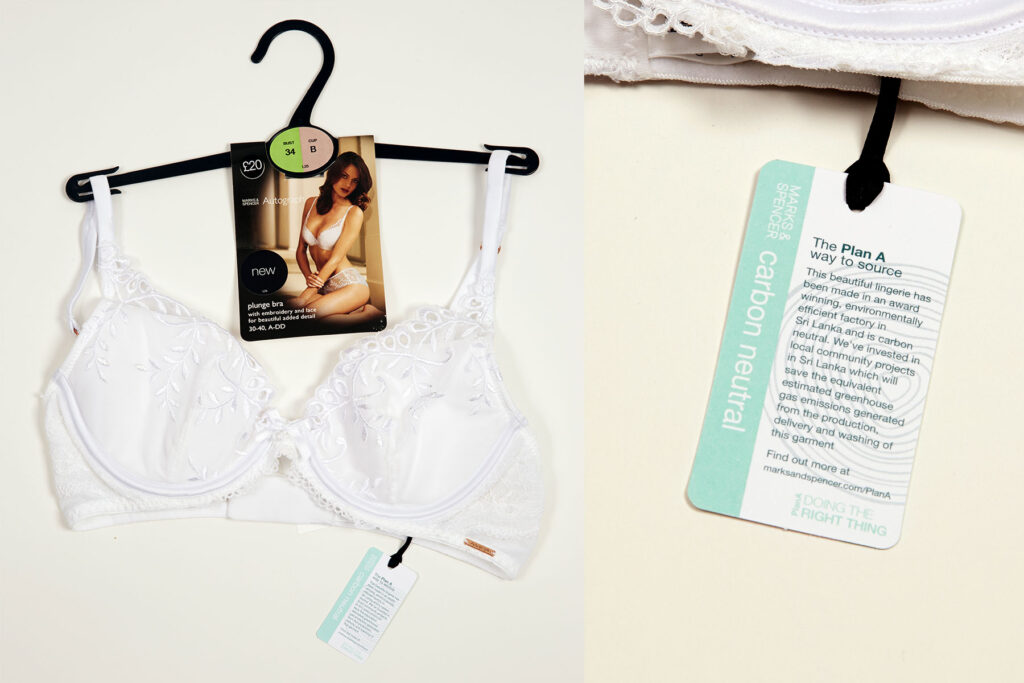
We launched a carbon neutral bra, part of the Autograph leaves collection.
The same year we developed Heatgen™ – a thermal underwear range.
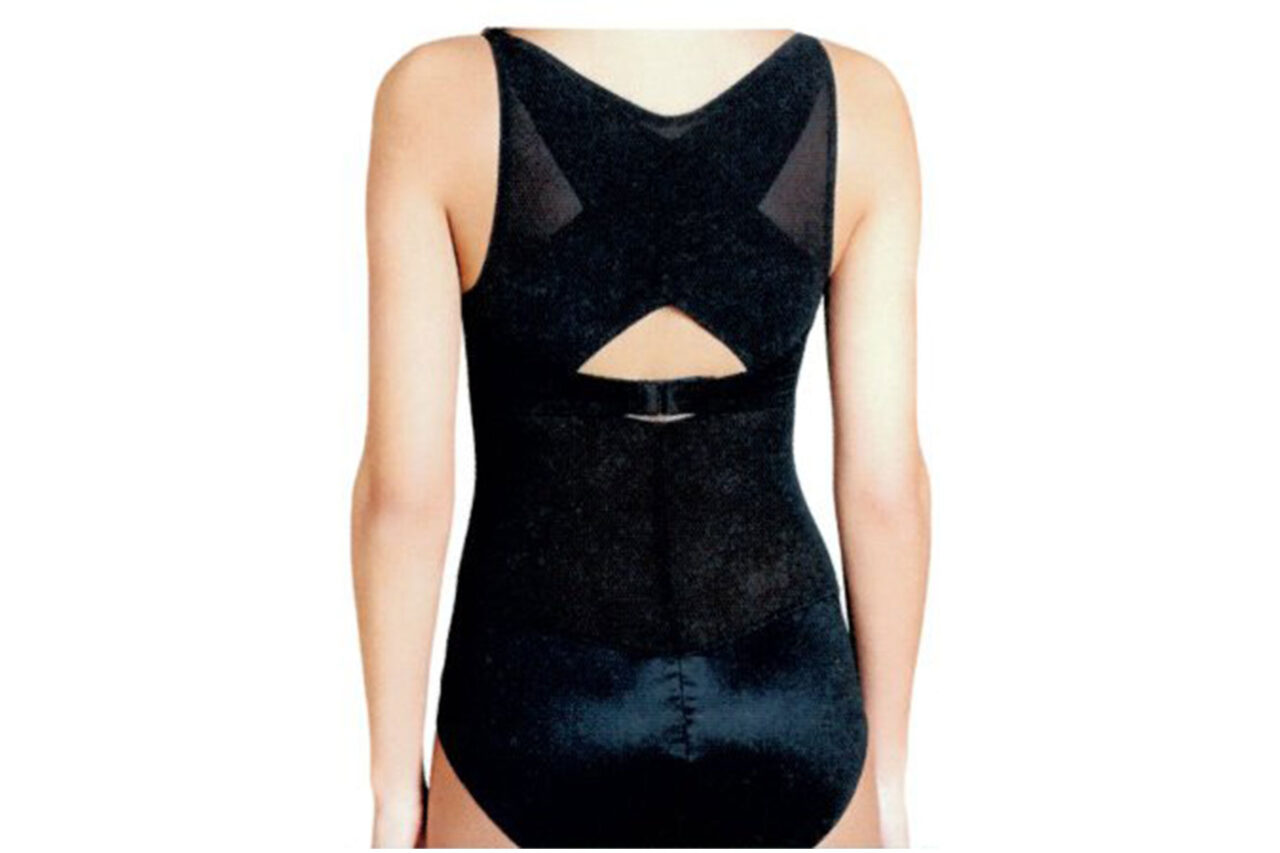
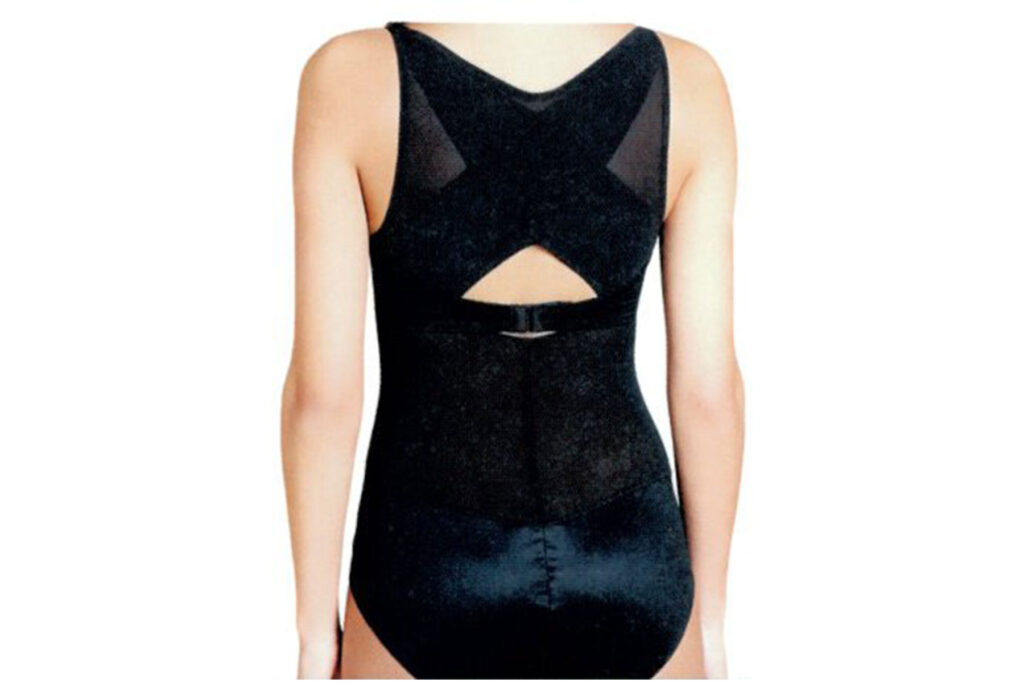
The Perfect Poise range was designed to increase awareness of correct posture by providing support to the shoulders, back and bust.
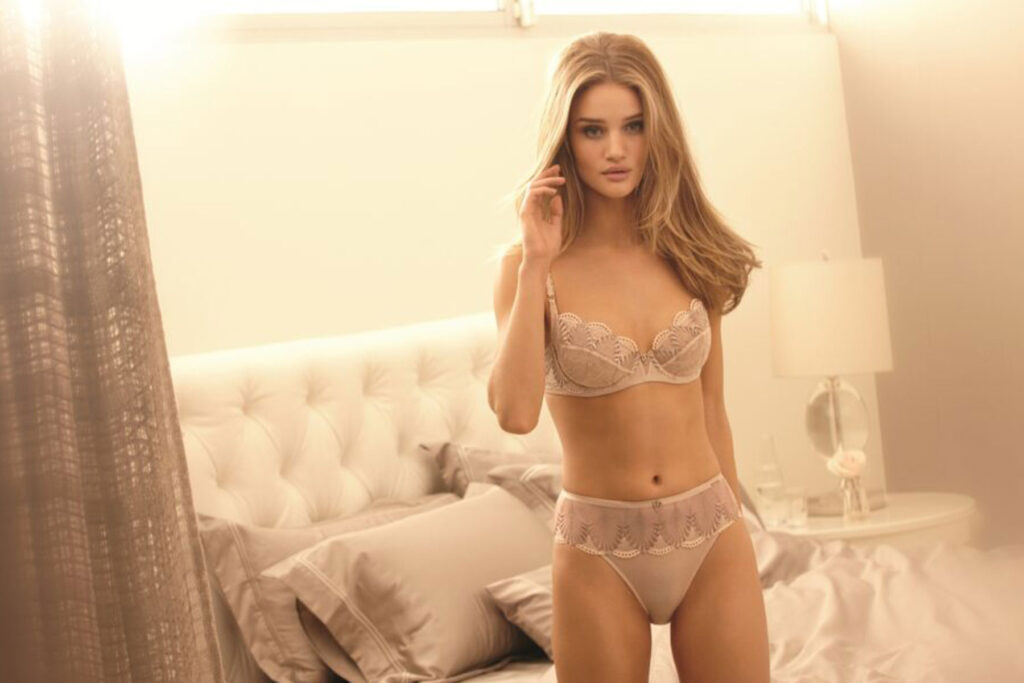
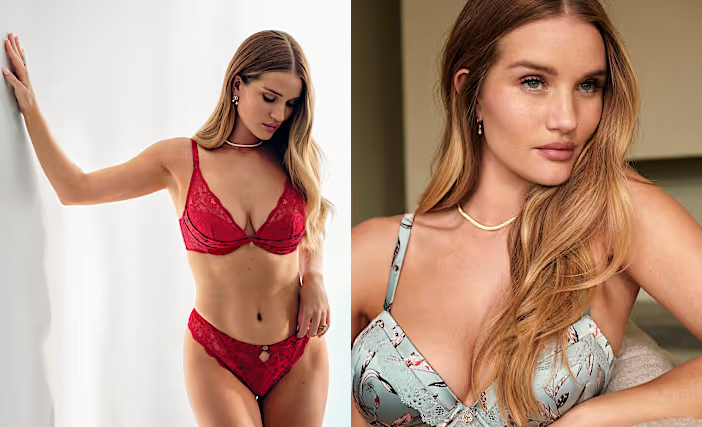
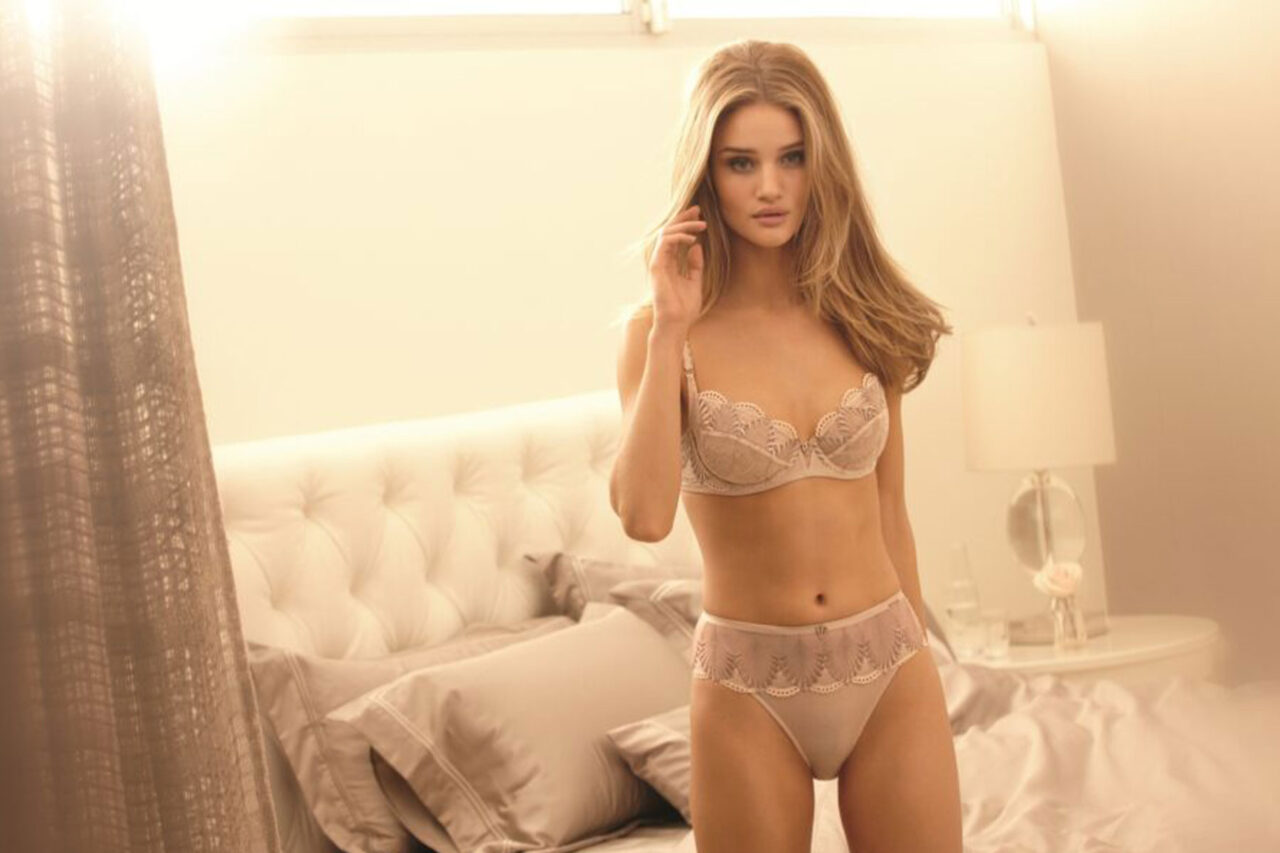
Rosie Huntington-Whiteley launched her first range of lingerie, showcasing French-designed lace, luxurious silks and soft feminine prints.
We celebrated 90 years of lingerie at M&S by redesigning the 1970s Scanlace bra. The bra was available in three colours, underwired and non-wired and with matching knickers.
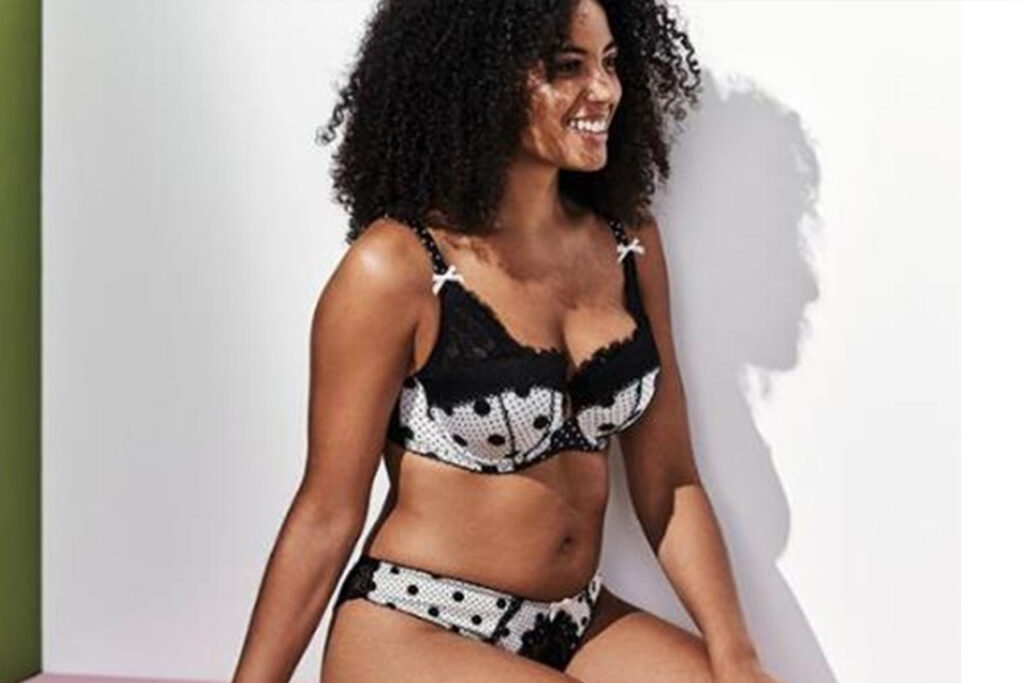
In October 2020 we launched Boutique. Soozie Jenkinson, Head of Lingerie Design said: ‘Boutique is an exciting new lingerie sub-brand, thoughtfully designed by our talented in-house design team. We’ve loved creating this brand which is designed to add a contemporary, playful and fun aesthetic to our lingerie collections.’
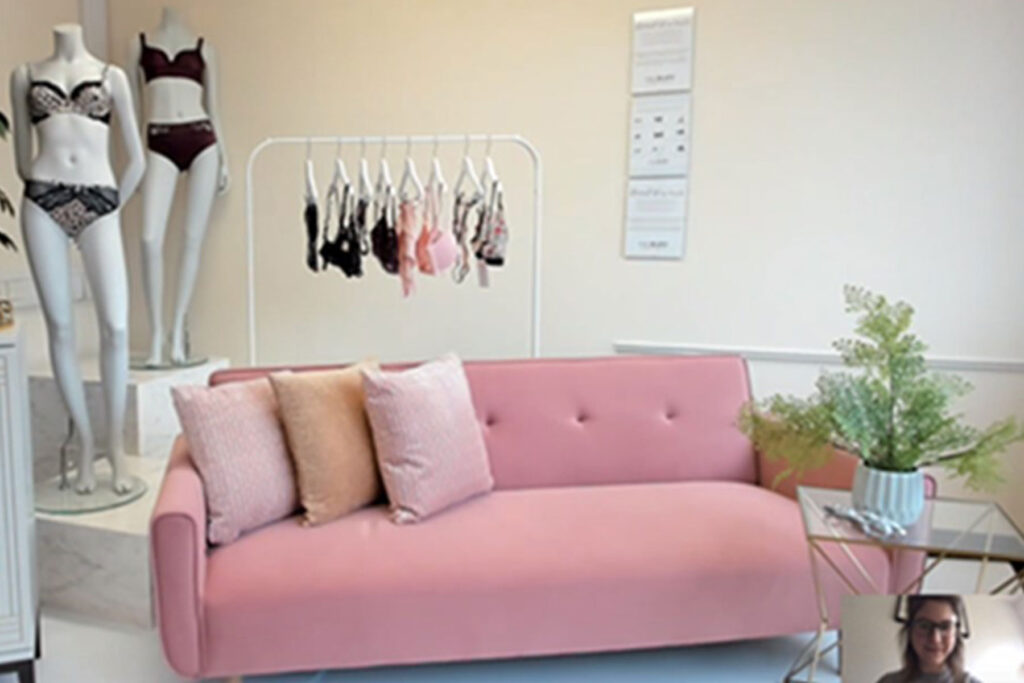
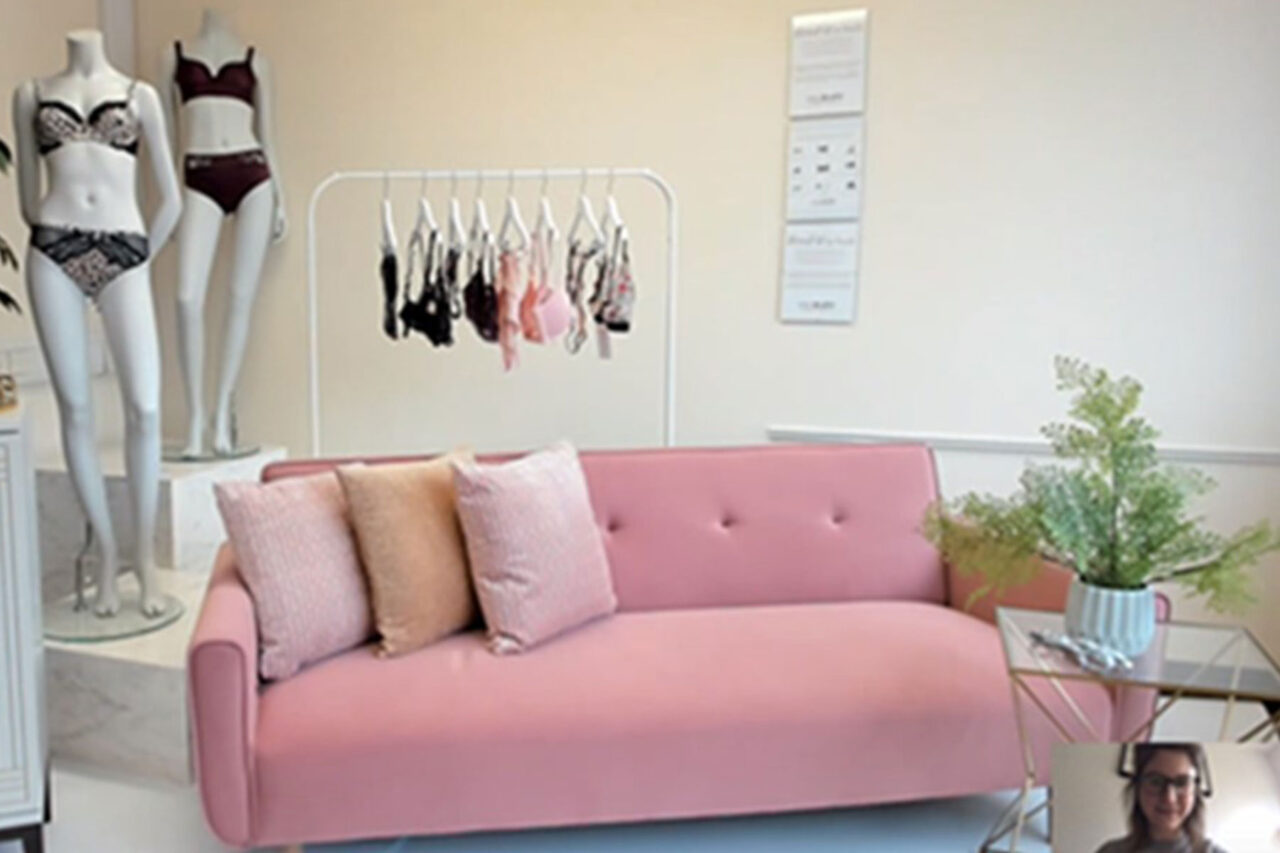
Following the restrictions put in place during the COVID-19 pandemic, in March 2021 we introduced remote bra-fitting. The virtual appointments with a bra fit expert followed the same instore process and cup size was assessed visually. Customers were then sent a follow-up email with links to suitable products and style tips.
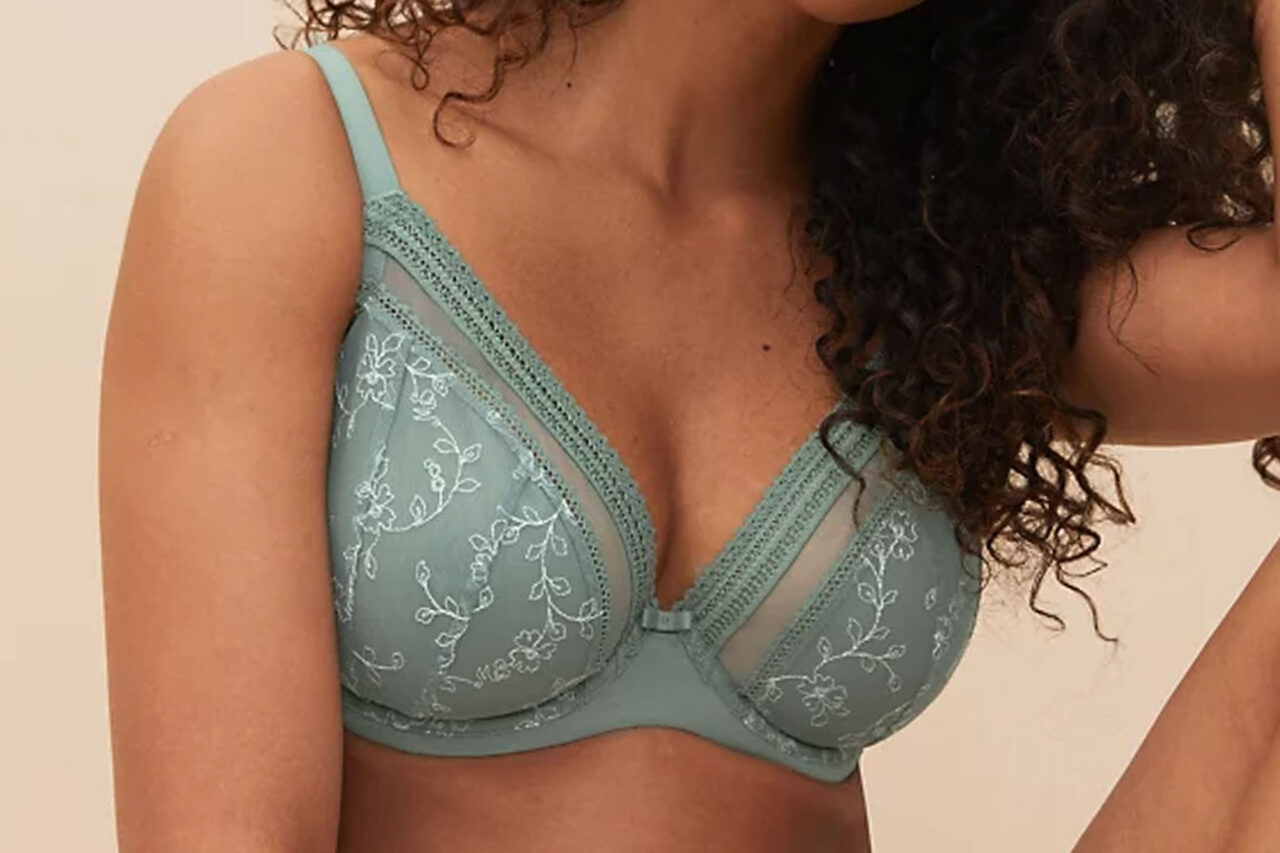
To mark 95 years of M&S lingerie, a special Archive Embroidery range was created. The embroidery designs were all inspired by items held in the M&S Archive.
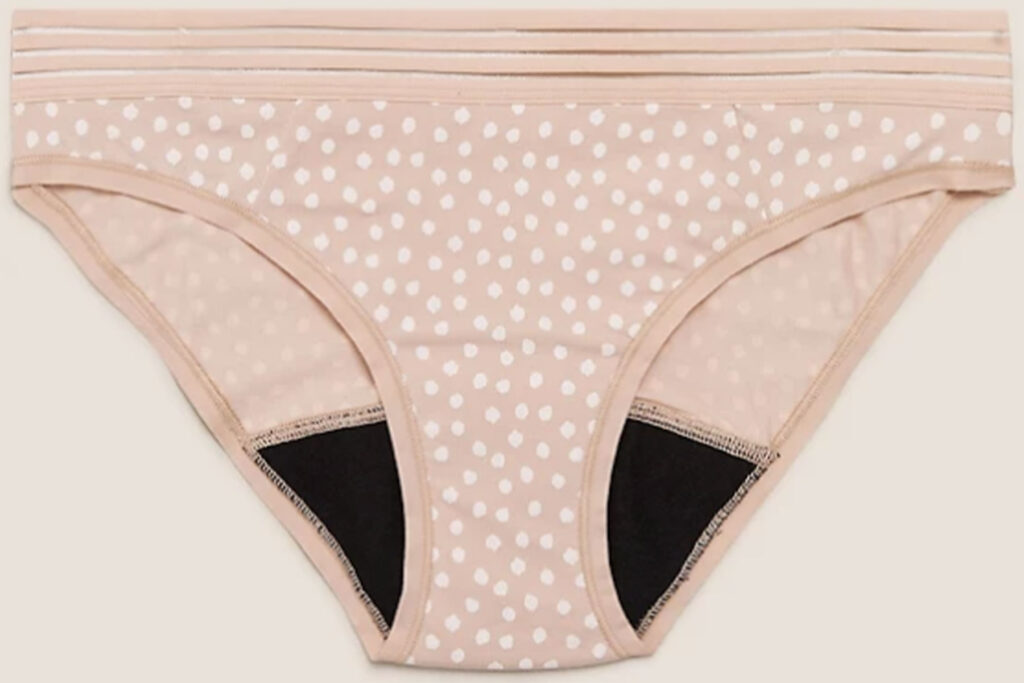
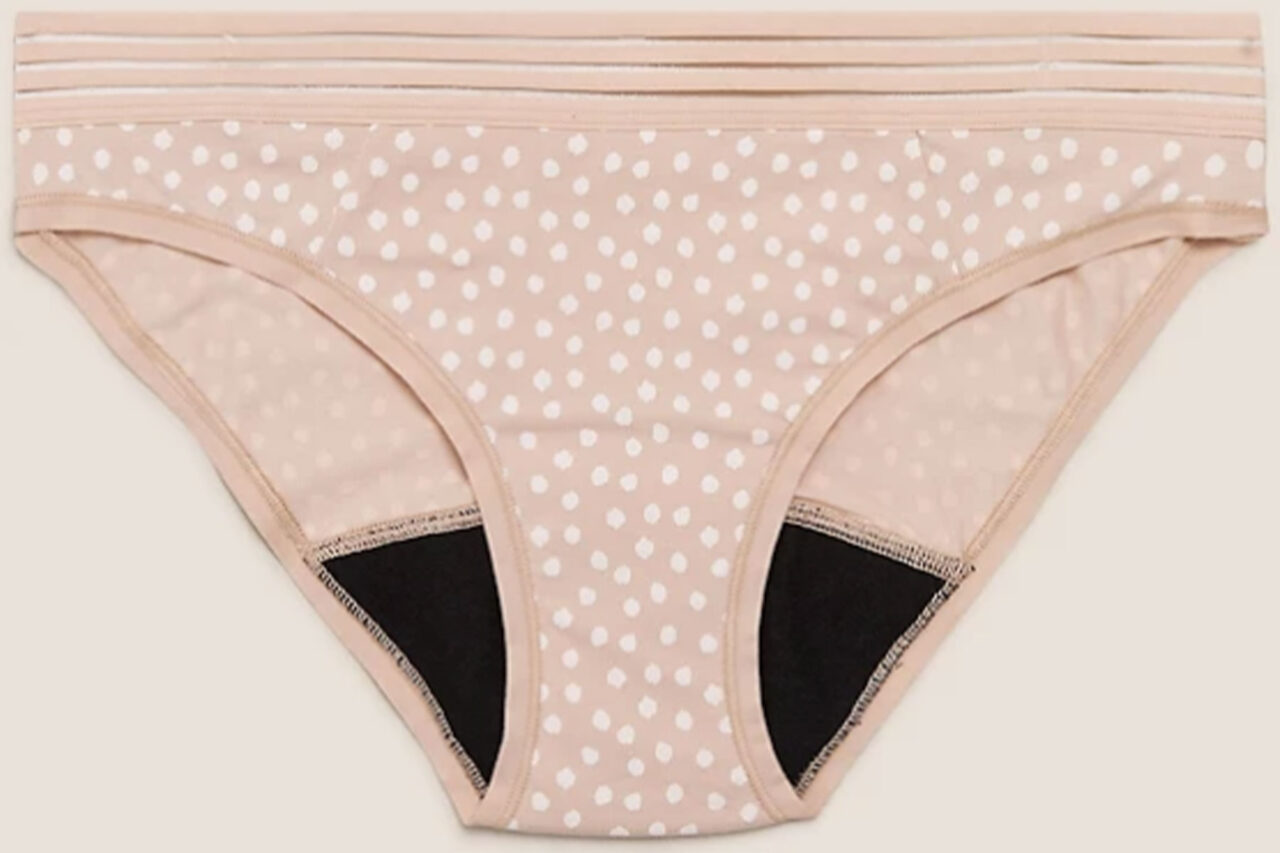
We launched period knickers. The three-layer gusset provides high absorbency and comfort.
To celebrate the 10th anniversary of her collections for M&S, Rosie Huntington-Whiteley reimagined our customers’ favourite pieces – resulting in ten designs in her most-loved shapes and styles.
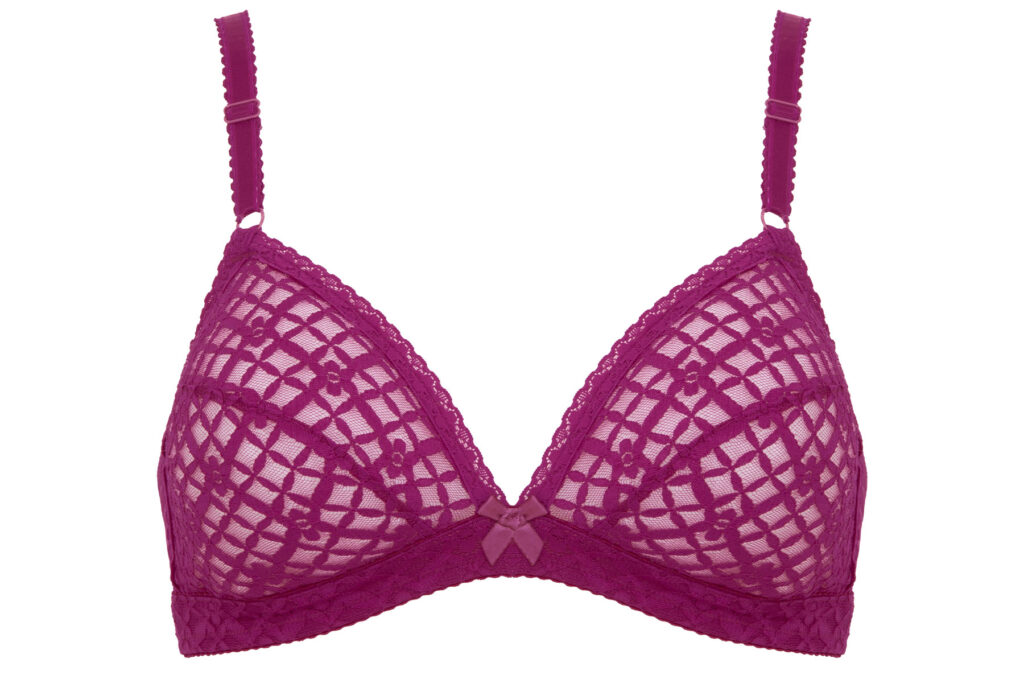
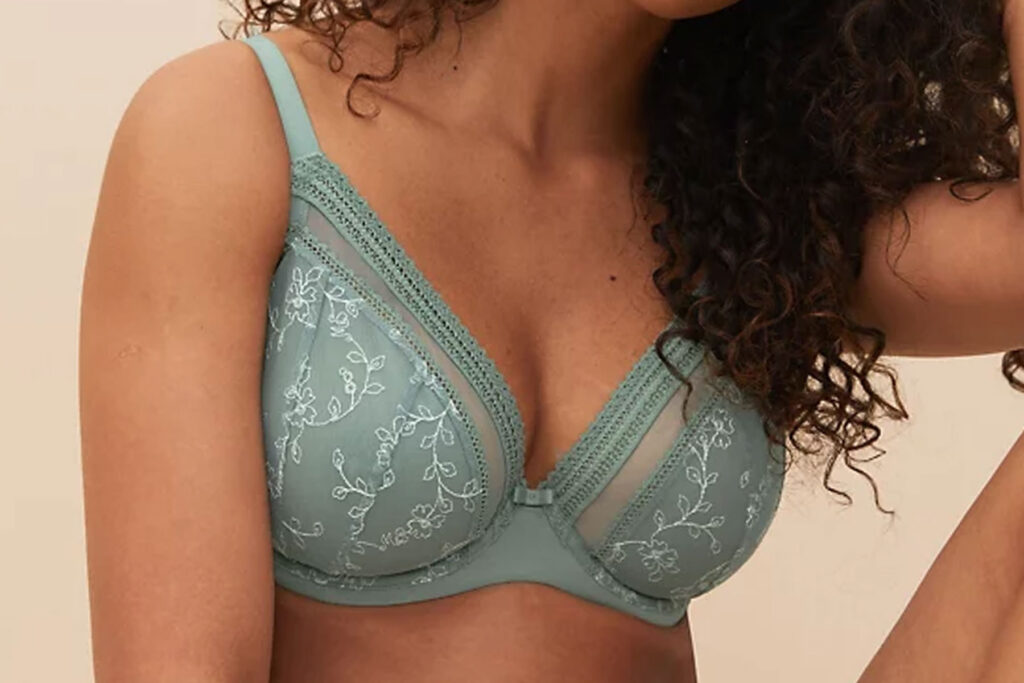
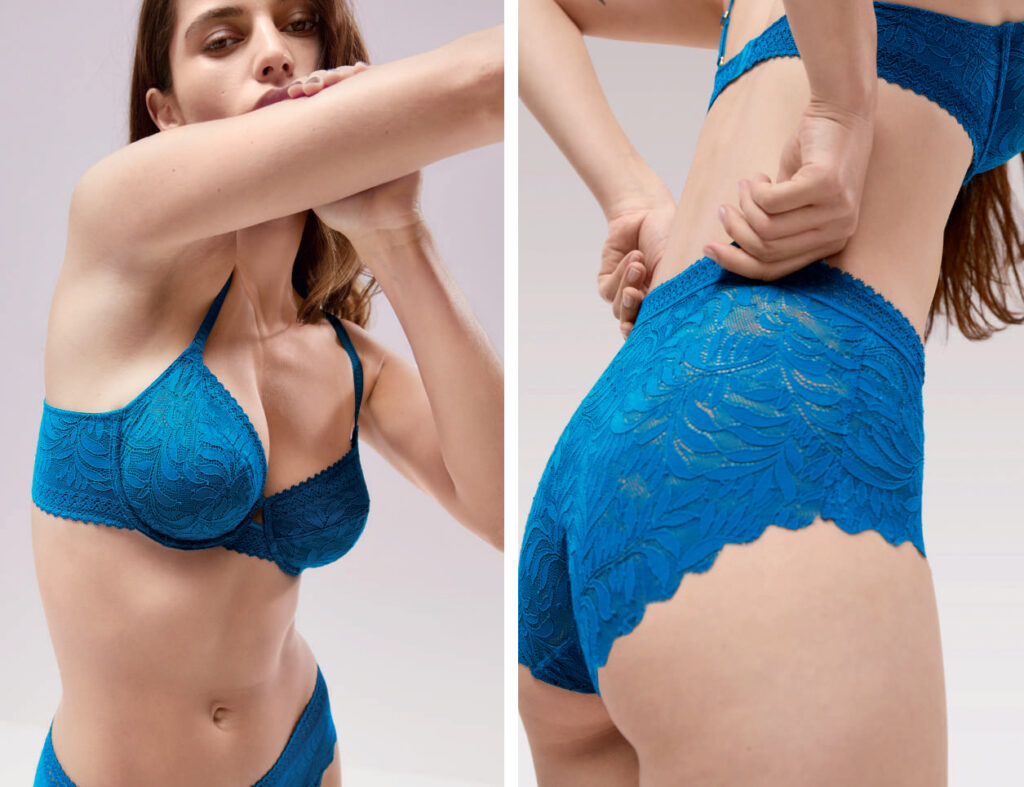
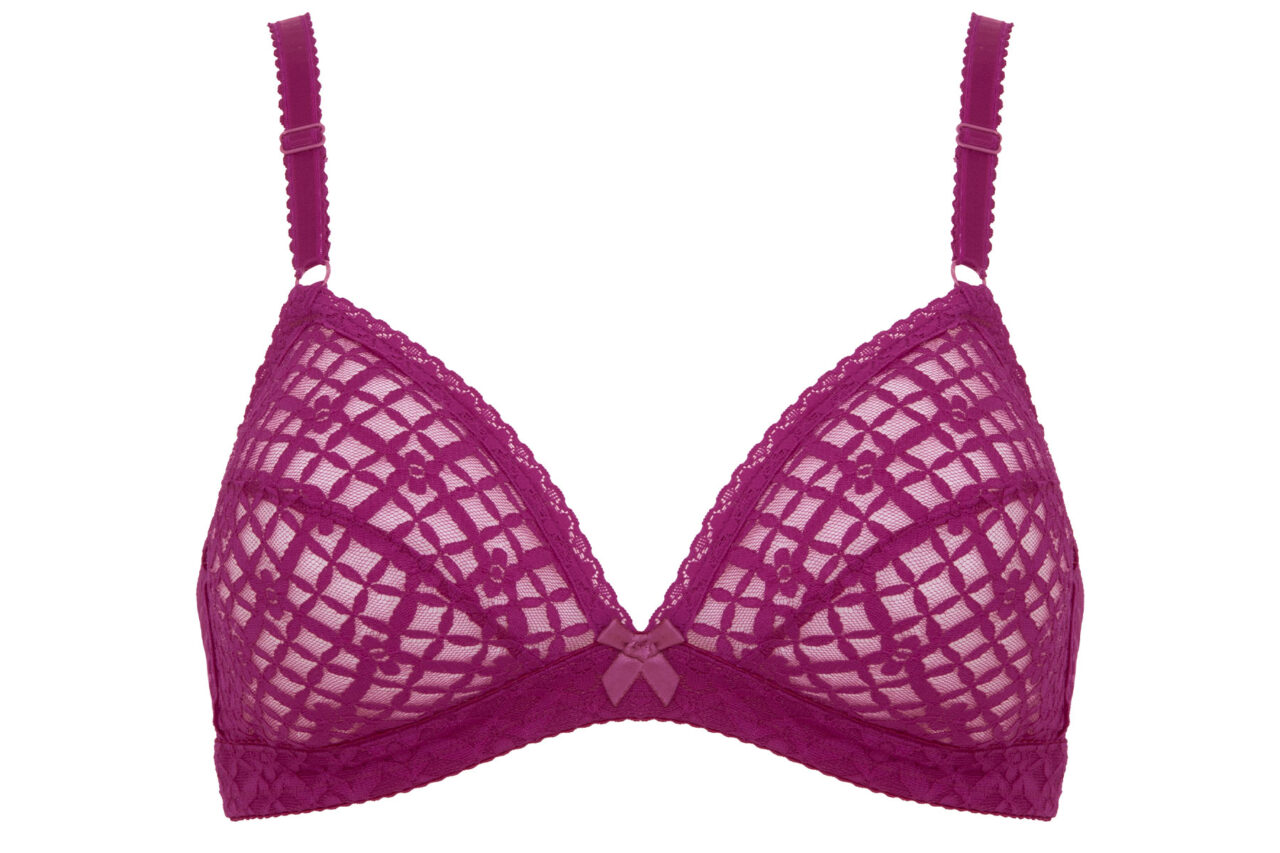
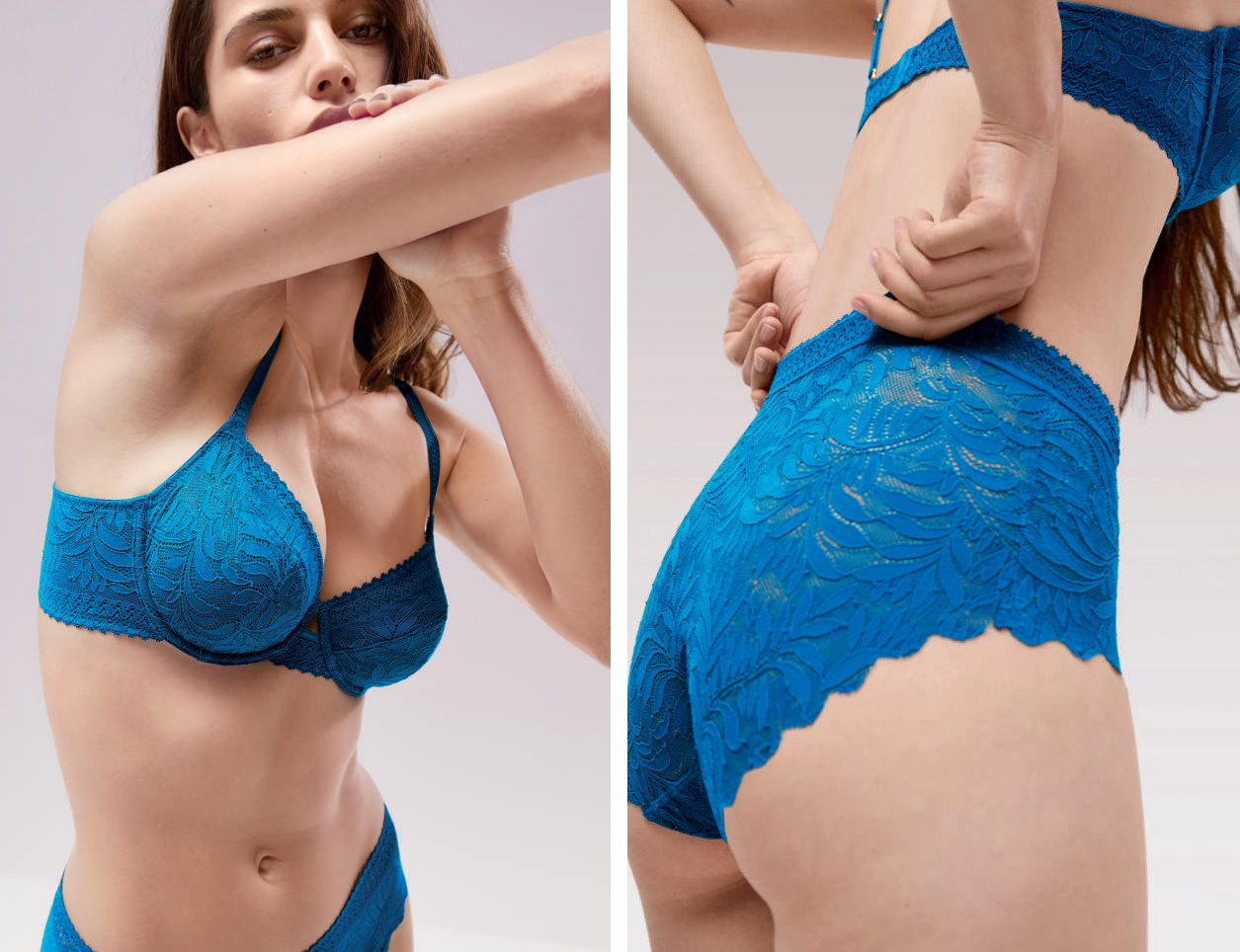
We launched the Flexifit™ lace range – modern, botanical inspired lace with Flexifit™ 360°stretch
technology. The fabric is sustainably sourced with no-VPL free-cut finishes, the technology is used in both bras and knickers.
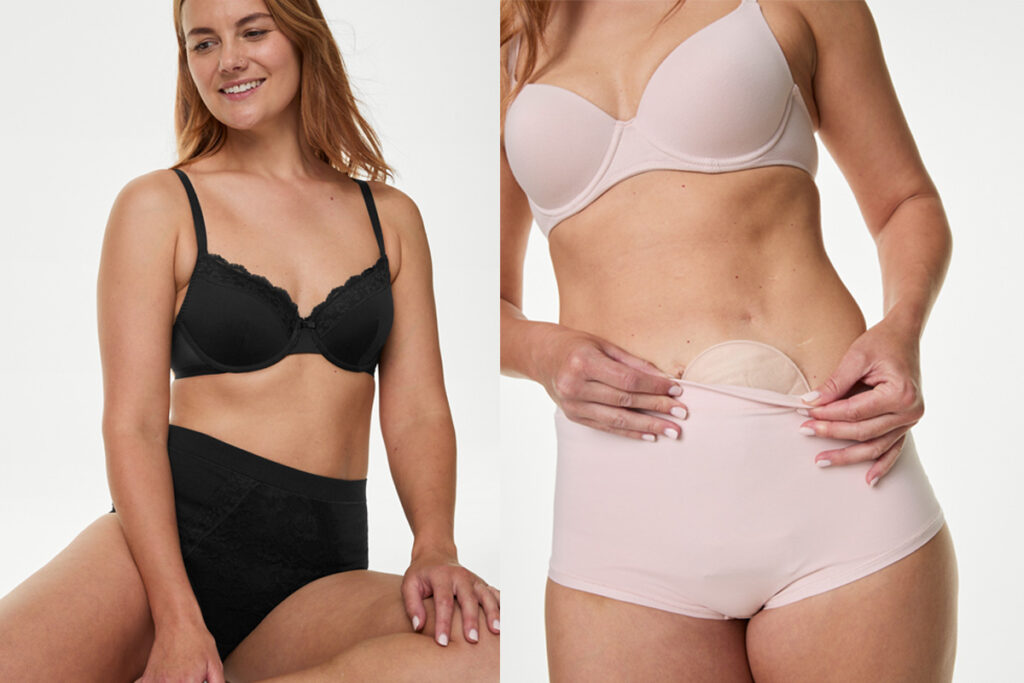
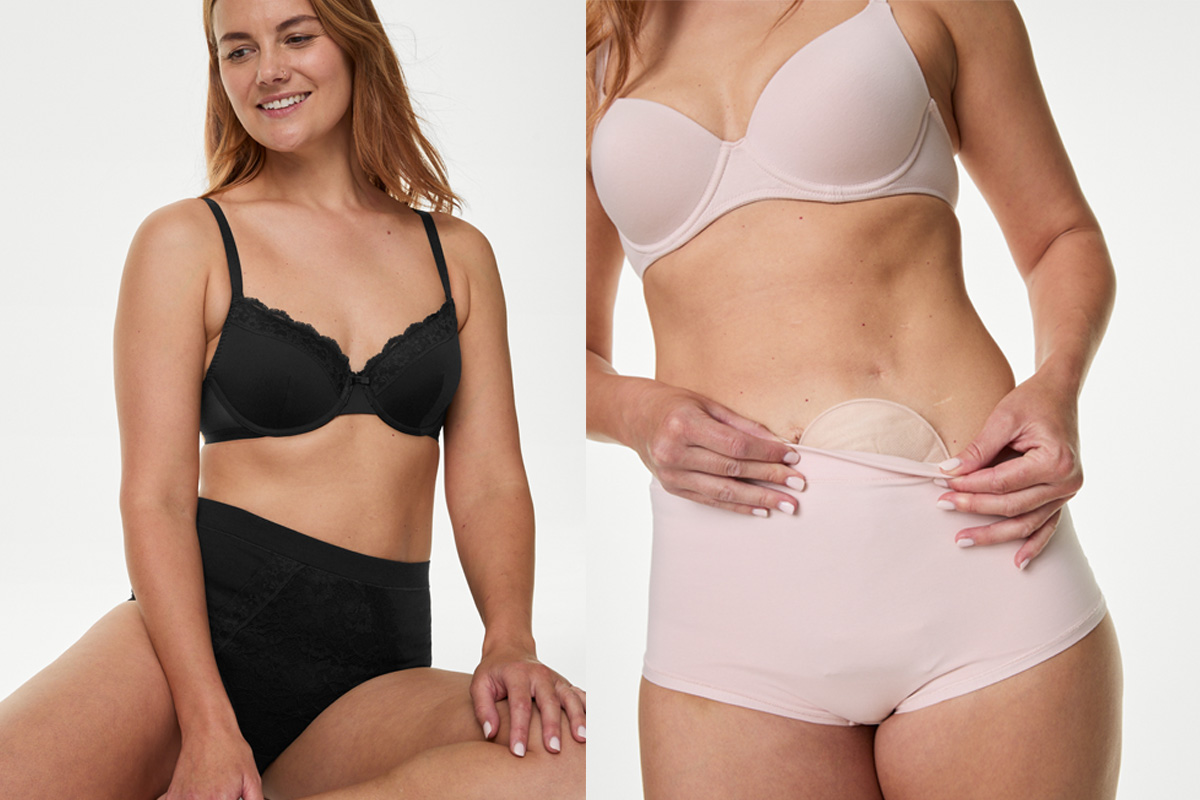
We became the first UK high street retailer to introduce stoma knickers to our lingerie collection. The knickers are designed with an internal pocket to support individuals living with a stoma.
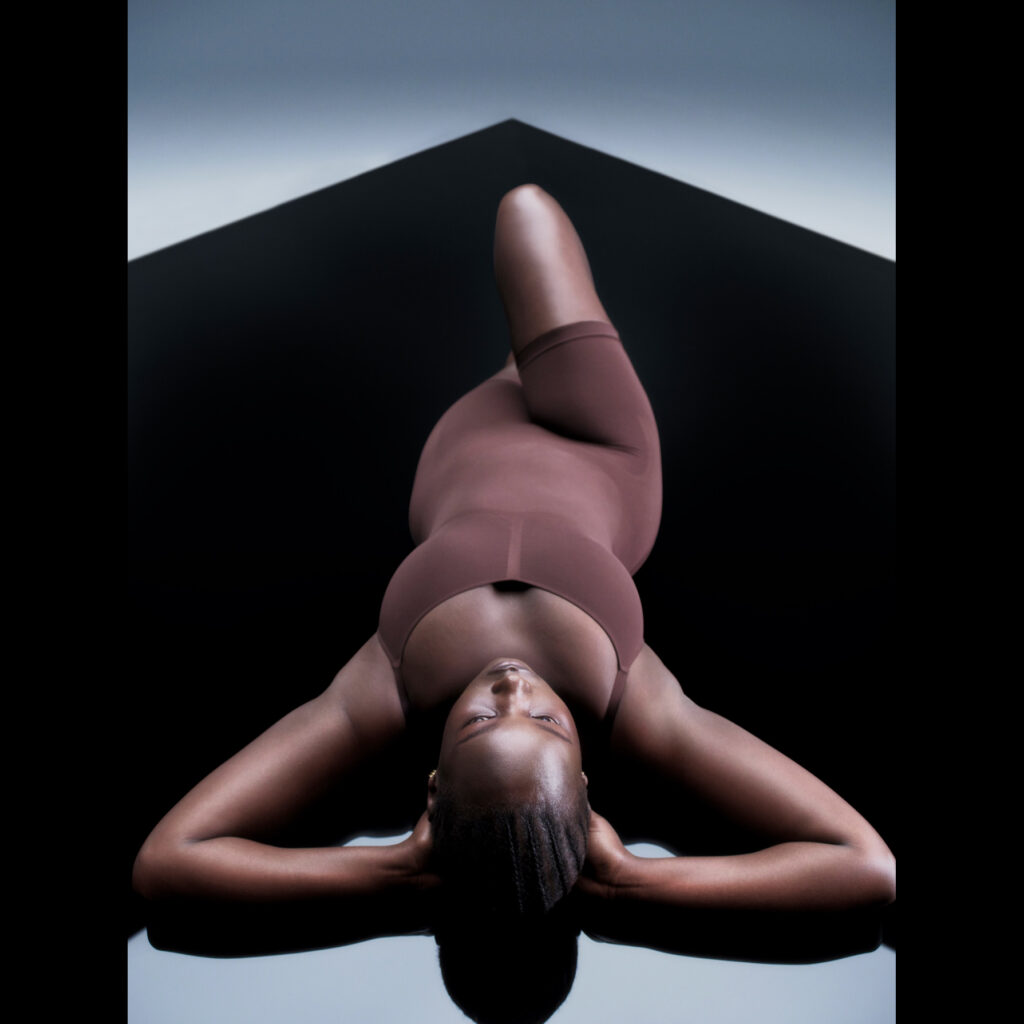
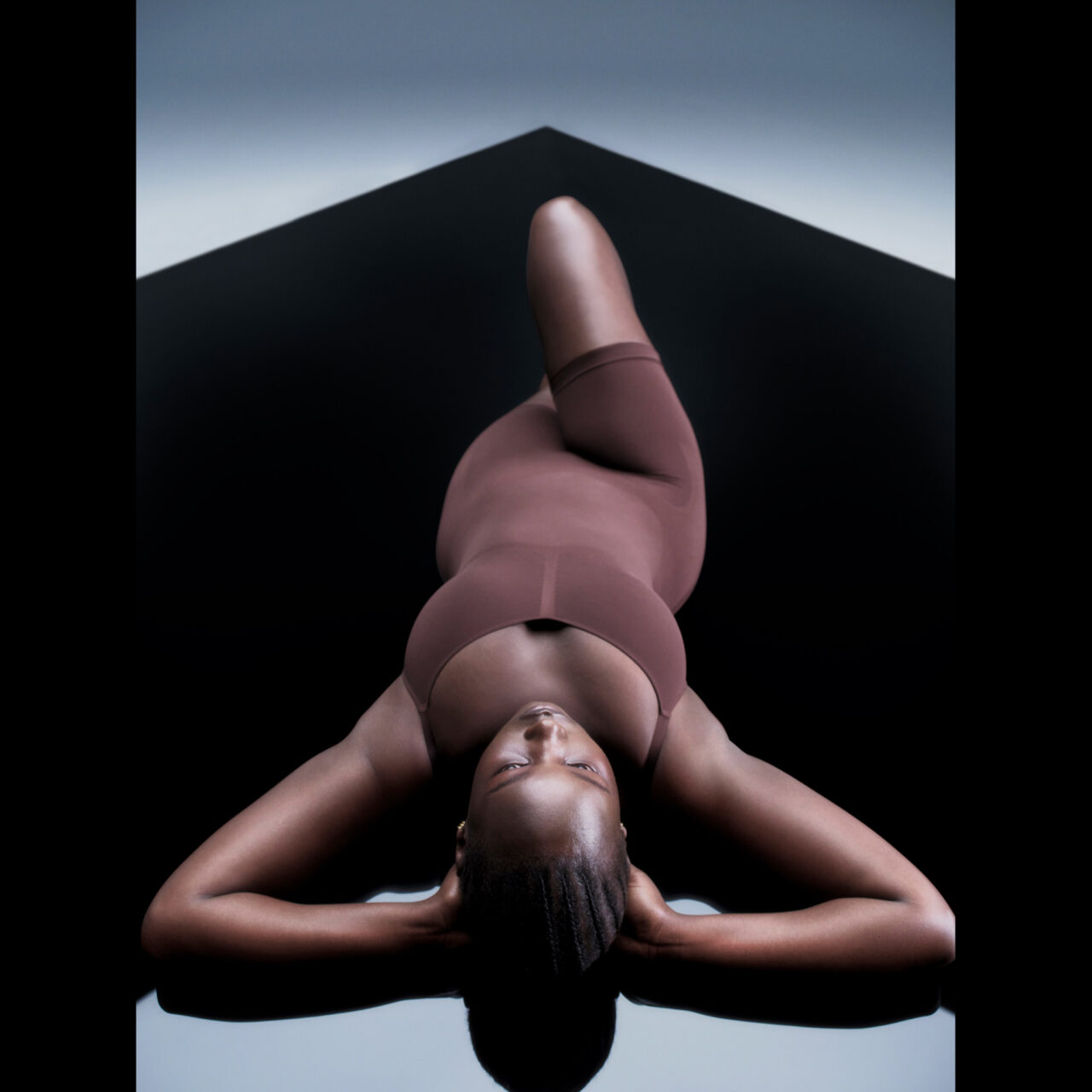
We launched Body – a 300 piece collection of bras, briefs, shapewear and essentials pairing a contemporary aesthetic with advanced fabric innovation and comfort first engineering.